SAEDNEWS: In this article, we review practical and preventive solutions suitable for Iran’s climate and architectural conditions, from insulation methods to emergency measures.
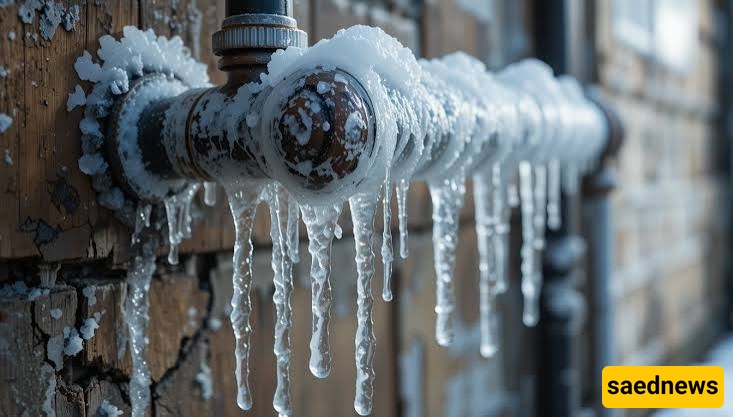
According to Saednews, Winter can be challenging in many cities across Iran, especially in colder regions such as Tabriz, Hamedan, Urmia, Karaj, and Ardabil. One of the most common problems during this season is frozen water pipes, which can lead to pipe bursts and costly property damage. This article explains practical preventive methods and solutions that are suitable for cold climates and typical residential buildings.
When temperatures drop below freezing, the water inside pipes begins to freeze. Since ice expands and occupies more space than liquid water, it creates strong pressure against the inner walls of the pipe. This pressure can eventually cause cracks or complete pipe bursts.
This problem is more common in:
Plastic pipes
PVC pipes
Older metal pipes
Pipes installed in exposed areas
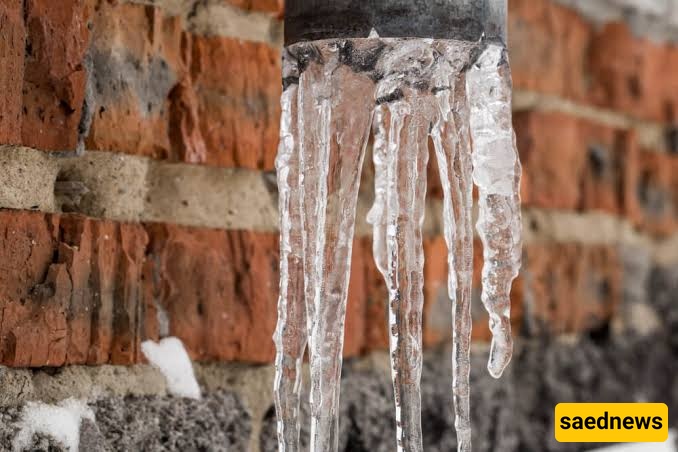
Several factors can increase the risk of pipes freezing:
Extremely cold weather in winter
Poor pipe insulation in older buildings
Use of pipes that are not resistant to freezing temperatures
Leaving homes empty during winter vacations
Exposure of outdoor pipes to cold air
Preventing Frozen and Burst Water Pipes in Winter
Pipe insulation is one of the most effective ways to protect plumbing systems.
Recommended steps:
Use special thermal pipe insulation materials to cover exposed pipes.
Insulate pipes located on balconies, rooftops, outdoor areas, basements, and parking spaces.
For pipes exposed to severe cold, consider using electric heating tape.
During very cold nights:
Leave a faucet slightly open so water flows slowly.
Continuous water movement reduces the chance of freezing.
Allow both hot and cold water lines to have a small flow if necessary.
To protect indoor plumbing:
Leave cabinet doors under sinks open so warm air can reach the pipes.
Keep the indoor temperature above 10°C (50°F), even when leaving the house for a trip.
Seal gaps around windows and doors to prevent cold air from entering.
Before freezing weather arrives:
Turn off outdoor water faucets completely.
Drain garden hoses and disconnect them.
Empty outdoor water tanks or external plumbing systems whenever possible.
If you notice that your water pipes have frozen:
Keep the main water valve accessible and reduce pressure in the system.
Slowly warm the frozen section using a hair dryer, warm towels, or an electric heating blanket.
Never use direct flames such as lighters, torches, or burners.
Contact a professional plumber if the problem continues.
Every household should know the location of its main water shut-off valve.
It is usually found:
Near the water meter in the yard or parking area
In the building’s utility room or mechanical room in apartments
Make sure all family members know how to close this valve in an emergency.
Frequently Asked Questions About Frozen Water Pipes
Coverage depends on the type of insurance policy. Many home insurance plans may cover some damage caused by burst pipes, but it is best to check the details with your insurance provider.
Common signs include:
Reduced water pressure or complete loss of water flow
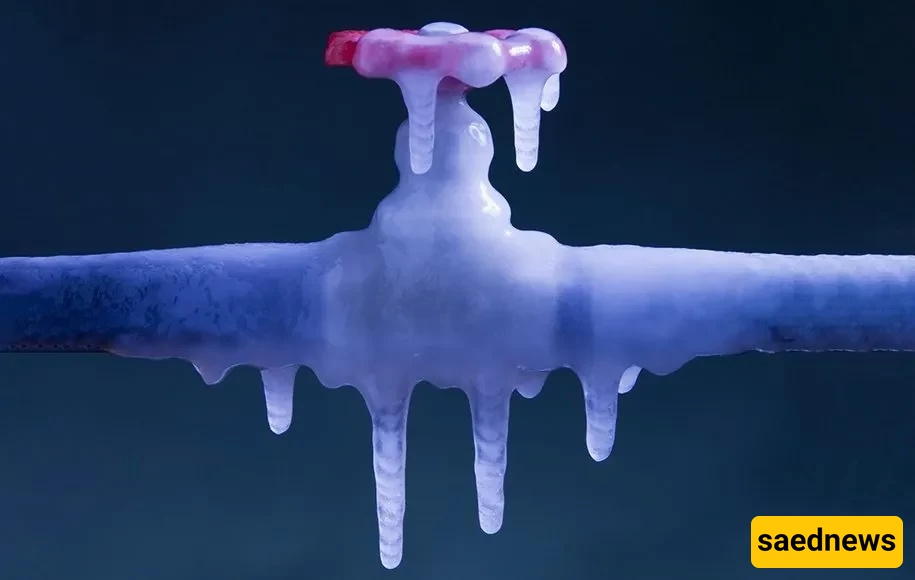
White or cloudy appearance of the pipe
Frost or ice buildup on the pipe surface
Unusual odors coming from faucets
Common options include:
Foam pipe insulation, widely available as pipe wrap
Fiberglass insulation for low-temperature environments
Electric heating cables for extremely cold regions
Preventing frozen water pipes requires preparation before winter begins. Proper insulation, maintaining water movement during freezing nights, and keeping indoor spaces warm can significantly reduce the risk of pipe damage.
Remember, prevention is always cheaper and easier than repairing burst pipes.
If you live in a cold climate, start applying these protective measures in early autumn to enjoy a winter without the worry of frozen or damaged plumbing. Share your experiences and methods for protecting water pipes during winter with others.