SAEDNEWS: Do you know the traditional nature of split peas and which foods can help balance it? Join us to find answers to your questions about this topic.
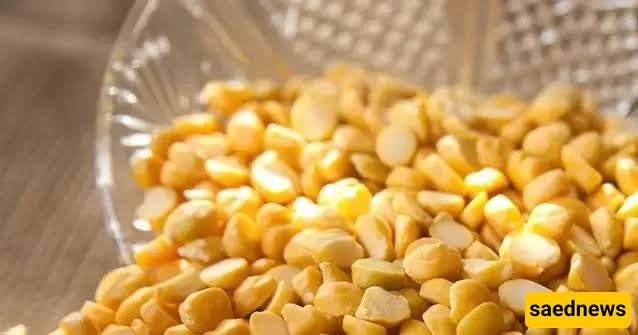
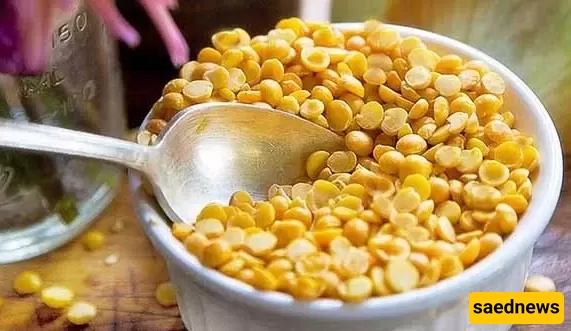
According to Saednews, Split peas are a popular legume in Iranian cuisine and are usually made from pigeon peas. To prepare split peas, pigeon peas are soaked in water, their skins are removed, and the seeds are then divided into two halves.
Potential benefits of split peas include helping regulate blood sugar, supporting digestive health, maintaining cardiovascular health, and helping prevent anemia.
Many people are interested in the traditional temperament of split peas. According to traditional medicine, split peas are considered warm and dry, making them more suitable for people with a cold temperament than for those with a warm temperament. People with a warm temperament are generally advised to consume them more cautiously.
Split peas are also traditionally considered warming and are believed to help strengthen physical and sexual vitality, particularly in men. For people who feel they have a cold temperament, consuming split peas may be considered helpful for balancing their temperament.
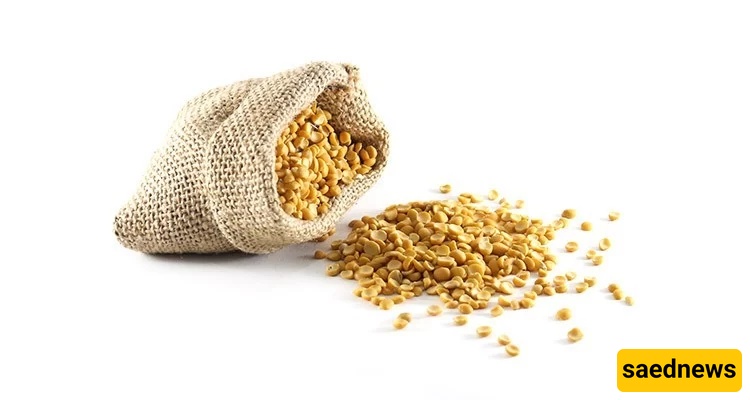
In traditional medicine, katira (tragacanth gum) is considered a corrective ingredient for split peas. Like other legumes, split peas may cause bloating and gas. Therefore, it is recommended to soak them for some time before cooking, discard the soaking water, and then use them in meals.
Approximately 21 grams of protein are found in every 100 grams of split peas, making them a valuable source of plant-based protein. They also contain essential amino acids such as methionine, lysine, and tryptophan, which play important roles in muscle repair and growth.
For example, methionine contributes to creatine synthesis, which helps provide muscles with the energy needed during high-intensity physical activity.
Split peas are also rich in essential micronutrients, including B vitamins. B vitamins such as folate (vitamin B9) and thiamine (vitamin B1) play key roles in energy metabolism and muscle function.
In addition, the iron found in split peas supports oxygen transport to the muscles, which may contribute to better endurance and athletic performance. For people aiming to build lean muscle mass, split peas can also be considered a relatively low-fat source of protein.
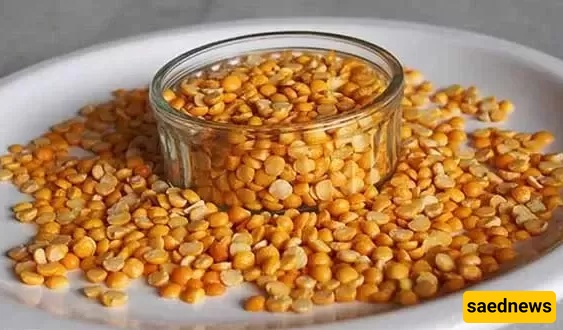
Split peas contain significant amounts of flavonoids and phenolic compounds. These antioxidants help neutralize free radicals, reduce oxidative stress, and may help slow the visible aging process of the skin.
They are also a good source of niacin (vitamin B3), which plays an important role in maintaining healthy skin. Niacin may help improve skin hydration, support the skin barrier, and reduce redness and skin discoloration.
There has not been extensive research specifically examining the effects of split peas on hair health. However, the nutrients they contain may offer potential benefits.
The protein in split peas helps support hair structure, vitamin C contributes to collagen production and healthy-looking hair, and B vitamins such as folate support follicle growth and regeneration.
If you are considering adding split peas to your diet specifically to support hair health, consulting a nutrition professional can help you make an appropriate dietary choice.
Potential benefits of consuming split peas for women include the following:
Consuming split peas during menstruation may help reduce menstrual cramps and discomfort.
Split peas are rich in folate, which is essential for fetal development and may help reduce the risk of neural tube defects in babies. They also contain calcium, which contributes to the development of the baby's bones.
Research on the effects of consuming split peas during breastfeeding is limited. However, their high nutritional value makes them a potentially beneficial food for breastfeeding mothers and their babies.
The protein in split peas supports tissue repair and helps maintain energy levels in breastfeeding mothers. Essential minerals such as calcium and iron may also support the health of both mother and baby.
Nevertheless, pregnant and breastfeeding women should consult a qualified healthcare professional before making significant dietary changes.
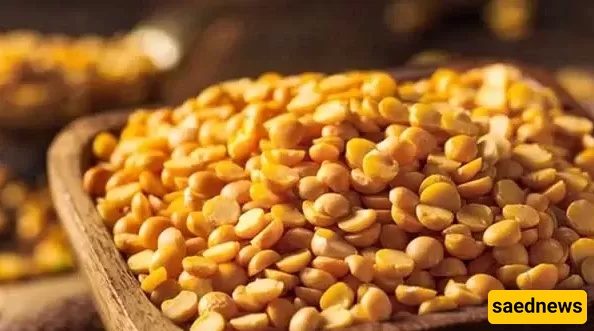
Split peas are rich in protein, fiber, and important minerals such as magnesium, phosphorus, calcium, and potassium. These nutrients may contribute to reproductive and overall health.
The protein and essential amino acids found in split peas, including methionine, lysine, and tryptophan, are involved in hormone production and immune function.
Folate is also important for DNA synthesis and sperm production. However, the effects of dietary intake can vary from person to person, so consultation with a nutrition professional is recommended for individualized advice.
Potential benefits of including split peas in a child's diet include:
Supporting muscle and tissue growth
Promoting digestive health
Helping prevent constipation
Supporting the prevention of iron-deficiency anemia
Supporting healthy bone development
Helping maintain healthy blood pressure
Supporting the immune system
Providing energy
There is currently limited scientific research specifically examining the benefits of split peas for kidney health. However, their nutritional composition may indirectly support overall kidney function.
Split peas are naturally low in fat and contain no cholesterol. By supporting cardiovascular health, they may indirectly contribute to maintaining healthy kidney function.
They are also a source of potassium, a mineral involved in fluid balance and blood pressure regulation. In addition, antioxidants found in legumes may help reduce oxidative stress and inflammation, potentially supporting overall kidney health.