SAEDNEWS: One of the healthiest dishes in the world, vegetable pie combines fresh vegetables with a crisp crust to create a complete, nutritious, and light meal for the whole family.

According to Saednews, Vegetable pie is one of the most delicious and versatile ways to enjoy a variety of fresh vegetables in one satisfying dish. With a crisp, buttery crust and a flavorful vegetable filling, it can make a complete, nourishing, and relatively light meal for the whole family.
This tasty dish is not only a wonderful choice for vegetarians but also for anyone looking to add more variety to their everyday meals. One of the best things about vegetable pie is its flexibility. You can use fresh or frozen vegetables depending on the season and easily adjust the ingredients to suit your taste.
If you are looking for a reliable step-by-step recipe for making a vegetable pie with a crisp crust, rich aroma, colorful vegetables, and a deliciously creamy filling, this guide will show you exactly how to prepare it at home.
From preparing the pastry to cooking the filling and baking the finished pie, every step is explained below along with useful tips for achieving the best texture and flavor.
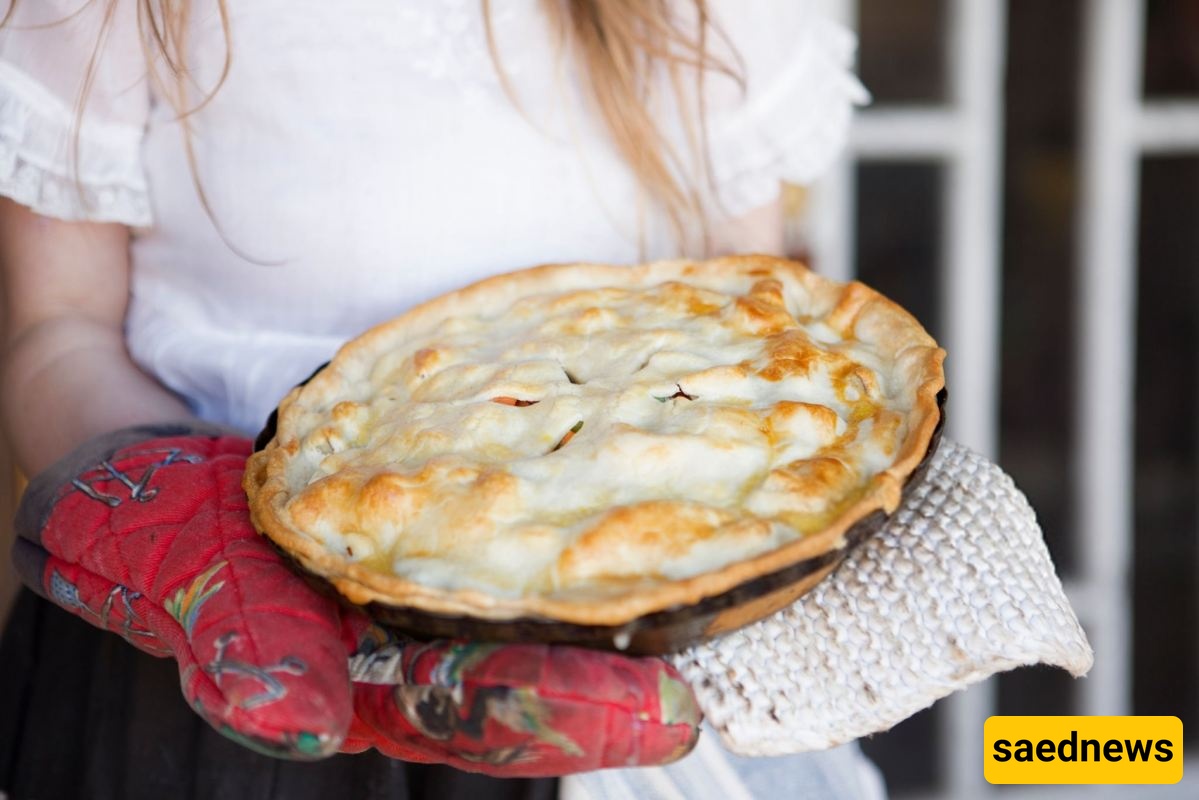
Before you begin, prepare all the ingredients. Having everything ready will make the cooking process easier and more enjoyable.
The ingredients are divided into two main parts: the pastry crust and the vegetable filling.
2 cups all-purpose flour with a high gluten content (about 250 g)
150 g cold butter, cut into small pieces
5–6 tablespoons ice water
1 egg yolk
½ teaspoon salt
½ teaspoon white vinegar or lemon juice
1 medium zucchini, chopped
1 large carrot, chopped
1 bell pepper, chopped
200 g mushrooms, sliced
1 large onion, chopped
2 cloves garlic, grated or finely minced
200 g fresh or frozen spinach
150 g shredded mozzarella or pizza cheese
200 ml heavy cream or béchamel sauce
2 eggs
Salt, black pepper, thyme, and paprika, to taste
2 tablespoons olive oil

The crust should be crisp and tender, similar to a classic shortcrust pastry. Its texture plays an important role in the final quality of the vegetable pie.
Sift the flour and salt together into a large bowl. Sifting helps create a lighter, more even pastry.
Add the cold, chopped butter to the flour mixture. Using your fingertips or a food processor, work the butter into the flour until the mixture resembles coarse breadcrumbs.
Be careful not to let the butter melt. Keeping the butter cold is one of the most important secrets to achieving a crisp pastry crust.
Add the egg yolk, vinegar, and ice water. Add the water gradually, mixing gently with your hands or a spatula until the dough begins to come together.
Use only enough water to form a smooth dough that does not stick to your hands. Avoid overmixing, as this can make the crust tough.
Shape the dough into a smooth ball, wrap it in plastic wrap, and refrigerate for at least 30 minutes.
Resting the dough allows the gluten to relax, making it easier to roll out without tearing.

While the dough is chilling, prepare the vegetable filling.
Heat the olive oil in a large pan. Add the onion and garlic and sauté until fragrant and lightly golden.
Add the carrot and bell pepper and cook for about 5 minutes. Then add the zucchini and mushrooms.
Continue cooking until the excess moisture from the vegetables has evaporated and the vegetables have softened slightly. Removing excess moisture is important because it prevents the finished pie from becoming soggy.
Add the spinach toward the end and stir until it wilts completely.
If you are using frozen spinach, squeeze out as much excess water as possible before adding it to the pan.
Season with salt, black pepper, thyme, and paprika. Remove the pan from the heat and allow the vegetables to cool completely.
In a separate bowl, whisk the eggs and cream until smooth.
If you prefer a thicker and creamier filling, you can replace the cream with a light béchamel sauce.
Once the vegetables have cooled, add the egg-and-cream mixture and stir well. Finally, add the shredded cheese and combine everything evenly.
Now it is time to assemble and bake the pie.
Preheat the oven to 180°C (350°F).
Lightly grease a 24-cm round pie dish or a rectangular baking dish. You can also line the bottom with parchment paper for easier removal.
Remove the chilled dough from the refrigerator. Lightly flour your work surface and roll the dough out until it is slightly larger than your baking dish.
The dough should be approximately ½ cm thick.
Carefully transfer the dough to the dish and gently press it against the bottom and sides. Trim away any excess dough around the edges.
Prick the bottom of the crust several times with a fork to prevent it from puffing up during baking.
Place a sheet of parchment paper over the dough and fill it with baking weights or dried beans or chickpeas.

Bake for approximately 15 minutes.
Blind-baking helps the bottom of the crust remain crisp even after the moist filling is added.
Remove the parchment paper and baking weights.
Pour the prepared vegetable filling evenly into the partially baked crust. Smooth the surface with the back of a spoon.
If desired, sprinkle a small amount of sesame seeds or chia seeds over the top for extra texture and visual appeal.
Return the pie to the oven and bake for approximately 30–40 minutes.
The pie is ready when the filling has set and the surface is golden brown.
A simple way to check for doneness is to insert a knife into the center. If it comes out mostly clean, the pie is ready.
Remove the pie from the oven and allow it to rest for about 10 minutes before slicing. This gives the filling time to firm up and makes the pie easier to cut.
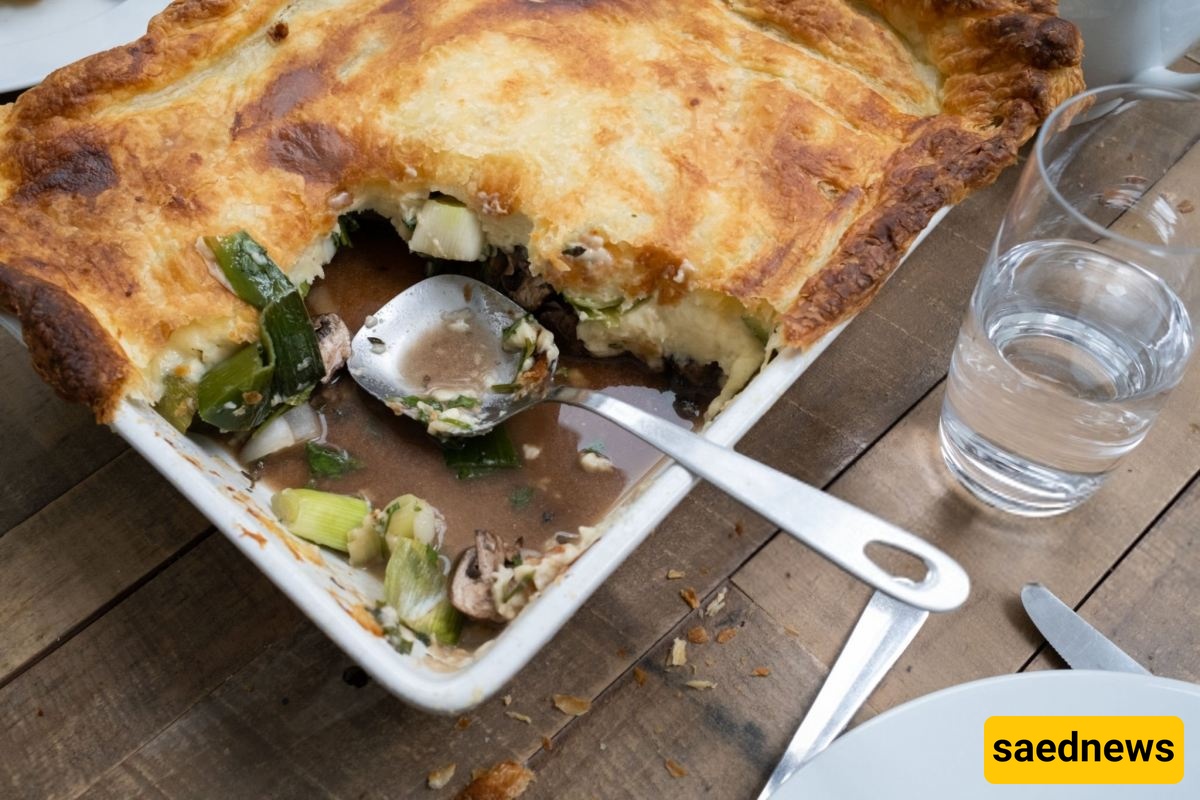
The vegetables only need to become slightly tender during sautéing. They will continue cooking in the oven, so overcooking them beforehand can make them soft and mushy.
Vegetables such as mushrooms and zucchini contain a lot of water. Make sure you cook off their excess moisture before adding them to the filling.
A watery filling can make the pastry soggy and heavy.
Don't be afraid to season the vegetables properly. Thyme, mint, paprika, and black pepper can complement the vegetables beautifully and give the filling a richer flavor.
For a heartier meal, you can add cooked chicken pieces or additional mushrooms to the filling.
If keeping the recipe vegetarian, you can also experiment with ingredients such as chickpeas, beans, or extra cheese.
If you are short on time or don't want to make homemade pastry, puff pastry can be used instead.
Another simple alternative is to press slices of bread into the baking dish to create a quick crust. The result will have a different texture but can still be delicious.
Vegetable pie is delicious when served warm alongside a fresh green salad. It can also be enjoyed at room temperature, making it a convenient option for breakfast, lunch, dinner, or a light snack.
Leftover slices can be stored in the refrigerator and reheated the following day. You can also enjoy them cold if you prefer.

Making a delicious vegetable pie at home is easier than it may seem. A combination of crisp pastry, colorful vegetables, creamy filling, and melted cheese creates a comforting dish that is both satisfying and versatile.
The key to getting the best results is paying attention to the small details. Keep the butter cold when preparing the pastry, avoid adding excess water from the vegetables, and allow the filling to cool before combining it with the eggs and cream.
Vegetable pie is also an excellent way to use seasonal vegetables and customize a recipe according to what you already have in the kitchen.
With a golden crust, colorful filling, inviting aroma, and rich texture, this homemade vegetable pie can easily become a favorite family meal.