SAEDNEWS: Bitterness in melons is a common problem during the summer season, mainly caused by the accumulation of cucurbitacin compounds in the fruit. Several factors can contribute to this condition, including environmental stress, irregular irrigation, diseases, and improper nutrition.
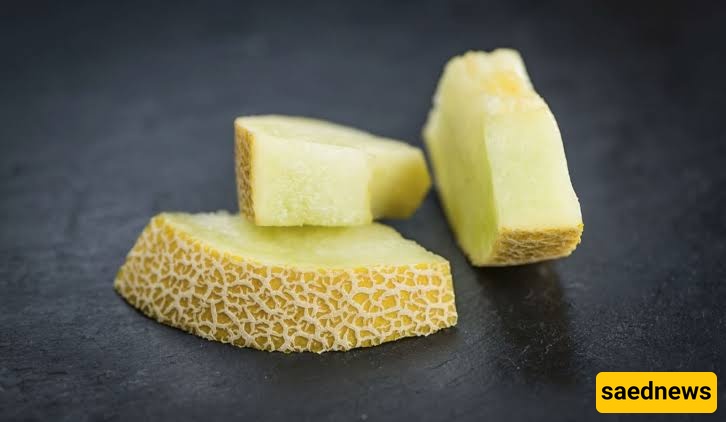
According to Saednews, Bitterness in melon fruit is usually caused by the accumulation of specific chemical compounds known as cucurbitacins. These compounds naturally occur in plants belonging to the cucurbit family, including squash, cucumber, watermelon, and melon, and are responsible for their bitter taste.
Under normal conditions, the level of these compounds in sweet melons remains very low. However, several factors can cause a sudden and significant increase in cucurbitacin levels. Below are the most important factors that contribute to bitterness in melons.
Melon plants require balanced environmental conditions to produce sweet fruit. Any form of stress, such as extreme heat, unexpected cold, or significant temperature fluctuations, can trigger a defensive response in the plant.
When exposed to these stresses, the plant may produce bitter and potentially toxic compounds such as cucurbitacins to protect itself against pests and unfavorable conditions.
Temperatures above 40°C, especially during fruit ripening, place considerable stress on the plant and can greatly increase the likelihood of bitter fruit. Similarly, sudden temperature drops early in the season or cold nighttime temperatures can damage plant cells and stimulate the production of these compounds.
Water is one of the most important factors determining melon quality. Both excessive irrigation and insufficient irrigation can be harmful.
Drought stress is considered one of the major causes of bitterness in melons. If the plant experiences water shortages during fruit development and is then suddenly irrigated, its physiological processes may be disrupted, potentially increasing cucurbitacin production.
Long intervals between irrigation and watering during the hottest hours of the day can also create water stress. On the other hand, excessive irrigation can reduce oxygen availability around the roots and interfere with nutrient uptake, ultimately disrupting the fruit's flavor balance.
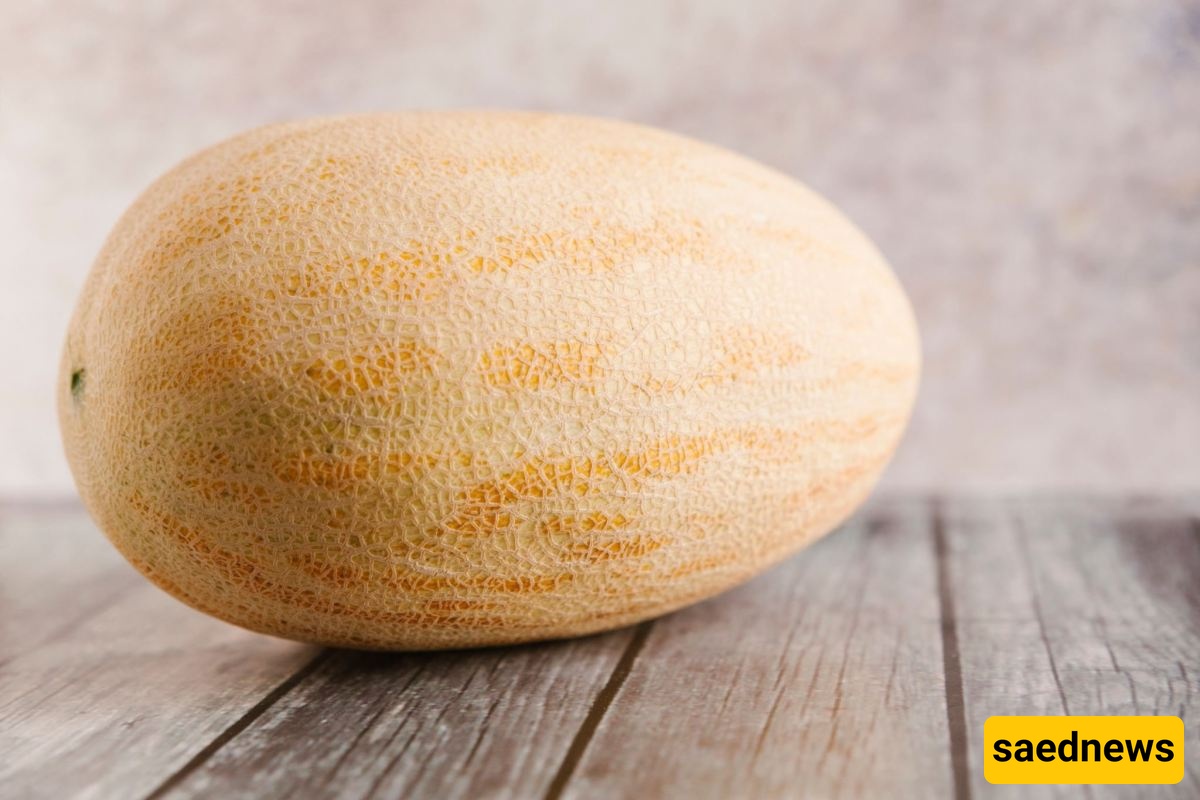
Plant diseases can play an important role in causing bitter melons. Viruses such as Cucumber Mosaic Virus (CMV) and Tomato Spotted Wilt Virus (TSWV) can disrupt the plant's metabolism and stimulate the accumulation of defensive compounds, including cucurbitacins.
Fungal diseases such as Fusarium wilt and powdery mildew can also interfere with the movement of water and nutrients through the plant, creating internal stress.
These pathogens are often spread by aphids, thrips, and other insect vectors. As a result, fields with poor pest management may experience a higher incidence of bitter fruit.
The final quality of melon fruit depends heavily on balanced plant nutrition.
Excessive use of nitrogen fertilizers, particularly late in the growing season, promotes vegetative growth but does not necessarily improve fruit sweetness. Instead, it may contribute to the accumulation of nitrogenous compounds and undesirable flavors in the fruit.
Potassium deficiency is another important factor because potassium plays a key role in transporting sugars and starches to the fruit and improving sweetness.
Deficiencies of micronutrients such as magnesium, boron, and zinc can also interfere with photosynthesis and significantly affect fruit flavor and quality.
To prevent nutritional problems, soil testing should be carried out and fertilizer applications should be based on the plant's actual nutritional requirements.
Bitterness in melon can also have a genetic basis.
Wild melon plants and certain local varieties may carry genes associated with cucurbitacin production. In some cases, the use of low-quality hybrid or improved seeds may increase the likelihood of producing bitter fruit.
Cross-pollination with other cucurbit plants that contain high levels of cucurbitacins can also potentially contribute to undesirable genetic traits in subsequent generations.
Therefore, selecting high-quality seeds, maintaining healthy parent plants, and observing appropriate separation from other cucurbit crops are important preventive measures.
Harvesting too early is a common cause of bitter or bland melon.
A melon that has not reached full maturity contains less sugar, while its cucurbitacin levels may not yet have declined sufficiently. As a result, harvesting prematurely can produce fruit with a sharp, astringent, or bitter flavor.
On the other hand, harvesting too late can lead to sugar fermentation, increased acidity, and unpleasant flavors.
Growers should learn to recognize signs of maturity, such as changes in skin color, easy separation of the fruit from the stem, and the development of a pleasant aroma, which indicate that the fruit has reached an appropriate stage of maturity.
Although bitterness often develops before harvest, certain post-harvest conditions can intensify undesirable flavors.
Prolonged storage at unsuitable temperatures, particularly below 5°C or above 25°C, can interfere with cellular processes and may contribute to changes in flavor.
Physical damage, such as bruising and impact injuries, can also stimulate ethylene production and secondary defense responses that may affect the fruit's taste.
In addition, prolonged exposure to direct sunlight after harvest can negatively affect fruit quality.
Improper or excessive use of herbicides, insecticides, and plant growth regulators can negatively affect plant physiology.
Some chemicals may alter secondary metabolism and potentially stimulate excessive cucurbitacin production in the fruit.
Foliar applications late in fruit development, as well as inappropriate fertilizer use under saline conditions, may also disrupt the plant's ionic balance and negatively affect fruit flavor.
Therefore, proper chemical management and the use of approved products at appropriate rates are essential.
How to Prevent Bitterness in Melons
Preventing bitterness is generally easier than trying to correct it after it occurs. By following good agricultural practices, growers can significantly reduce the risk of bitter fruit.
Always obtain seeds from reputable suppliers and choose certified, healthy seed.
Select varieties with good disease resistance and strong genetic potential for sweetness. In hot regions, heat-tolerant varieties should be preferred, including well-known Iranian types such as Mashhadi melon and Ivanki melon.
Drip or seepage irrigation systems are among the best options for preventing water stress in melon plants.
Irrigation should be regular and preferably carried out during the cooler parts of the day. Soil moisture should be maintained at an appropriate level throughout fruit development.
During the fruit-filling stage, even a single significant episode of water stress can negatively affect fruit quality. After harvesting, irrigation should gradually be reduced to improve storage quality.
Crop rotation is an important preventive measure. A rotation period of at least 3–4 years is recommended, and melons should not repeatedly be planted in fields where cucurbits such as squash or cucumber have previously been grown.
To control aphids and thrips, growers can use protective insect netting, reflective plastic mulch, and yellow sticky traps.
When disease occurs, an approved fungicide should be applied when appropriate, and severely infected plants should be removed and destroyed to prevent the disease from spreading.
Soil sampling and laboratory testing should be carried out before planting.
Fertilization programs should provide sufficient potassium, including suitable potassium fertilizers such as potassium sulfate, to support fruit quality and sweetness.
Nitrogen fertilizer should be applied carefully and in split applications according to crop requirements rather than excessively late in the growing season.
Foliar applications of nutrients such as zinc, boron, and magnesium may also be beneficial when deficiencies are confirmed.
Seeds should be planted after the risk of late spring frost has passed.
Ideally, fruit development and ripening should occur under moderate temperatures. In regions with severe summer heat, shade nets can be used to reduce heat stress.
Planting dates can also be adjusted so that fruit development and harvesting occur during relatively cooler periods.
Melons should be harvested only after clear signs of maturity have developed.
Growers should carefully observe changes in skin color and other maturity indicators. In some melon varieties, the stem becomes dry and cracks may develop around the stem attachment point as the fruit approaches maturity.
Harvesting should preferably be performed during the cooler parts of the day, such as early morning or late afternoon, to minimize excessive heating of the fruit.
Sometimes, despite proper cultivation and harvesting practices, a few melons may still taste bitter.
If a melon is bitter, it is important to be cautious. Do not assume that removing the skin or cutting away part of the fruit will necessarily make it safe to eat. Cucurbitacins can be distributed within the fruit, and strongly bitter cucurbits should generally be discarded rather than consumed.
High levels of cucurbitacins can cause gastrointestinal symptoms such as nausea, vomiting, abdominal pain, and diarrhea.
It is also important not to confuse bitterness with simple lack of ripeness. If a melon is merely not fully ripe and does not have an abnormal bitter taste, allowing it to mature under appropriate conditions may improve its flavor. However, if the fruit has a pronounced, unusual bitterness, it should not be consumed.
Bitterness in melon is a complex physiological phenomenon influenced by a combination of genetic, environmental, nutritional, and management factors.
The primary cause is associated with the production of cucurbitacins, which are part of the plant's natural defense system. Environmental stresses such as water shortage, extreme temperatures, nutritional imbalances, diseases, poor-quality seeds, and inappropriate agricultural practices can all contribute to increased cucurbitacin production.
Understanding and managing these factors—from seed selection and irrigation to nutrition, disease control, harvesting, and post-harvest handling—is essential for producing melons with better sweetness, flavor, and overall quality.