SAEDNEWS: Wheat Hariseh is a traditional and wholesome Iranian dish made with cracked wheat, meat stock, and aromatic spices. Slow-cooked over a long period, this nourishing yet light dish develops a soft, stretchy, and beautifully creamy texture. It makes an excellent choice for a comforting breakfast or a simple, satisfying dinner.
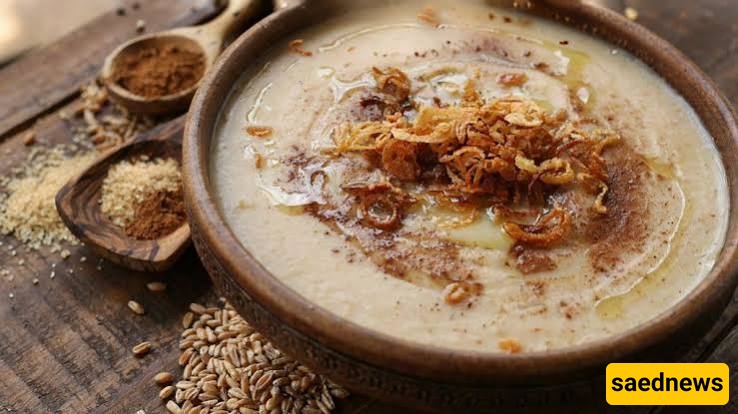
According to Saednews, Wheat harisa is one of Iran’s traditional, authentic, and nutritious dishes. It has deep roots in the culinary culture of the southern regions of the country, particularly Khuzestan, Bushehr, and Hormozgan provinces. This wholesome and light dish is made with a simple yet delicious combination of cracked wheat, meat stock, and aromatic spices. If you are looking for a healthy, filling meal without complicated ingredients or preparation, wheat harisa can be an excellent choice. In this article, you will learn how to prepare wheat harisa at home and enjoy the authentic flavors of southern Iran.
To prepare a flavorful and well-textured harisa, you will need:
1 cup coarse cracked wheat
2 cups meat stock or chicken stock
3–4 cups boiling water, as needed to adjust the consistency
1 tablespoon vegetable oil or animal fat
1 medium onion
Salt, as needed
1 teaspoon turmeric
1 teaspoon cinnamon, for flavor and garnish
Sugar, optional and to taste
Fried onions and sesame seeds, as needed for garnish
The type of cracked wheat is very important. It is best to use coarse cracked wheat, which is traditionally referred to locally as “harisa.” Fine cracked wheat is more suitable for soups and does not provide the right texture for harisa. If you do not have meat stock, you can use chicken stock or even plain water. However, meat stock gives the dish a richer flavor and makes it more nutritious.
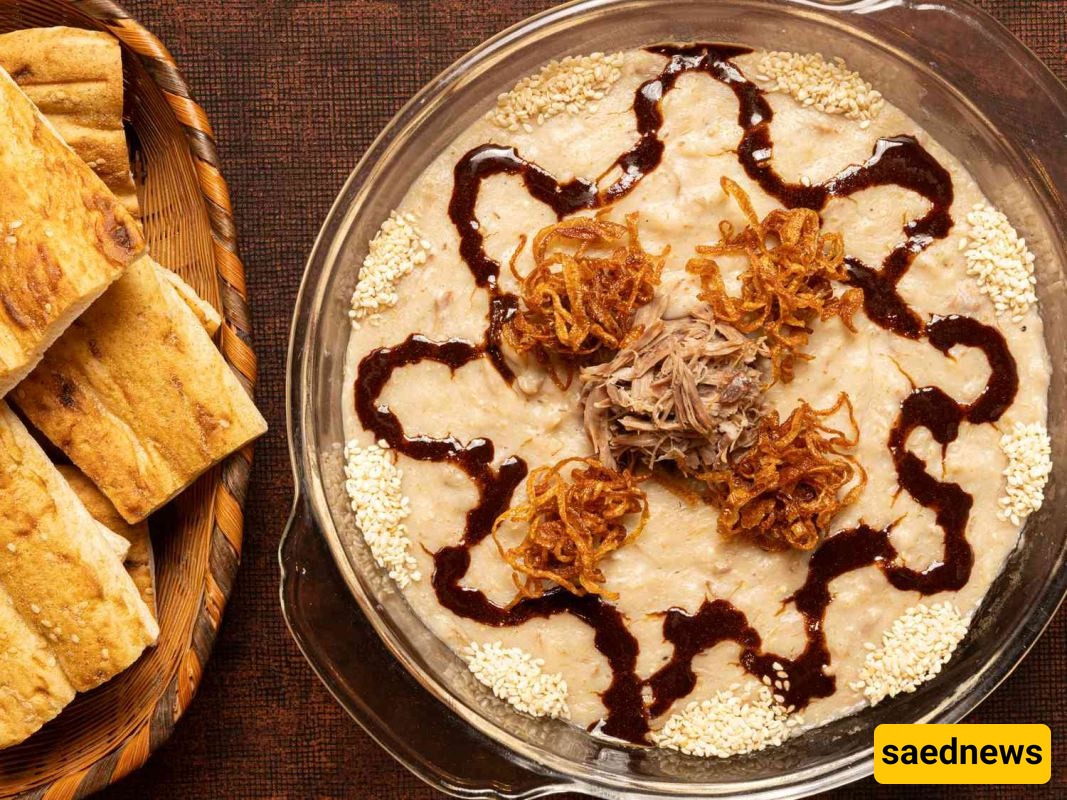
Step-by-Step Method for Making Wheat Harisa
Although making harisa may seem simple at first, its real secret lies in patience and slow cooking. The dish needs to be cooked gently over a long period so that the wheat becomes soft and develops its characteristic thick and slightly stretchy texture. Here are the steps for preparing this traditional dish.
The first and most important step is soaking the cracked wheat. Place the wheat in a large bowl and add enough cold water to cover it by several centimeters. Let it soak for at least 2–3 hours.
Soaking softens the wheat grains and significantly reduces the final cooking time. It also helps release the natural starches from the wheat, resulting in a smoother and more delicate texture.
After soaking, drain the wheat in a strainer, rinse it with cold water, and set it aside to drain completely. If you have enough time, you can soak the wheat overnight, which will make the cooking process even easier.
To give the harisa a wonderful aroma and flavor, peel the onion and chop it into very small dice so that it almost disappears into the dish during cooking.
Choose a suitable, preferably nonstick pot and place it over medium heat. Add the oil and, once hot, add the chopped onion.
Sauté the onion for about 5–7 minutes until it becomes soft and translucent and its raw smell disappears. Avoid frying the onion too much or allowing it to become dark, as this can affect the final color of the harisa.
Add the turmeric and salt and sauté for another minute. Adding the turmeric at this stage allows its color and aroma to spread evenly throughout the base of the dish.
Add the soaked and drained wheat to the pot and mix it thoroughly with the onion and spices. Sauté the wheat for about 2–3 minutes so that the grains become coated with the oil and absorb the flavor of the onions.
Next, add the meat stock along with about 3 cups of boiling water. At the beginning of cooking, the amount of liquid should be roughly four times the amount of wheat. This gives the wheat enough liquid to cook properly and soften.
Stir all the ingredients together and increase the heat until the mixture comes to a boil. At this point, remove any foam or particles that collect on the surface with a spoon so that the finished harisa looks clean and smooth.
Once it reaches a boil, reduce the heat to the lowest setting and partially cover the pot.
The most important part of making harisa is slow, continuous cooking.
Allow the harisa to cook over very low heat for 3–4 hours. During this time, the wheat will gradually soften and release its natural starches.
Stir the harisa every 20–30 minutes to prevent it from sticking to the bottom of the pot. Regular stirring not only prevents burning but also helps create a smooth and slightly stretchy texture.
If you notice during cooking that the liquid has decreased while the wheat is still not completely tender, add about 1 cup of boiling water. Always use boiling water so that the temperature of the dish does not suddenly drop and interrupt the cooking process.
The longer the harisa cooks, the thicker, creamier, and more flavorful it becomes, bringing it closer to its traditional texture and taste.
After 3–4 hours, the wheat should be completely tender and easily mashed with the back of a spoon.
At this stage, you can serve the harisa in two different ways depending on your preference. Some people prefer the wheat grains to remain separate and soft, while others mash the mixture with a masher or traditional wooden tool until it becomes creamy and completely smooth.
If you prefer a soft, purée-like texture, remove the harisa from the heat during the final 30 minutes of cooking and mash it using a hand masher or immersion blender until smooth. Return it to the heat and let it simmer for a few more minutes.
Check the consistency at this stage. If the harisa is too thin, cook it uncovered for about 10 minutes to allow excess water to evaporate. If it is too thick, add a little boiling water and stir until it reaches the desired consistency.
At the end of cooking, taste the harisa and adjust the salt if necessary. Traditionally, harisa has a mild flavor and is served with various toppings, so avoid adding too much salt.
In southern Iran, harisa is traditionally served with plenty of fried onions and hot oil, along with a special spice blend known as “harisa spice,” which contains a type of black pepper and cumin.
If this spice blend is not available, you can use a little cinnamon and black pepper instead.
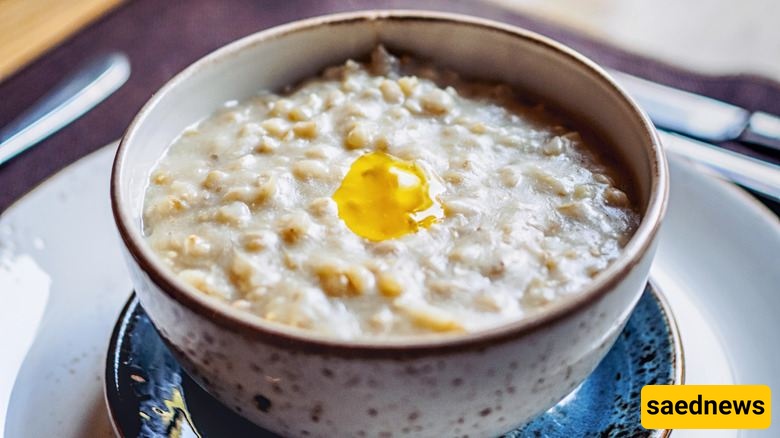
For those who enjoy sweeter flavors, harisa can also be served with sugar and ground cinnamon. This creates a pleasantly balanced and flavorful combination.
Key Tips for Delicious Wheat Harisa
To make your harisa as flavorful and satisfying as the traditional southern versions, keep these tips in mind:
Always use fresh, coarse cracked wheat. Old wheat may lack flavor and aroma and may not soften and open properly during cooking.
The best harisa is made with rich homemade meat stock. Traditionally, lamb or veal bones are simmered for a long time with onion, ginger, and spices until the stock becomes concentrated.
If you do not have prepared stock, you can add two chicken feet to the pot at the beginning of cooking along with the water. They provide gelatin and healthy fat while also adding extra richness and flavor.
For a smooth, velvety texture, mashing the harisa while it is hot is highly effective. If you do not have an electric blender or masher, you can use a traditional wooden masher or even the back of a wooden spoon. Stir and mash vigorously for several minutes until the desired consistency is achieved.
Adding a small amount of animal fat or locally made butter toward the end of cooking gives the dish a wonderful aroma and helps make the texture softer, richer, and more luxurious.