SAEDNEWS: Some foods release a surprising amount of water while cooking because of their natural moisture, structure, freshness, and cooking method. Understanding these factors can help you control excess liquid and achieve better texture and flavor in homemade dishes.
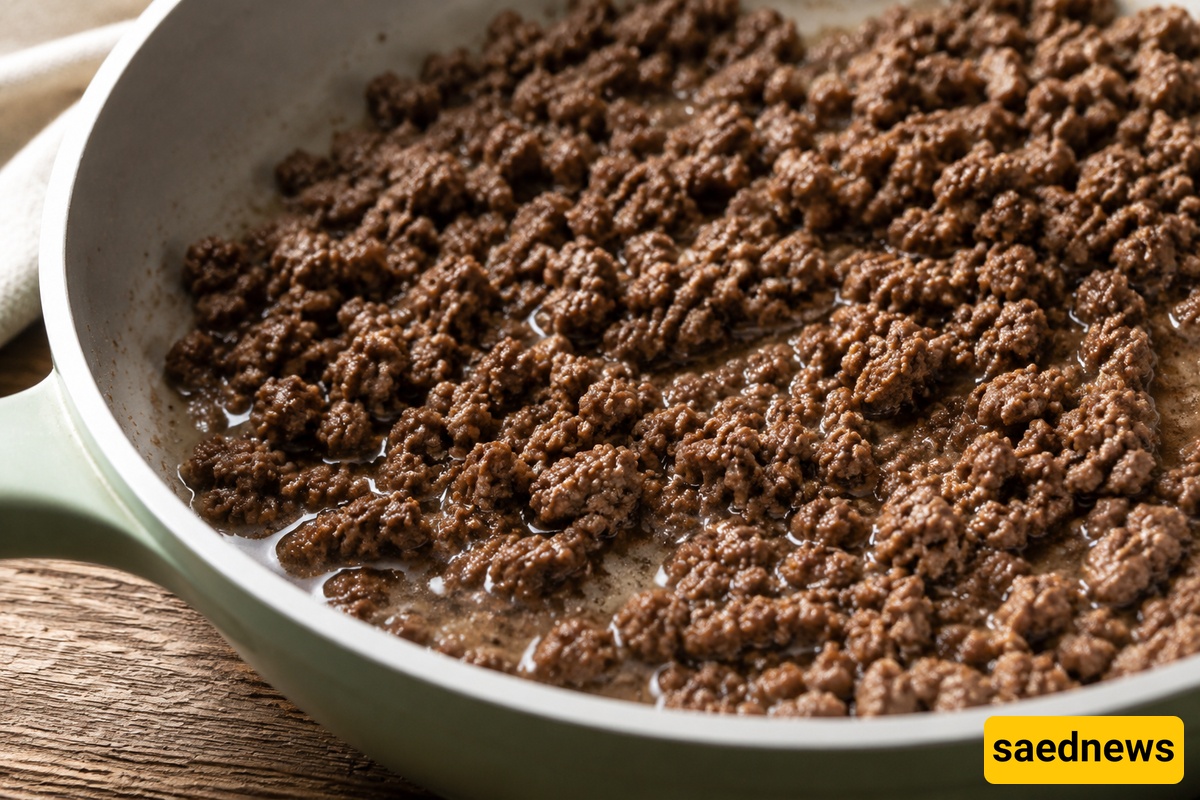
According to SAEDNEWS, some foods release a lot of water during cooking because their cells naturally contain moisture. When heat is applied, the structure of these cells changes, allowing water to escape. Vegetables such as tomatoes, zucchini, mushrooms, and leafy greens can lose considerable moisture, especially when cooked for a long time. The amount of water released also depends on how fresh and ripe the food is.
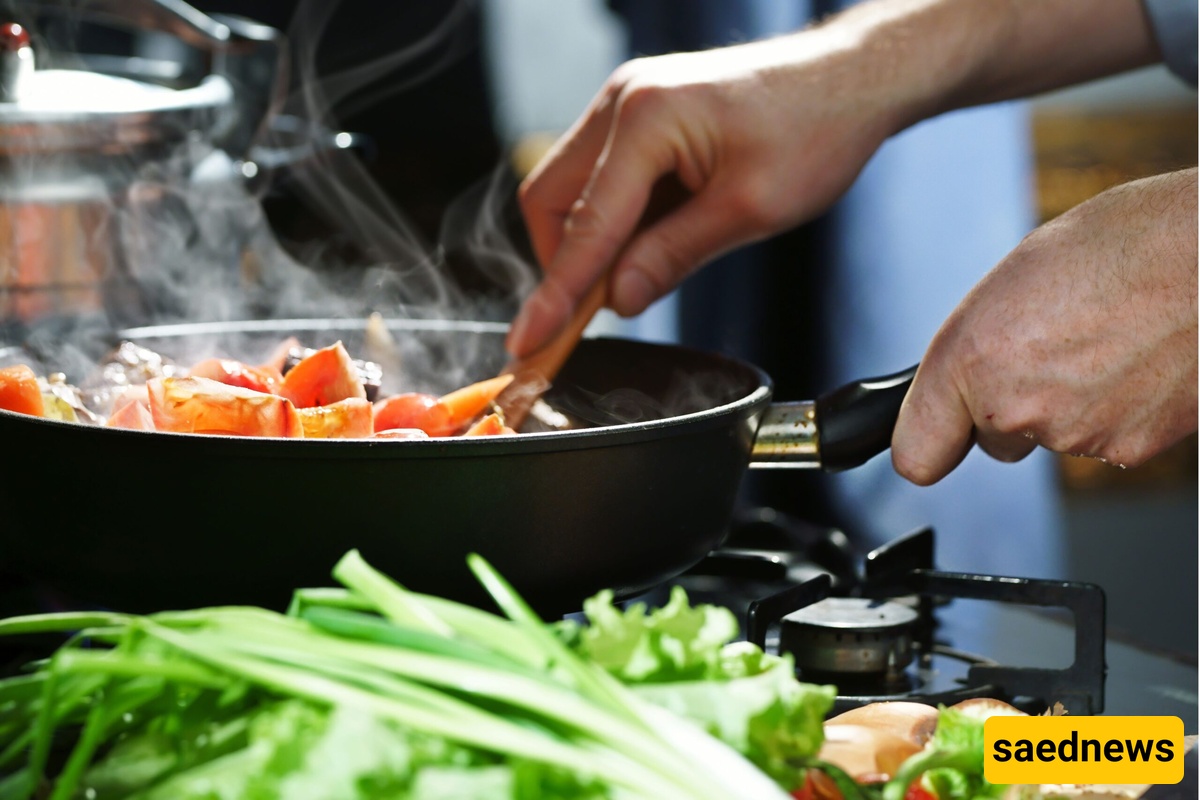
Cooking temperature can strongly affect moisture loss. When food is exposed to high heat, its tissues soften more quickly and release their internal water. However, if the pan is crowded, the temperature can drop, causing the ingredients to simmer in their own liquid instead of browning properly. Using a sufficiently hot pan and avoiding excessive quantities at once can help reduce this problem.
The size and shape of the pieces can also influence how much water comes out. Finely chopped or grated ingredients have more exposed surface area, making it easier for moisture to escape. Salting certain vegetables before cooking can also draw water toward the surface. Draining or gently squeezing ingredients when appropriate can help control excess moisture.
The condition of the ingredients is another important factor. Fresh, ripe foods naturally contain different amounts of water, while some ingredients may absorb additional moisture during washing or storage. Allowing washed vegetables to drain thoroughly before cooking can prevent unnecessary liquid from collecting in the pan.
A few simple cooking habits can make a noticeable difference. Cook moisture-rich ingredients in smaller batches, use suitable heat, and allow excess liquid to evaporate when appropriate. Adding ingredients gradually can also prevent the cooking temperature from falling too quickly. With better control of heat, preparation, and cooking time, dishes can develop a richer flavor and a more appealing texture.