SAEDNEWS: Best Ways to Reduce the Spiciness of Food

According to Saednews, Spiciness can be one of the most exciting elements of cooking, adding depth and intensity to a dish. But when too much chili or pepper is added, it can overpower the other flavors and even make the food difficult to eat. The main compound responsible for the burning sensation is capsaicin, and reducing its impact often requires a combination of practical techniques.
Here are some of the most effective ways to rescue an overly spicy dish and bring its flavors back into balance.
Acidic ingredients are among the quickest ways to soften the perception of heat.
Fresh lemon or lime juice
White vinegar or apple cider vinegar
Fresh tomatoes or tomato paste
Acidity helps balance the overall flavor and can make the heat feel less intense. A few drops of lemon juice in a stew or soup may be enough to improve the balance.
Tip: Add acid gradually to avoid making the dish too sour.
One of the simplest solutions is to increase the total volume of the dish. This dilutes the concentration of chili and spreads the heat across a larger quantity of food.
You can add:
Cooked rice or pasta
Boiled potatoes
Vegetables such as carrots or zucchini
Potatoes and other starchy ingredients can help dilute the concentration of spicy ingredients while also adding texture and substance.
Dairy products are particularly useful for dealing with excessive heat.
Yogurt
Milk
Cream
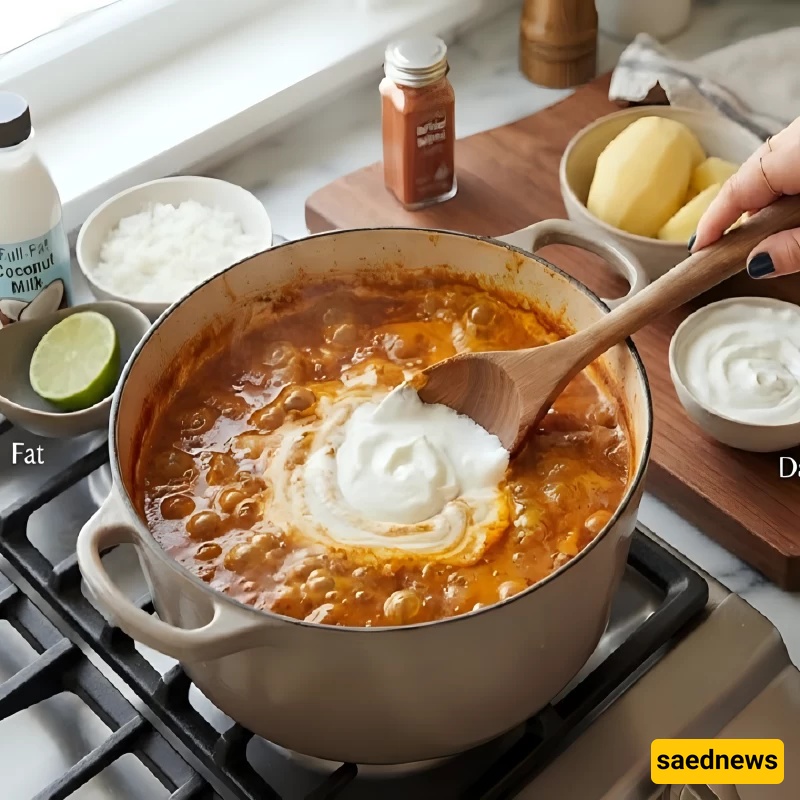
The fat and proteins found in dairy products can help reduce the sensation caused by capsaicin. This is one reason yogurt and creamy ingredients are commonly served with spicy dishes in many cuisines.
Fat can also help reduce the intensity of spicy compounds.
Useful options include:
Olive oil
Butter
Coconut oil
This approach works especially well with fried dishes, thick sauces, and rich stews.
Sweet flavors can balance spiciness rather than actually remove it.
Try adding a small amount of:
Sugar
Honey
Mild pomegranate molasses
Honey can work particularly well in sauces and savory dishes.
Tip: Use sweeteners sparingly. Too much can completely change the character of the dish.

Certain vegetables and starches can help mellow an overly spicy meal while improving its overall flavor.
Good choices include:
Potatoes
Carrots
Bell peppers
These ingredients increase the volume of the dish and introduce mild, naturally sweet flavors that can make the heat feel more balanced.
If the food is extremely spicy, dilution may be the most practical solution.
Depending on the recipe, you can add:
Hot water
Chicken stock
Beef stock
Additional sauce or other non-spicy ingredients
The goal is to distribute the spicy ingredients through a larger volume, reducing their concentration and making the dish easier to eat.
There is no single solution for an overly spicy dish. The best results often come from combining several techniques, such as adding a little acidity, increasing the volume, incorporating dairy or fat, and introducing mild sweetness.
Understanding the role of capsaicin can also help you choose the right approach. So, if you accidentally add too much chili while cooking, there is no need to panic. With a few smart adjustments, you can restore the balance of flavors and enjoy your meal again.