SAEDNEWS: Bamieh is a simple and delicious Persian sweet that can easily be prepared at home. With a few simple tips and the right ingredients, you can make a fresh, hygienic, and homemade treat to enjoy during the holy month of Ramadan.

According to Saednews, Bamieh is a delicious and much-loved pastry, especially popular among Iranians during Ramadan. This traditional Persian sweet has also recently become popular in neighboring countries. Served alongside tea, homemade bamieh makes a delightful treat.
1 cup all-purpose flour
2 tablespoons sugar
2 eggs
1 cup water
50 g butter
2 cups sugar
1 cup water
2 tablespoons rose water
¼ teaspoon saffron
1 teaspoon lemon juice

Combine the sugar and water in a saucepan and bring to a boil. Add the saffron, rose water, and lemon juice. Reduce the heat and simmer for 5–6 minutes, until the syrup thickens. Set aside and allow it to cool completely.
Place the water and butter (or oil) in a saucepan and bring to a boil. Gradually add the flour and sugar, stirring continuously until the raw smell of the flour disappears and the dough is cooked.
Do not cook the dough for more than 2–3 minutes after it comes together. Remove it from the heat and allow it to cool.
For a more attractive color, add 2 tablespoons of the prepared syrup to the dough and mix well. Once the dough has cooled enough that the eggs will not cook when added, mix in the first egg thoroughly. Then add the second egg and continue mixing until you have a smooth, soft dough.
Transfer the dough to a piping bag fitted with a star-shaped nozzle. Pipe the dough directly into hot oil, cutting each piece with an oiled knife or scissors. Fry until golden brown, then remove the bamieh and immediately place it in the cooled syrup for a few moments. Transfer to a strainer to drain excess syrup and oil.
Several factors can cause bamieh to become soft:
The syrup is too hot.
The syrup is too thin.
Too much egg has been added to the dough.
The frying temperature is too high.
Too much syrup has been incorporated into the dough.
Humid weather can make bamieh soften more quickly.
Adding glucose or liquid glucose to the syrup helps reduce excessive sweetness, gives the bamieh a glossy appearance, and prevents it from becoming too soft in humid conditions.
Use small eggs when preparing the dough.
Do not overcrowd the frying pan. Leave enough space between the pieces because steam can make bamieh soft.
Fry the bamieh thoroughly until it becomes deep golden brown rather than pale.
Adding glucose to the syrup is highly recommended because bamieh made without glucose tends to soften.
After frying, leave the bamieh uncovered for about 7–8 hours. If necessary, place it in the refrigerator without covering it to help preserve its crisp texture.
Remove the pan from the heat each time before piping another batch of bamieh into the oil.
A doughy center can have several causes:
The heat is too high, causing the outside to brown quickly while the inside remains uncooked.
Too much syrup has been added to the dough, causing the outside to brown quickly even at a lower temperature.
The dough was not cooked thoroughly before the eggs were added.
The bamieh was piped into oil that was too hot.
There was too much time between frying and soaking the bamieh in syrup.
Too much dough was added to the pan.
There was not enough oil for deep-frying, causing parts of the bamieh to remain exposed to air.
This can happen when:
Too much egg is used.
There is too much water in the dough.
The piping nozzle is not suitable for bamieh.
Possible reasons include:
Too many pieces are placed in the pan at once.
The egg has not been incorporated into the dough properly.
Too little egg has been used.
The dough has not been cooked sufficiently.
The water was not brought fully to a boil before the flour was added.
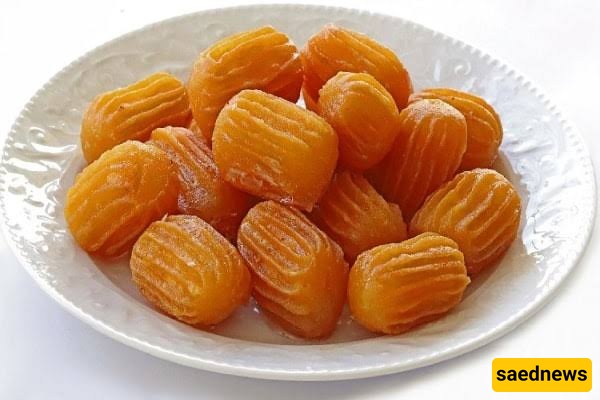
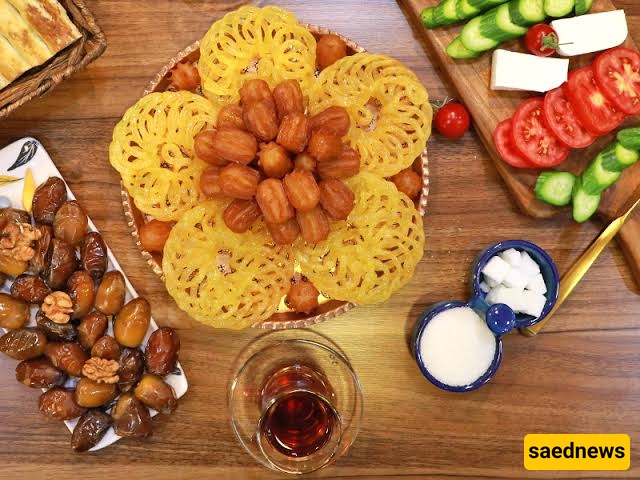
Zoolbia and bamieh are traditional Ramadan sweets, but they are high in sugar and calories and should therefore be consumed in moderation.
One or two pieces may provide a quick source of energy immediately after breaking the fast because they contain large amounts of simple sugars, which are rapidly absorbed and can quickly raise blood glucose levels.
However, their nutritional benefits are limited compared with their potential drawbacks. Their high calorie content may contribute to weight gain when consumed excessively. Because they are rich in simple sugars, they are generally not recommended for people with diabetes and should be limited by healthy individuals as well, particularly outside the immediate post-iftar period.
Bamieh and zoolbia are also deep-fried, meaning they can contain substantial amounts of fat. The nutritional quality can be further affected if unsuitable or repeatedly heated cooking oil is used.