SAEDNEWS: Learn how to prepare turmeric tea, a comforting and nourishing beverage that may support the immune system, help reduce inflammation, and contribute to overall well-being.

According to Saednews, In today’s busy world, many people are looking for natural ways to support their immune system, reduce inflammation, and improve overall well-being. Turmeric tea, with its distinctive golden color and warming flavor, has become a popular choice among people interested in nutrition and traditional wellness.
Turmeric has been valued for centuries in cooking and traditional medicine. Preparing it as a tea offers a simple way to incorporate this versatile spice into a daily routine.
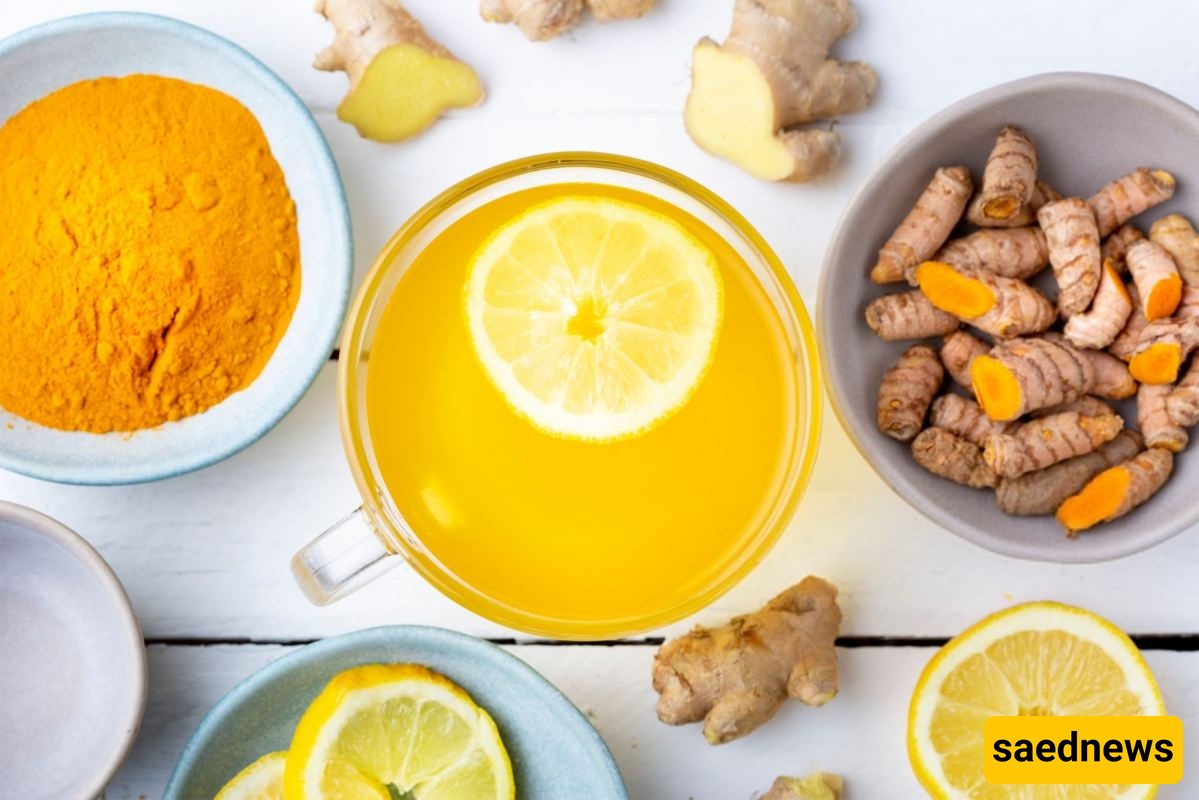
Turmeric (Curcuma longa) is a herbaceous plant from the ginger family. Its best-known active compound is curcumin, which has been widely studied for its antioxidant and anti-inflammatory properties.
However, curcumin is not easily absorbed by the body. How turmeric is prepared and consumed can therefore matter. Ingredients such as black pepper and a small amount of healthy fat are commonly added to turmeric beverages because they may improve curcumin absorption.
For one serving, you will need:
2 cups filtered water
1 teaspoon freshly grated turmeric or 1 teaspoon turmeric powder
A pinch of freshly ground black pepper
1 teaspoon coconut or olive oil
A small piece of fresh ginger, optional
Honey or another preferred sweetener
½ teaspoon cinnamon, optional
If using fresh turmeric, wash and peel it before finely grating about one teaspoon. If using turmeric powder, simply measure the required amount. Grind or crush the black pepper.
Bring the water to a boil in a small saucepan. Add the turmeric, black pepper, and coconut oil. If desired, add the ginger and cinnamon as well.
Reduce the heat and simmer gently for 10–15 minutes. This allows the ingredients to infuse into the water.
Remove the mixture from the heat and strain it into a cup. Once the tea has cooled slightly, add honey to taste.
Serve warm and enjoy.

A creamy variation of turmeric tea is commonly known as a golden latte.
Ingredients:
1 cup milk, such as cow’s, almond, or coconut milk
1 cup water
1 teaspoon turmeric
A pinch of black pepper
1 teaspoon honey
½ teaspoon coconut oil
Preparation:
Combine the milk and water in a saucepan over low heat. Add the turmeric, black pepper, and coconut oil, stirring until well combined.
Simmer gently for about five minutes. Remove from the heat, allow it to cool slightly, and stir in the honey.
Curcumin is known for its antioxidant and anti-inflammatory activity. Regularly including turmeric in a balanced diet may help support the body’s natural response to oxidative stress and inflammation.
Because of its anti-inflammatory properties, turmeric has attracted considerable scientific interest in relation to joint health. Some research suggests that turmeric or curcumin preparations may help support people experiencing joint discomfort.
Turmeric has traditionally been used to support digestion. It may stimulate bile production and can be incorporated into meals or beverages as part of a balanced diet.
Some people enjoy a warm cup of turmeric tea after a meal, particularly when they have eaten heavily.
The antioxidants found in turmeric may help protect cells from oxidative stress. A healthy diet containing antioxidant-rich foods can contribute to overall skin health.
Research into curcumin has also explored its possible effects on cholesterol, blood sugar regulation, and insulin sensitivity. However, turmeric tea should not be considered a treatment for cardiovascular disease or diabetes.

Add black pepper: Black pepper contains piperine, which can increase the absorption of curcumin.
Include some healthy fat: Coconut milk, regular milk, or a small amount of oil can complement turmeric because curcumin is fat-soluble.
Choose good-quality turmeric: Fresh turmeric or a reputable turmeric powder can provide better flavor and consistency.
Use gentle heat: Avoid excessively high temperatures or burning the spices.
Turmeric is generally well tolerated in normal culinary amounts, but concentrated or excessive consumption may not be appropriate for everyone.
Gallbladder problems: People with gallstones or bile-duct obstruction should consult a healthcare professional before using concentrated turmeric products.
Pregnancy: Large amounts or concentrated turmeric supplements may require medical advice during pregnancy.
Blood-thinning medication: Turmeric or curcumin supplements may interact with certain medicines, including anticoagulants such as warfarin.
Acid reflux: Large amounts may cause stomach discomfort or worsen reflux in some people.
If you take medication or have a medical condition, it is best to consult a healthcare professional before using turmeric regularly in concentrated amounts.
There is no universally established daily dose of turmeric tea because the amount of turmeric and curcumin can vary considerably between recipes and products.
For most people, an occasional or moderate serving made with culinary amounts of turmeric is a reasonable way to enjoy the beverage. Avoid excessive consumption, particularly of concentrated preparations.
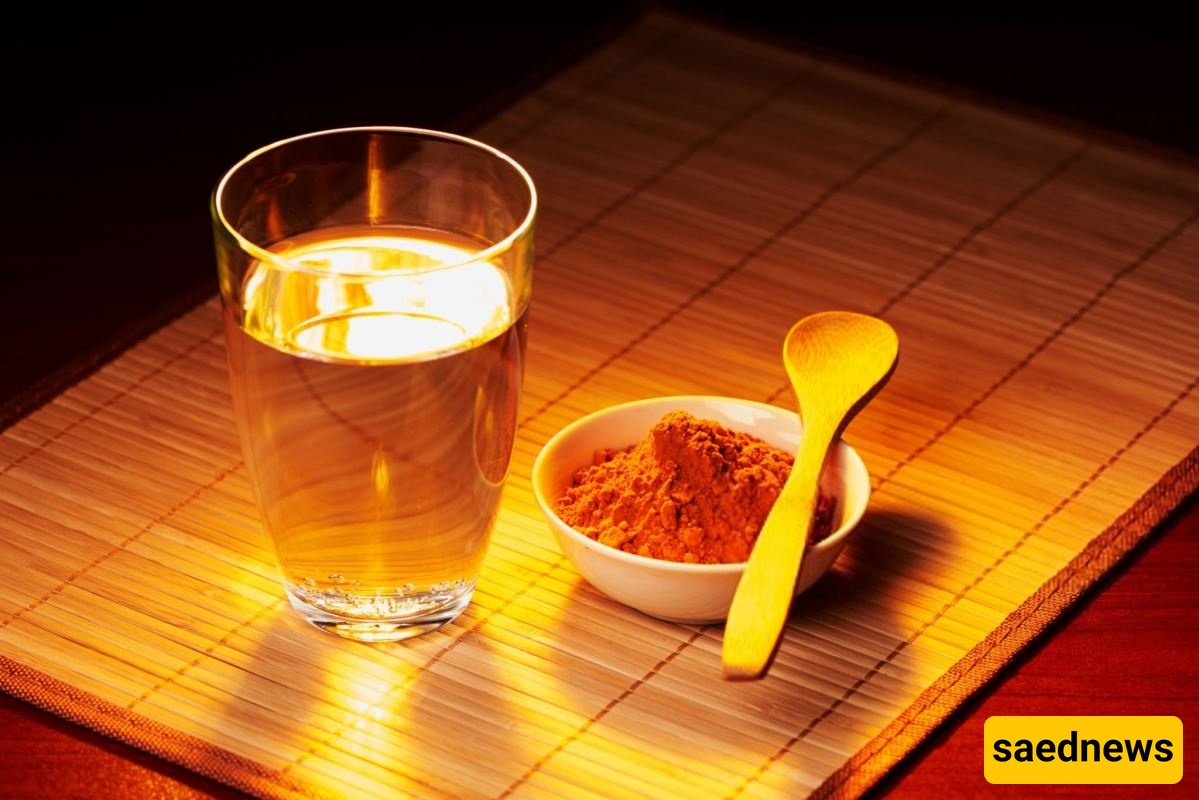
Turmeric tea is an easy, warming beverage that can add turmeric, ginger, cinnamon, and other flavorful ingredients to a balanced lifestyle. Its popularity is largely connected to curcumin and its antioxidant and anti-inflammatory properties.
Adding black pepper and a small amount of healthy fat is a common way to improve the formulation, while gentle preparation helps preserve the drink’s flavor.
As with any food or herbal ingredient, moderation is important. Turmeric tea can be a pleasant addition to a healthy routine, but it should complement—not replace—a balanced diet, medical treatment, or professional healthcare advice.