SAEDNEWS: Children’s eating habits are influenced by their experiences during meals. Pressure, negative reactions, and unsuitable routines can make children lose interest in food. Creating a calm and positive eating environment helps children develop healthier relationships with meals.
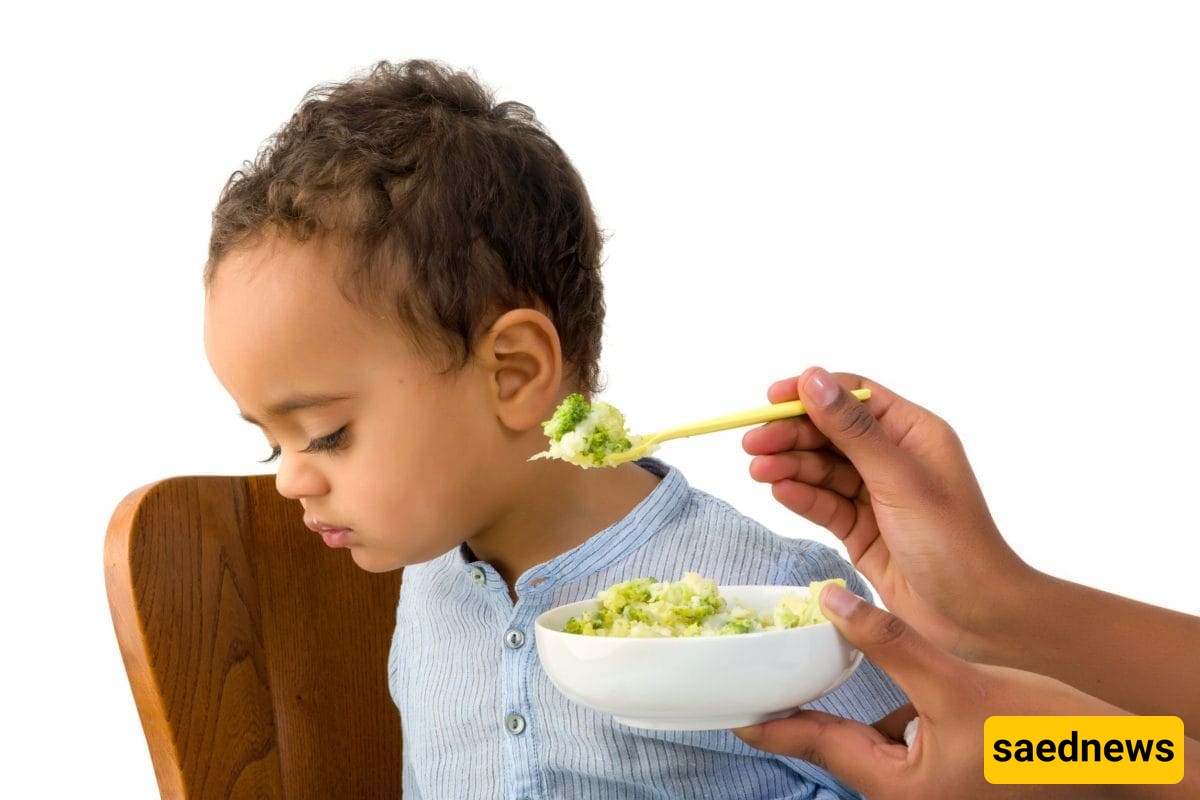
According to SAEDNEWS, mealtime should be a pleasant experience where children can discover different tastes and build healthy habits. However, some common mistakes may make eating stressful and cause children to avoid meals or lose their natural interest in food.
One of the biggest mistakes is forcing a child to finish all food on the plate. When children feel pressured, they may connect mealtime with stress instead of enjoyment. Parents should encourage children gently and allow them to understand their own hunger and fullness signals.
Criticizing a child’s eating habits or showing disappointment about their choices can reduce their confidence. Positive encouragement and patience help children feel more comfortable while trying different foods and learning proper eating behaviors.

Offering the same foods repeatedly may make children become less interested in eating. Providing a variety of nutritious meals with different colors, textures, and flavors can make mealtime more attractive and encourage children to try new options.
Using distractions during meals can prevent children from focusing on their food and learning healthy eating routines. Creating a peaceful environment and encouraging family conversations can make meals more enjoyable and meaningful.
Irregular meal times or frequent snacks before meals may reduce a child’s appetite. A consistent eating routine helps children understand when it is time to eat and supports better eating habits over time.