SAEDNEWS: Feeling heavy after meals is often linked to eating habits, portion choices, and the way foods are combined. Small mistakes during daily meals can affect digestion and create discomfort, tiredness, or a sense of fullness.

According to SAEDNEWS, eating too fast is one of the common habits that can make people feel heavy after meals. When food is consumed without enough time for proper chewing, digestion may become more difficult. Slowing down and paying attention to each bite can help the body process meals more comfortably.
Large portions can put extra pressure on the digestive system and create a feeling of heaviness. Even nutritious meals may cause discomfort when eaten in excessive amounts. Choosing balanced portions and stopping when comfortably full can support better digestion and prevent unnecessary tiredness.
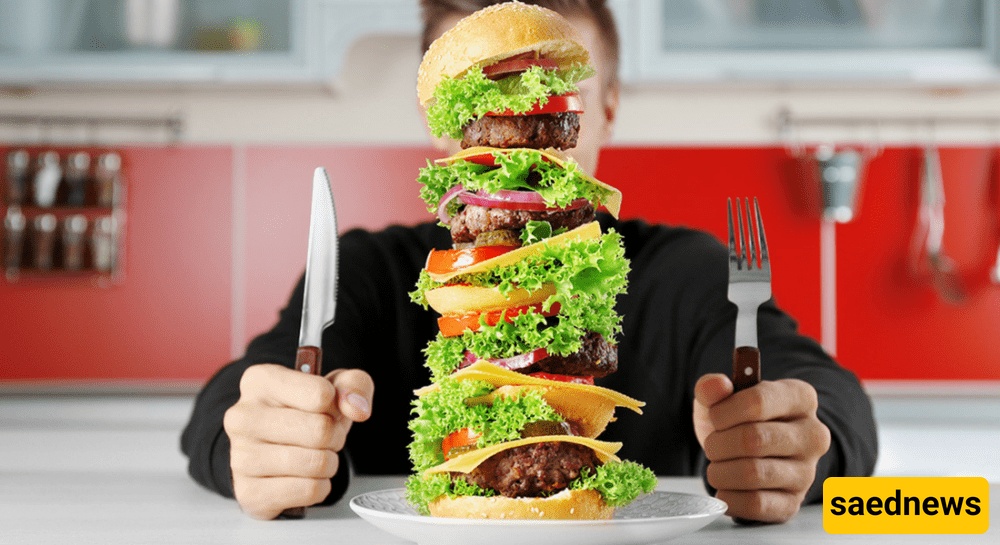
Combining too many heavy foods in one meal can make digestion feel slower. Meals that lack variety and balance may leave the body feeling less energetic. Selecting a suitable mix of nutrients and avoiding overly complicated meals can help maintain a lighter feeling after eating.
Unorganized meal schedules may affect the body’s natural rhythm and lead to uncomfortable feelings after eating. Skipping meals and then eating a large amount later can increase the chance of feeling too full. Maintaining regular eating times can help the body manage digestion more effectively.
Not drinking enough fluids throughout the day and eating without noticing hunger signals can contribute to discomfort. Paying attention to the body’s needs, choosing suitable foods, and creating mindful eating habits can reduce feelings of heaviness and support overall well-being.