SAEDNEWS: Reusing cooking oil repeatedly can affect its quality and change its chemical properties. Repeated heating may cause the oil to break down, develop unpleasant flavors, and lose some of its desirable characteristics. Understanding what happens to oil during repeated cooking can help you make safer and better choices in the kitchen.
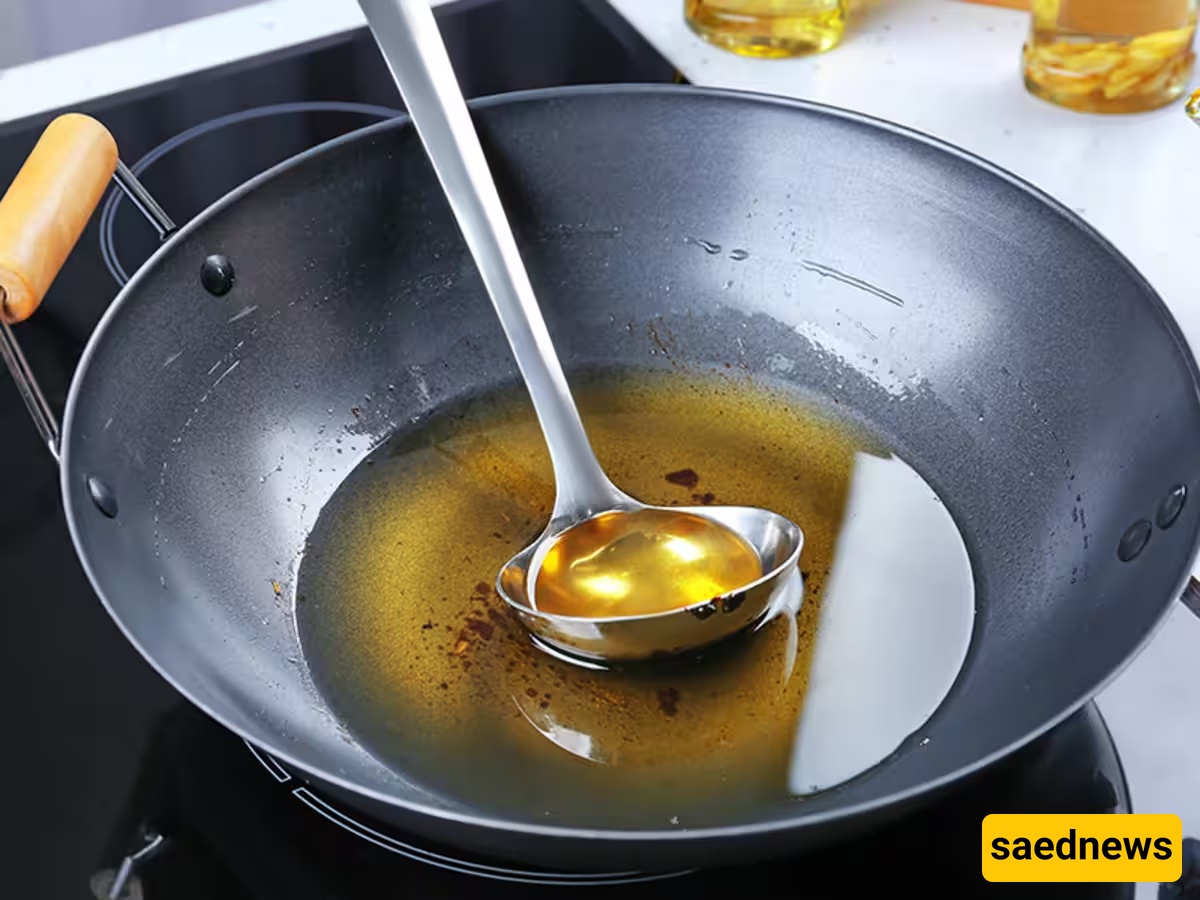
According to SAEDNEWS, cooking oil undergoes chemical changes every time it is exposed to high temperatures. Repeated heating can accelerate oxidation and cause the oil to gradually deteriorate. The longer and more frequently oil is heated, the greater the opportunity for these changes to occur.
Oil that has been heated several times may develop a darker color, stronger odor, and unpleasant taste. Food cooked in degraded oil can also absorb these undesirable flavors, which may reduce the overall quality of a meal. Fresh oil generally provides a cleaner taste and better cooking results.
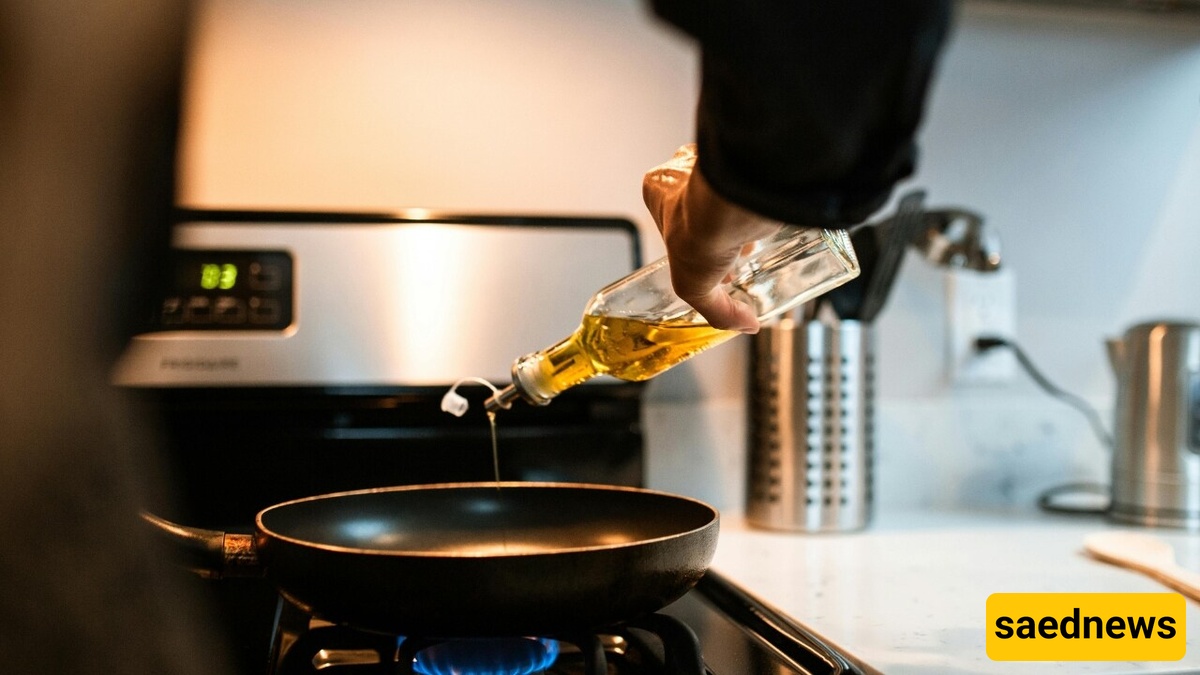
Repeated heating can lead to the formation of oxidation products and other compounds as the oil breaks down. The amount produced depends on factors such as temperature, heating duration, exposure to air, and the type of oil. Avoiding unnecessary repeated heating can help limit these changes.
As oil deteriorates, its performance during cooking can change. It may smoke more easily, foam, become thicker, or transfer burnt flavors to food. These signs indicate that the oil has experienced considerable degradation and should not continue to be used.
Using an appropriate amount of oil and avoiding excessively high temperatures can help maintain its quality. Oil should also be kept away from excessive heat when not in use and stored properly when appropriate. Most importantly, oil that shows significant changes in color, smell, texture, or smoking behavior should be discarded rather than repeatedly reheated.