SAEDNEWS: Bread is one of the most commonly consumed foods, but it can quickly become stale or moldy if stored incorrectly. By using the right storage methods and understanding what affects freshness, you can enjoy soft, flavorful bread for a longer time while reducing food waste.
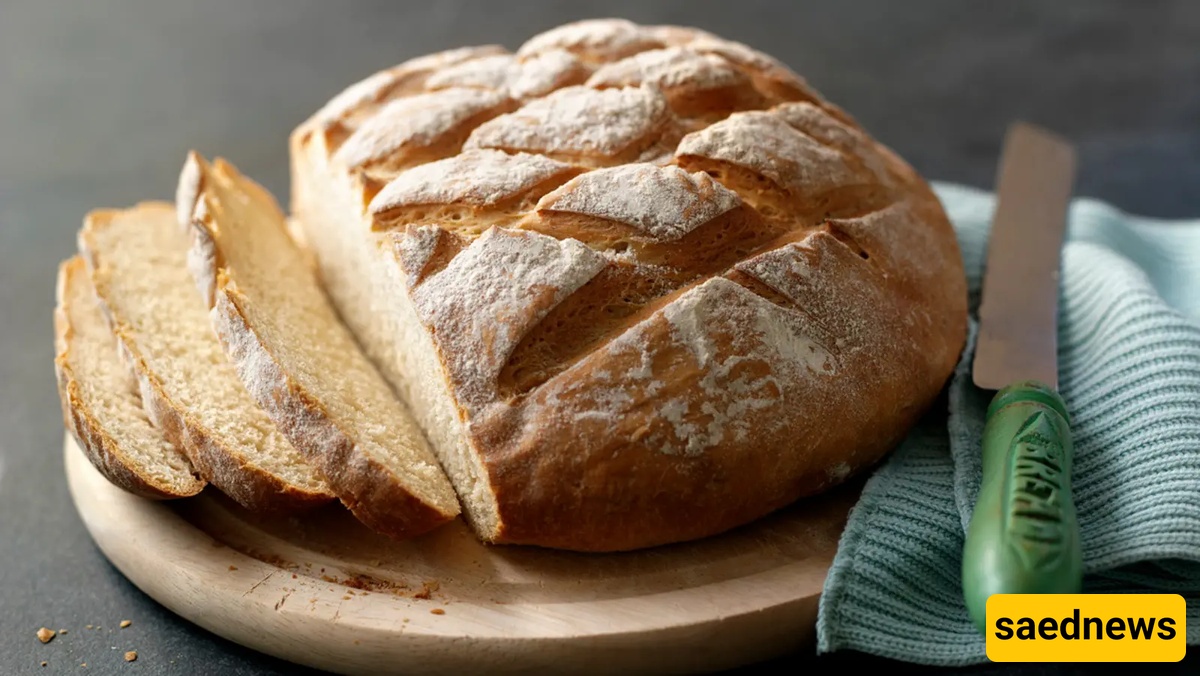
According to SAEDNEWS, the way bread is stored has a major impact on how long it stays fresh. Fresh bread should be kept in a cool, dry place inside a bread box, paper bag, or clean cloth bag that allows some airflow. Plastic bags can trap moisture, increasing the risk of mold, while leaving bread completely uncovered causes it to dry out much faster.
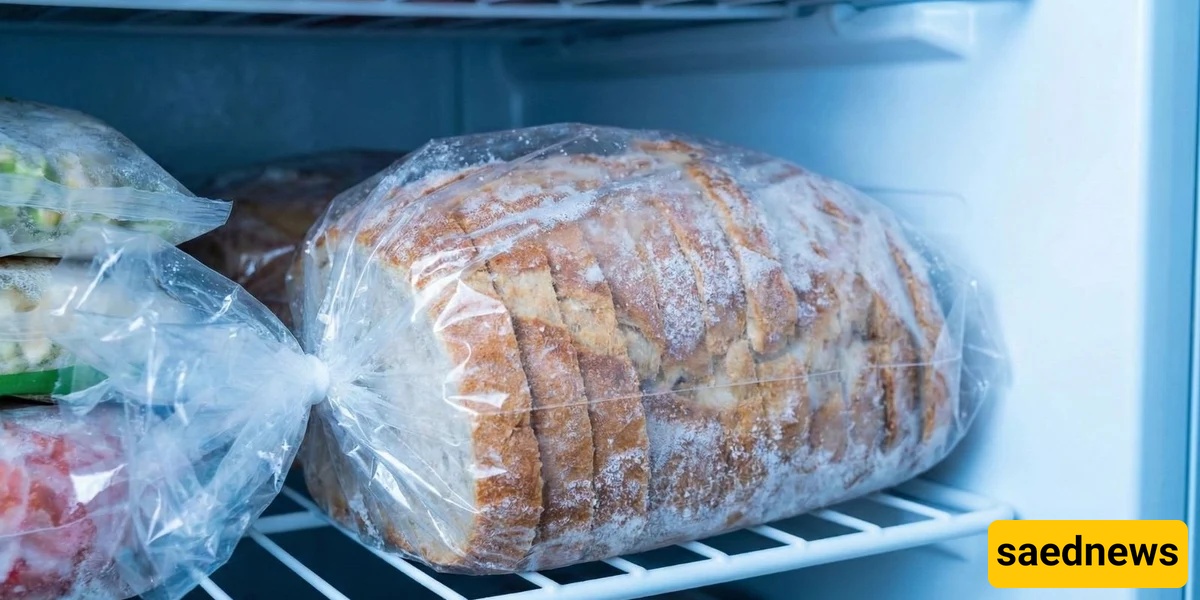
If you do not plan to eat the bread within a few days, freezing is one of the best options. Slice the loaf before freezing so you can remove only the pieces you need. Wrap the bread tightly in freezer-safe packaging to prevent freezer burn. When ready to eat, thaw the slices at room temperature or warm them directly in a toaster or oven to restore their texture.
Many people store bread in the refrigerator, believing it keeps it fresh longer. In reality, refrigeration speeds up the staling process, causing bread to become dry and firm more quickly. It is better to keep bread at room temperature for short-term use and reserve the freezer for longer storage. Also, avoid placing bread near heat sources or in direct sunlight, as warmth encourages mold growth.
Even if bread begins to lose its softness, it can often be revived. Lightly sprinkle the loaf with water and warm it in a preheated oven for several minutes to restore a crisp crust and softer interior. Slightly stale bread is also perfect for making breadcrumbs, croutons, bread pudding, or French toast, helping you reduce waste while creating delicious meals.