SAEDNEWS: Adding salt at the right stage of cooking can significantly improve flavor, texture, and overall food quality. Different ingredients and cooking methods require different timing to achieve the best results. Understanding when to season your dishes helps create balanced flavors while avoiding common cooking mistakes.
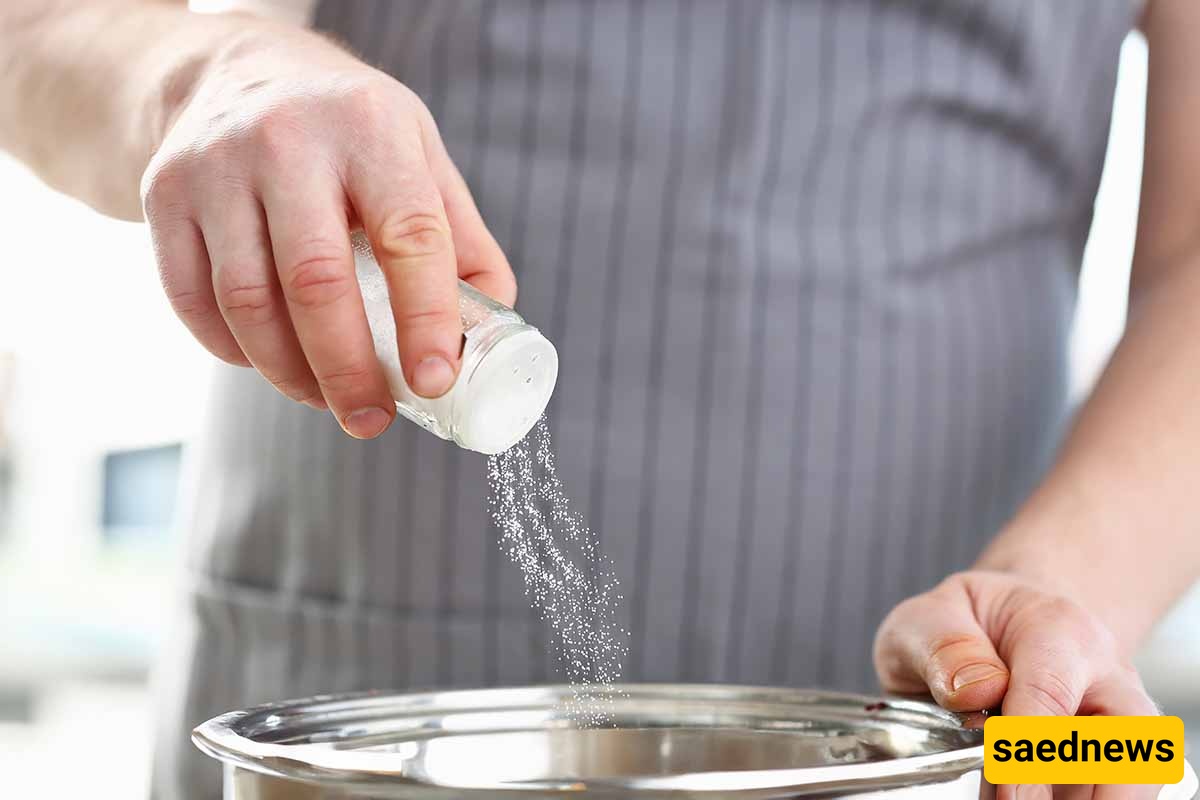
According to SAEDNEWS, the timing of adding salt is just as important as the amount you use. Salt does more than simply make food taste salty—it enhances natural flavors, affects moisture, and even changes the texture of certain ingredients. Knowing when to add salt during cooking can elevate everyday meals with minimal effort.
Salt interacts differently with various foods throughout the cooking process. When added early, it has time to penetrate ingredients, creating deeper and more even seasoning. In contrast, adding salt at the end provides a fresher, brighter taste because more of it remains on the surface. Choosing the right moment depends on the dish you are preparing and the result you want to achieve.
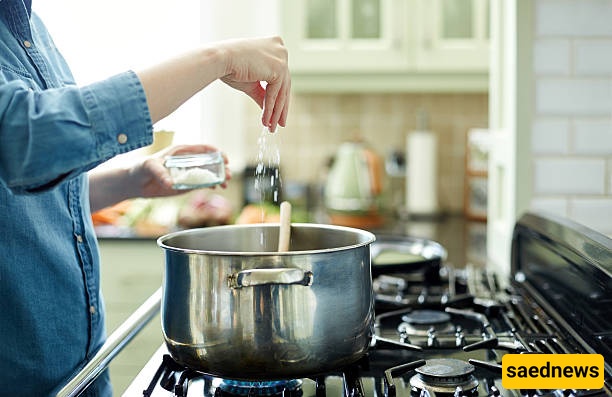
For meats, salting at least thirty minutes before cooking—or even several hours ahead—helps improve flavor and retain moisture during cooking. Vegetables that are roasted or sautéed usually benefit from light seasoning at the beginning, while delicate leafy greens are often best seasoned just before serving. Pasta water should be salted once it reaches a boil, allowing the pasta to absorb seasoning evenly as it cooks.
Long-cooked dishes such as soups, stews, and sauces benefit from adding small amounts of salt throughout the cooking process instead of all at once. As liquids reduce, flavors become more concentrated, including the saltiness. Tasting and adjusting near the end ensures the final dish remains balanced and prevents over-seasoning.
Many professional chefs finish dishes with a small amount of salt just before serving. This final adjustment brightens flavors and brings all the ingredients together. Rather than relying on a single addition of salt, seasoning in stages and tasting frequently produces more flavorful, well-balanced meals with greater depth and complexity.