SAEDNEWS: Making authentic Italian pasta requires attention to a few subtle but important details—from choosing the right type of pasta to pairing it properly with the sauce. In this article, you’ll learn the correct method step by step, along with the essential techniques for achieving a truly Italian-style pasta dish.
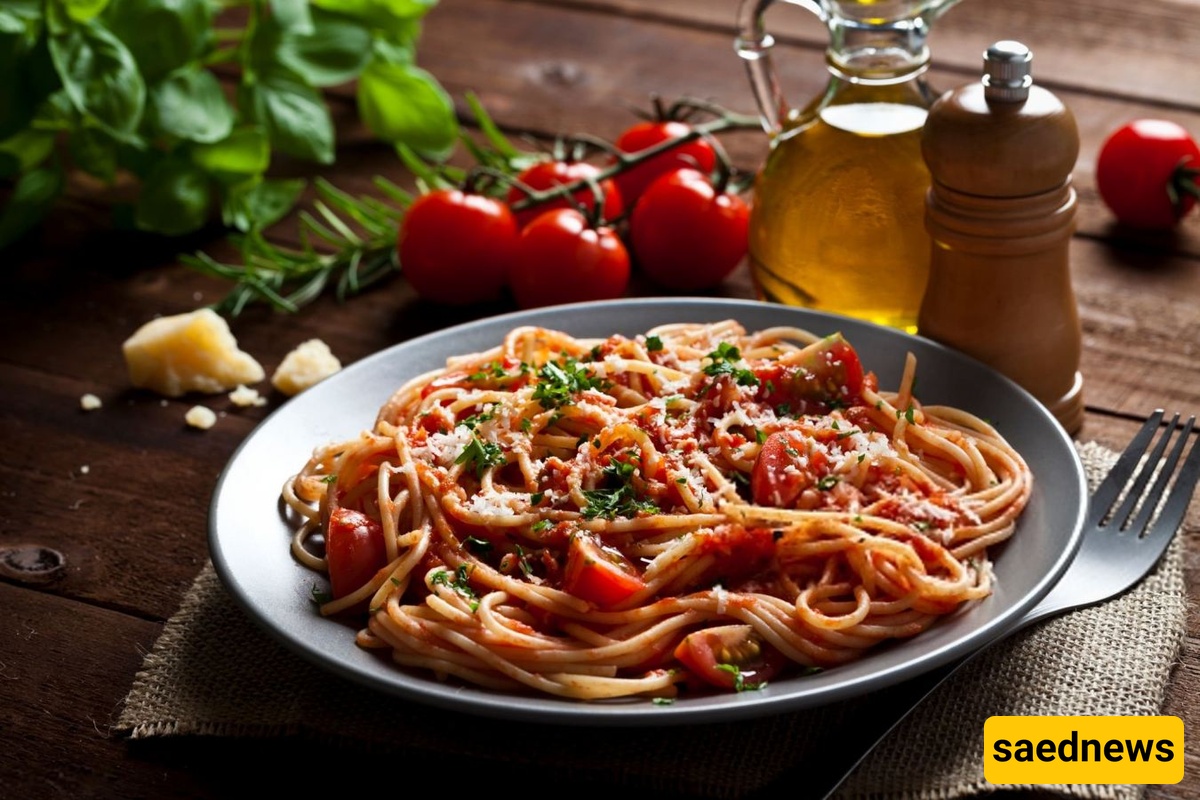
According to Saednews, Pasta is one of the most popular and widely enjoyed foods in the world, with deep roots in Italy’s rich culinary culture. This simple yet delicious dish has become an essential part of meals for many families around the world. However, preparing truly Italian-style pasta with excellent flavor and the right texture requires knowing a few important techniques and details that many home cooks overlook.
In this comprehensive guide, we will walk you through the proper way to cook Italian pasta—from choosing the right type of pasta and preparing an authentic sauce to mastering the small details that can make a remarkable difference in the final dish.
Before you begin cooking, it is important to understand that the type of pasta you choose can have a major impact on the final result. Italy has more than 350 varieties of pasta, each designed to work with particular sauces and cooking methods.
For home cooking, dried pasta made from durum wheat semolina is an excellent choice. This type of pasta holds its shape well during cooking and maintains a pleasant texture.
When buying pasta, pay attention to its color. A golden-yellow appearance is generally a sign of good-quality flour and proper production.
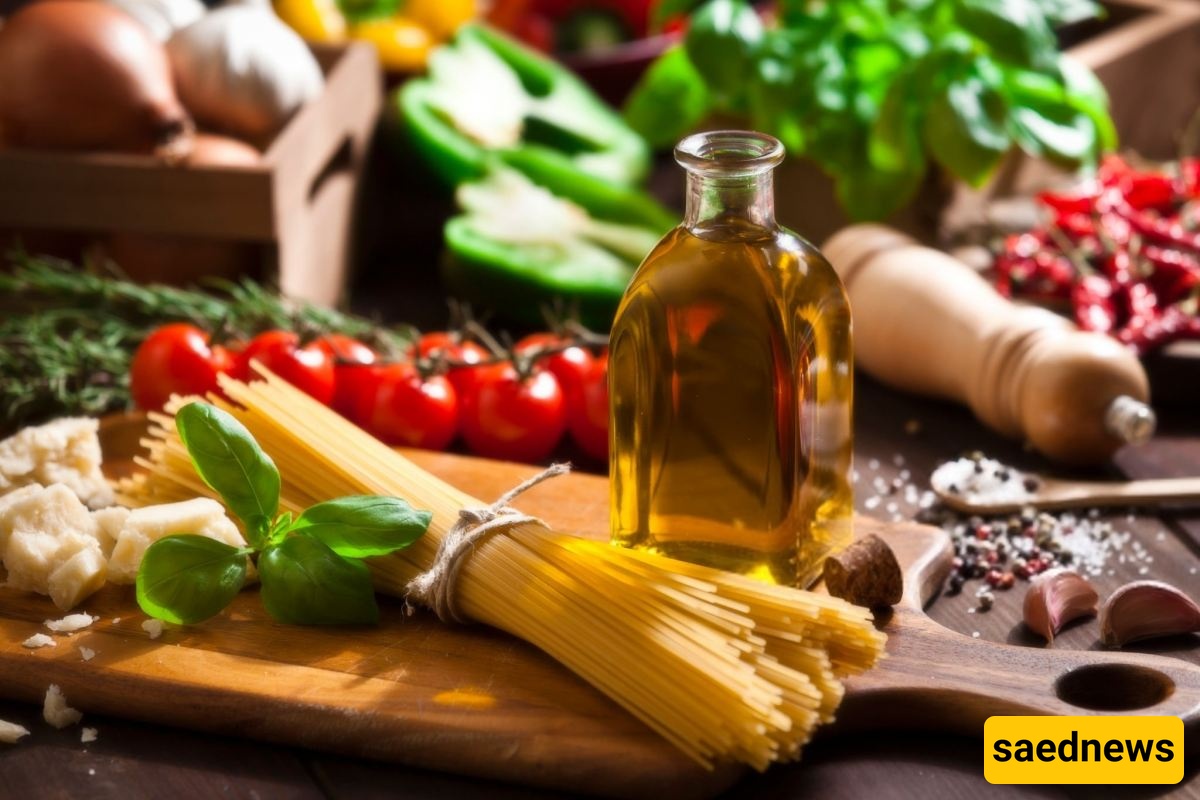
Before you start cooking, make sure you have all the necessary ingredients and equipment ready.
You will need:
High-quality pasta, about 80–100 grams per person
Plenty of water, at least 1 liter for every 100 grams of pasta
Sea salt or regular salt
Extra-virgin olive oil
Ingredients for the sauce, such as garlic, tomatoes, basil, and Parmesan cheese
A large cooking pot
One of the most common mistakes people make is using a small pot with too little water.
For properly cooked Italian-style pasta, use a large pot that gives the pasta enough room to move freely. Plenty of water helps the pasta cook evenly and reduces the risk of sticking.
Contrary to a common misconception, using less water does not prevent pasta from sticking. In fact, insufficient water can make the pasta sticky and overly starchy.
Fill a large pot with water and place it over high heat. Wait until the water reaches a full, vigorous boil.
Never add pasta to cold or lukewarm water. Starting with properly boiling water helps preserve the pasta's texture and prevents it from becoming overly soft.
Once the water is boiling, add the salt. A commonly used guideline is approximately 10 grams of salt per liter of water.
Add the salt before putting the pasta into the pot so the pasta can absorb some of the seasoning as it cooks. This gives the pasta flavor from within rather than simply seasoning its surface afterward.
Place the pasta evenly into the boiling water.
If you are cooking spaghetti, place one end into the water first. After a few seconds, the submerged portion will soften, allowing you to gently lower the rest into the pot without breaking the spaghetti.
As soon as you add the pasta, give it a gentle stir to prevent it from sticking to the bottom of the pot.
During the first few minutes of cooking, stir the pasta several times. This helps distribute the heat evenly and prevents strands or pieces from sticking together.
After the initial stage, there is no need to stir constantly. Stirring every few minutes is generally enough.
Follow the cooking time indicated on the package, but keep in mind that the ideal texture for Italian pasta is usually al dente.
Al dente means that the pasta is cooked through while still offering a slight resistance when you bite into it. The center should remain firm and pleasantly elastic rather than soft or mushy.
To achieve this texture, start testing the pasta one or two minutes before the package's recommended cooking time.
An easy way to check it is to taste a strand. If it is cooked through but still has a slight firmness, it is ready.
One of the most useful techniques in Italian pasta cooking is to reserve about one cup of the cooking water before draining the pasta.
Pasta water contains starch, which works as a natural thickening agent for the sauce. Adding a few spoonfuls of this starchy water to the sauce can give it a smoother consistency and help it cling to the pasta.
The sauce is one of the most important elements of a flavorful Italian pasta dish. Here is a simple tomato sauce that works beautifully with pasta.
2 tablespoons extra-virgin olive oil
3 cloves garlic, finely chopped
400 grams crushed tomatoes or freshly grated tomatoes
A few fresh basil leaves
Salt and black pepper, to taste
1 teaspoon sugar, if needed to balance the acidity of the tomatoes
Grated Parmesan cheese, for serving
Heat the olive oil in a large pan over medium-low heat.
Add the garlic and sauté it only until fragrant, about 30 seconds. Be careful not to burn the garlic, as burnt garlic can give the sauce a bitter taste.
Add the tomatoes and reduce the heat. Allow the sauce to simmer gently for about 15–20 minutes, or until it becomes slightly thicker.
Finally, season with salt and black pepper and add the chopped fresh basil.
Here is an important technique used in Italian cooking: do not simply pour the sauce over fully drained pasta.
Instead, transfer the pasta directly from the cooking pot to the pan containing the sauce when it is still al dente.
Toss the pasta and sauce together over low heat for one to two minutes. This allows the sauce to coat the pasta more effectively and helps the flavors come together.
At this stage, gradually add some of the reserved pasta water until the sauce reaches the desired consistency.
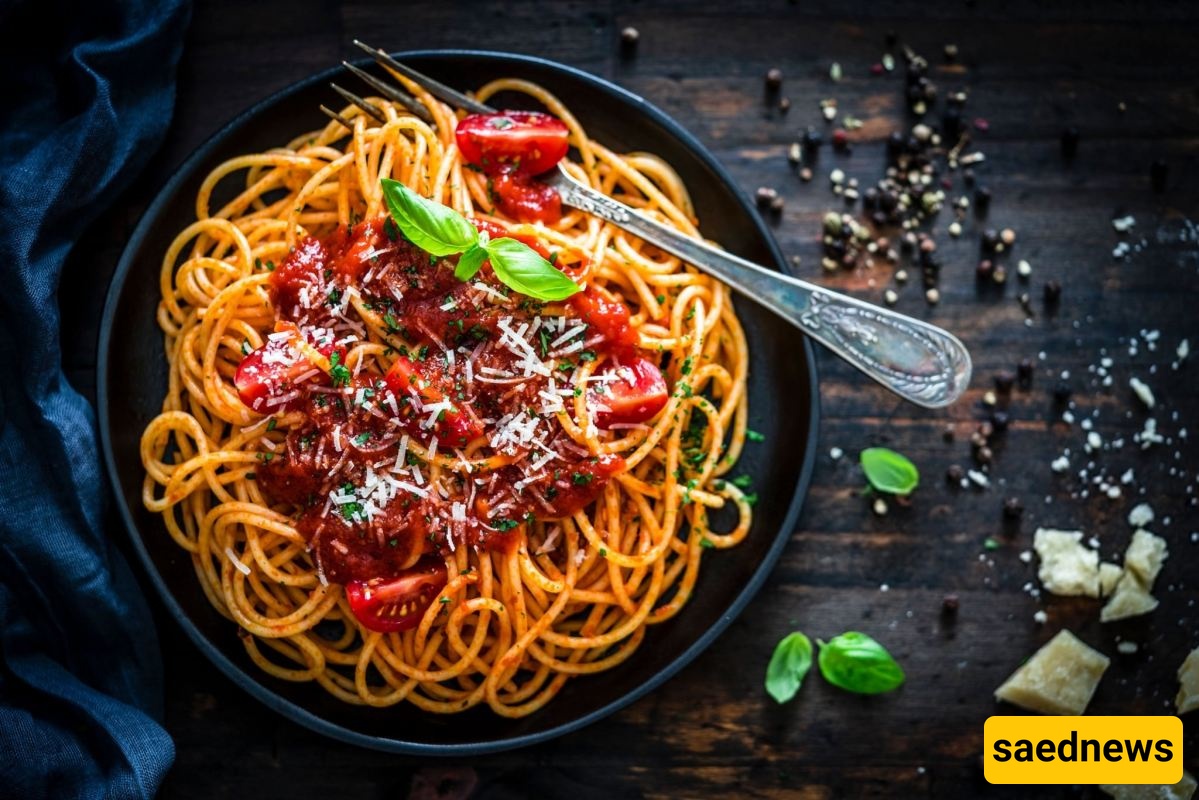
Rinsing cooked pasta with cold water removes starch from its surface, making it more difficult for the sauce to cling to the pasta.
Cold-water rinsing is generally unnecessary for hot pasta and is mainly useful when preparing certain types of pasta salad.
Contrary to popular belief, adding oil to the pasta water is not necessary. It can leave the pasta surface slightly oily, which may actually make it harder for the sauce to adhere properly.
Cooking pasta for too long can make it soft and mushy and can negatively affect its texture and overall quality.
After draining the pasta, transfer it to the sauce immediately. Leaving cooked pasta sitting in a colander can cause it to dry out, become sticky, and lose its ideal texture.
Cooking delicious Italian-style pasta is a simple culinary skill that becomes much easier when you understand a few essential principles.
Choosing high-quality durum wheat pasta, using plenty of salted water, cooking the pasta until al dente, and combining it properly with the sauce are four of the most important foundations of great pasta.
With these simple techniques, an everyday meal can become a flavorful and memorable dish that the whole family can enjoy.
Most importantly, cooking is about patience, care, and attention to detail. Take your time, enjoy the process, and let the ingredients speak for themselves.
The next time you prepare this beloved dish, you will have the knowledge and technique to create Italian-style pasta with the right texture, balanced flavor, and satisfying finish.
Enjoy your meal!