SAEDNEWS: Brown sumac is best known as a tart seasoning for kebabs and Middle Eastern dishes, but its story goes far beyond the kitchen. Rich in plant compounds and traditionally used for a range of health purposes, this unusual spice has attracted attention for its antioxidant, anti-inflammatory and other potential properties.
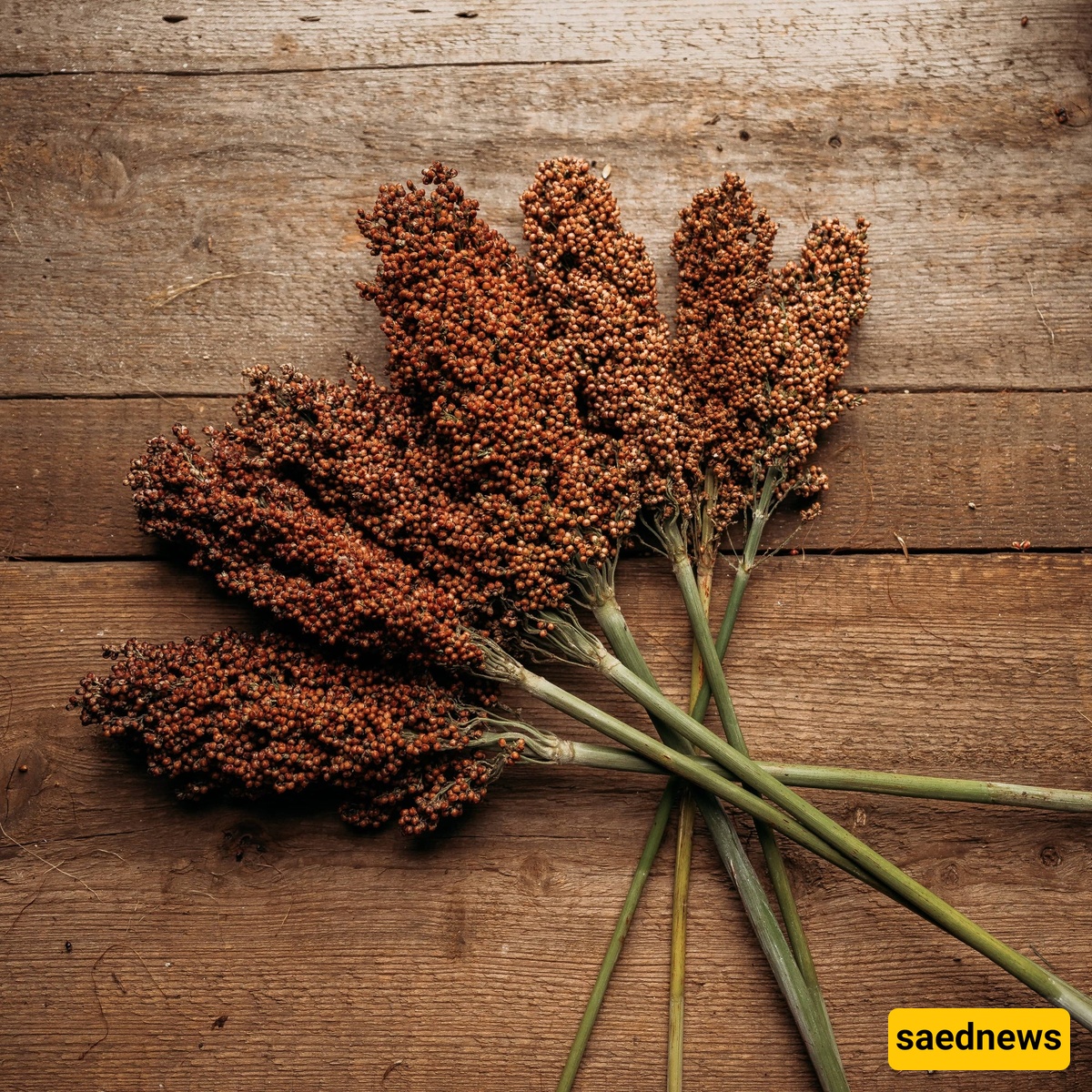
According to SaedNews: Brown sumac may look like an ordinary kitchen seasoning, but behind its sharp, tangy flavor is a plant with a surprisingly long history of culinary and traditional medicinal use.
For generations, sumac has been valued in parts of the Middle East and elsewhere for its distinctive sour taste. It is especially familiar alongside kebabs, vegetables and salads, where it can provide a citrus-like sharpness without relying on lemon. Yet brown sumac has also been associated with a wide range of traditional health applications.
The plant commonly referred to in the source is Rhus coriaria, a shrub native to Mediterranean regions and also cultivated in several Iranian provinces, including East Azerbaijan, West Azerbaijan, Ardabil, Kermanshah, Razavi Khorasan and Golestan.
The spice is generally divided into two broad types: brown sumac and red sumac. Although both are tart, they differ in processing, harvesting and appearance. Red sumac is harvested while the fruit remains red, helping give the resulting powder its characteristic color. Brown sumac is processed differently and is described as somewhat more acidic or tart, while red sumac tends to have a smoother, more uniform texture.
What makes brown sumac particularly interesting is its chemical composition. The plant contains compounds such as tannins, gallic acid and flavonoids, along with other bioactive substances. It is also described as providing vitamin C, vitamin A and minerals including potassium, while its antioxidant content has become a major focus of research.
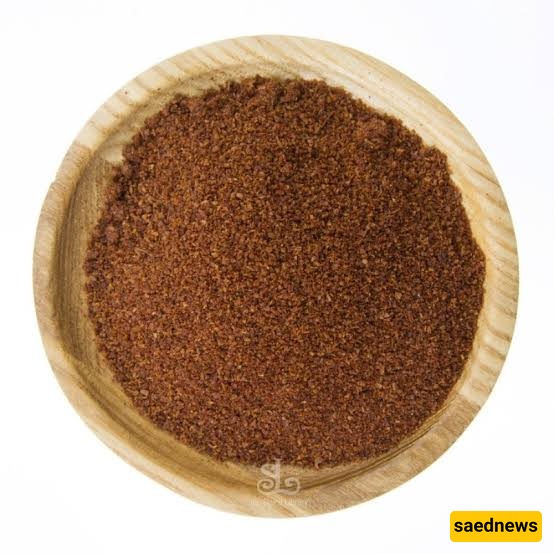
One of the most discussed properties of brown sumac is its antioxidant activity.
Antioxidants are compounds that help protect cells from oxidative stress caused by free radicals. Research cited in the source suggests that extracts of sumac may help reduce oxidative stress and certain markers of inflammation.
That does not mean the spice should be viewed as a treatment for disease. Rather, its antioxidant profile is one reason researchers continue to investigate its potential biological effects.
The same research interest extends to its anti-inflammatory properties. Laboratory and early-stage studies have suggested that compounds found in sumac may influence inflammatory processes, although more evidence is needed before these findings can be translated into established medical treatments.
Another reason brown sumac has attracted attention is its possible relationship with blood sugar control.
Studies described in the source suggest that sumac extracts may reduce blood glucose levels, improve insulin sensitivity and influence oxidative stress associated with diabetes.
These findings are promising but should be interpreted carefully. Research on an extract in a laboratory or controlled study is not the same as proving that ordinary culinary amounts of sumac can prevent or treat diabetes.
The same caution applies to claims involving blood pressure. Brown sumac is described as having diuretic properties, and some research has reported reductions in systolic and diastolic blood pressure. People taking medication for hypertension should not replace prescribed treatment with a spice without medical advice.
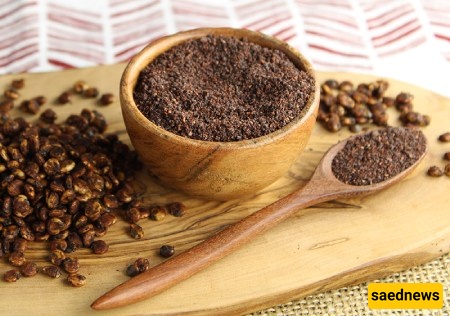
Brown sumac may also fit naturally into a balanced diet because it can add a strong flavor without requiring large amounts.
The source highlights its fiber content and suggests that fiber may support digestion, bowel regularity and feelings of fullness. Those characteristics have led to interest in sumac as a possible aid in weight-management diets.
Its potential cardiovascular benefits have also been discussed. The source points to compounds that may influence cholesterol and oxidative stress, suggesting a possible role in supporting cardiovascular health.
Again, these potential effects should not be confused with a proven treatment for heart disease.
Brown sumac has a long traditional history. The source notes that Indigenous American communities used different parts of sumac in traditional preparations, including medicinal teas, gargles and topical applications.
Tea made from sumac bark was traditionally used for complaints such as diarrhea and sore throat. Preparations made from the leaves were also used as mouth rinses for oral sores, while dried and powdered bark was traditionally applied to wounds.
The plant has also been associated in traditional medicine with respiratory and infectious conditions. Historical use, however, does not automatically establish modern clinical effectiveness, and such applications should be distinguished from evidence-based medical treatment.
Its culinary appeal remains one of the strongest reasons to keep brown sumac around.
The spice can be sprinkled over kebabs, vegetables and salads, or incorporated into sauces, pickles and other preparations. Its sour, citrus-like flavor can brighten rich foods and add complexity without making a dish overly heavy.
The source also describes traditional methods of producing flavored oil or vinegar from sumac. The plant material can be boiled, strained and pressed, with the resulting essence combined with olive oil or vinegar.
Despite its potential benefits, more is not necessarily better.
Excessive consumption may cause digestive discomfort, including nausea, vomiting or diarrhea. Some people may also experience allergic reactions, including itching, redness, swelling or hives.
Pregnant and breastfeeding women are advised in the source to consult a physician before using brown sumac for medicinal purposes.
Most importantly, sumac should be regarded as a food and spice rather than a substitute for prescribed medical care. Claims about cancer, diabetes, infections, high blood pressure or other serious conditions remain areas where evidence must be evaluated carefully.
For everyday cooking, however, brown sumac offers something simpler: a distinctive sour flavor and a plant-based source of bioactive compounds that continues to attract scientific and traditional interest.
That combination may explain why this humble spice has remained relevant for so long. Whether used to finish a plate of kebab, sharpen a salad or explore traditional culinary recipes, brown sumac is a reminder that some of the most familiar ingredients can have surprisingly rich histories.