SAEDNEWS: In this article, we explain the best methods for storing dry and brewed saffron. Saffron is a valuable and expensive spice, so proper storage is very important. Here, we will introduce the most effective ways to preserve saffron’s aroma, flavor, and quality.
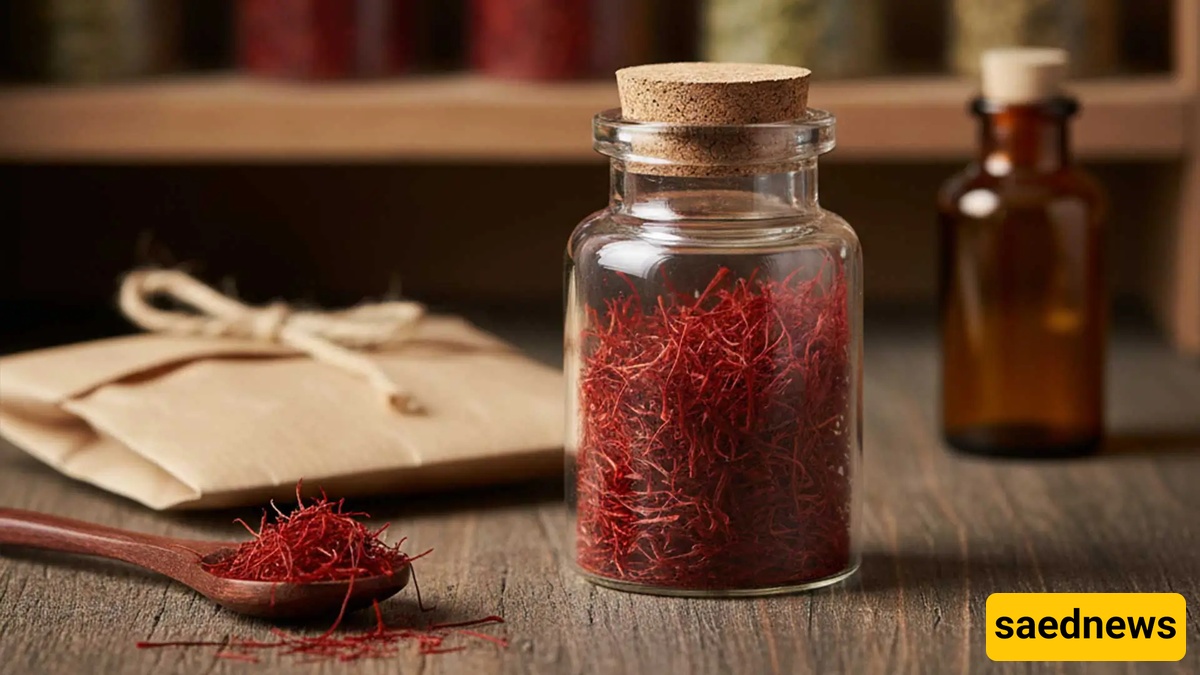
According to SAEDNEWS, Saffron is the most expensive spice in the world. Many people use saffron to add flavor to their meals, while many others use it because of its unique and powerful medicinal properties. That is why proper saffron storage is extremely important.
Compared with other spices, saffron has a relatively long shelf life. Therefore, buying it in bulk can be a good option, provided that you can prevent it from losing its quality or spoiling.
However, every product has a specific expiration period, and saffron is no exception.
Following proper storage practices can help extend saffron’s shelf life and preserve its beneficial properties. Proper storage is highly important because saffron’s essential oils, aroma, and fragrance play a key role in maintaining its quality and effectiveness. In other words, the more saffron loses its essential oils and aroma, the more its value and performance decrease. Therefore, it is essential to follow the correct storage methods and maintain proper conditions when storing saffron. To maximize its shelf life, here are some of the best tips for storing saffron.
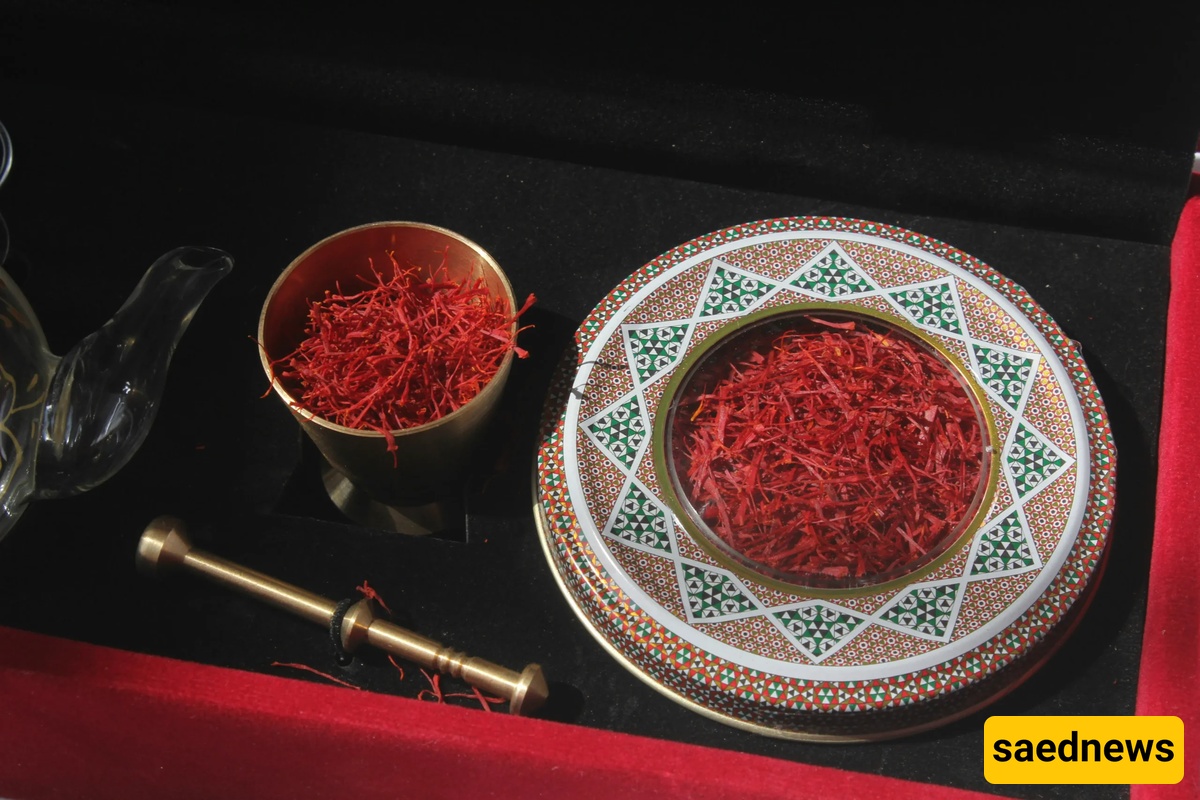
If you have purchased fresh saffron threads, the first step in preserving them is to dry them properly. The drying process is simple: place the saffron threads between paper towels and keep them in a warm, dry place. After about a week, transfer the dried threads to a suitable container.
When storing saffron in bulk, consider the following tips:
Storage environment: Keep saffron in a completely dry, dark, and cool place. Never expose saffron to direct sunlight, as it can reduce its color, aroma, and overall quality. Store saffron in glass or metal containers inside a cabinet. Wooden cabinets are preferable because metal cabinets can become hot during summer. The best place to store saffron is a dark and cool area where it is protected from both natural and artificial light.
Storing saffron in the refrigerator is a common mistake because high-quality saffron can absorb moisture when kept in the fridge. If you store saffron in the refrigerator, only remove the amount you need and immediately return the container to the fridge to minimize moisture exposure.
Temperature and humidity: The ideal temperature for storing saffron is around 20 degrees Celsius, and the humidity level should be below approximately 40 percent.
Preserving aroma: Keeping saffron in a sealed environment helps maintain its pleasant aroma and fragrance.
Protection from insects: The storage area should be protected from insects and rodents.
Grinding saffron: To preserve its quality, grind saffron into powder only when you are ready to use it.
Packaging: Make sure the container used for storing saffron is tightly sealed to prevent the loss of aroma and preserve its beneficial properties.
Saffron should be stored separately from other spices because of its strong aroma, which can affect the smell and flavor of other spices.
Grinding saffron is very easy. You can use any suitable tool available at home to grind saffron. However, using a wooden tool for grinding saffron is recommended. After grinding, crush the saffron into smaller pieces so that it can be used more effectively. If you purchase saffron in nylon packaging, you can first crush it with a spoon and then grind it into powder.
If you notice that the saffron is not completely dry, you should dry it before grinding. To dry saffron, you can use an oven or a gas flame. However, make sure to avoid excessive heat, as it may burn the saffron and reduce its beneficial properties.
If you want to store saffron in the refrigerator, pay attention to the following tips:
Saffron should be brewed first, and then the brewed saffron should be frozen for long-term storage.
Brewed saffron should not be kept in the refrigerator for more than a few days. Otherwise, it may lose its color and develop an unpleasant taste and smell.