SAEDNEWS: Kashk-e Laboo, also known as Kashk and Laboo, is one of the most vibrant, distinctive, and beloved winter dishes in Iran. This beautifully colored traditional food is especially popular in Arak and many other Iranian cities, where it is enjoyed by many people during the cold season.
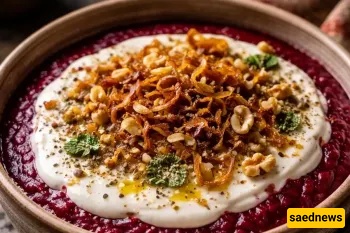
According to Saednews, Beetroot Kashk is a traditional and flavorful dish from Arak, Iran. It brings back memories of cold winter nights and the foods commonly prepared during Chaharshanbe Suri, the Persian fire festival. This simple yet nutritious dish is made with cooked beetroot, thick kashk (a fermented dairy product), fried mint, and caramelized onions. Below is the step-by-step method for preparing this delicious traditional recipe.
3 medium-sized cooked beetroots
1 cup thick kashk
1 large onion
2 cloves of garlic
2 tablespoons dried mint
2 tablespoons chopped walnuts
Salt and pepper as needed
Cooking oil as needed
How to Prepare Beetroot Kashk
First, wash the beetroots thoroughly and peel them. Cut them into smaller pieces and place them in a pot with an appropriate amount of water. Add a little salt to enhance the flavor.
Cook the beetroots over medium heat for about 30 to 45 minutes until they become tender. Once cooked, blend them using a hand blender or food processor until they become a smooth puree. Strain the puree to create an even and smooth base for the dish.
Heat some oil in a suitable pan and sauté the finely chopped onion until it becomes golden and fragrant. Add grated garlic and, if desired, a small amount of turmeric.
Continue frying for about 30 seconds until the aroma develops. If using walnuts, chop them and add them at this stage. Lightly toast them until slightly crispy. This step creates the main aroma and flavor foundation of the dish.
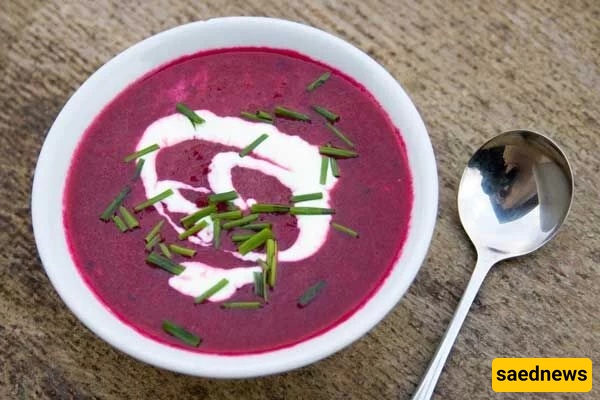
Add the beetroot puree to the pan and mix everything well. Allow the mixture to cook for a while so the flavors of beetroot, fried onion, and garlic blend together.
Then add dried mint, salt, and pepper according to your taste. Cook the mixture on low heat for about 10 minutes until excess liquid evaporates and the flavors become richer.
In the final step, once the beetroot mixture has thickened and developed its flavor, reduce the heat to very low. Gradually add the kashk while continuously stirring to prevent it from separating.
Transfer the Beetroot Kashk into a serving dish. Garnish with chopped walnuts and fried mint, then serve it during Chaharshanbe Suri celebrations.
Tip 1: If the kashk is added while it is very hot, it may separate or form lumps. Always add it at the end of cooking.
Tip 2: If the kashk is too thick, dilute it with a small amount of beetroot cooking water, plain water, or yogurt before adding it to the dish.
Additional Tips for Making Beetroot Kashk
Beetroot Kashk is a beloved traditional appetizer from Arak. By following a few simple techniques, you can make this dish even more delicious and memorable.
The timing of adding walnuts affects both the texture and flavor of the dish.
If you prefer walnuts to have a crunchy texture and a stronger roasted aroma, sauté them from the beginning along with onions and garlic. This allows the walnuts to become lightly toasted and release their natural flavor.
However, if you prefer softer walnuts that simply complement the texture and taste, add them near the end of cooking along with the cooked beetroot and dried mint. This way, they receive gentle heat while maintaining their freshness.
Kashk is one of the essential ingredients in this traditional Arakian dish. It plays an important role in creating the unique taste and texture of Beetroot Kashk.
Besides adding a distinctive sour and creamy flavor, kashk enriches the nutritional value of the dish. For the best result, use thick homemade sour kashk. Add it at the end of cooking over low heat to prevent curdling and achieve a smooth, balanced flavor.
Beetroot Kashk: The Famous Chaharshanbe Suri Dish of Arak
This traditional Iranian dish combines the sweetness of beetroot, the richness of kashk, the aroma of mint, and the warmth of fried onions. Beetroot Kashk remains one of Arak’s memorable winter foods and a special dish enjoyed during the celebrations of Chaharshanbe Suri.