SAEDNEWS: To make your pasta more delicious, it is important to keep a few key tips in mind while cooking.
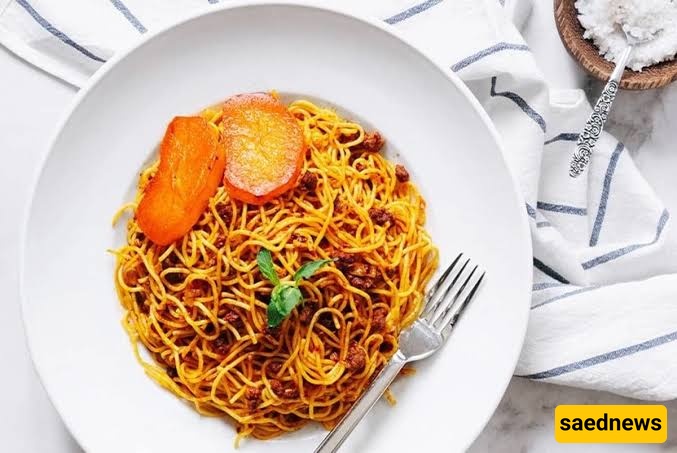
According to Saednews, Many people love pasta and already know how to prepare a delicious meal. However, a few simple techniques can make your pasta even more flavorful, improve its texture, and create a more satisfying dish. Here are practical tips to help you cook better pasta every time.
After boiling, rinse the pasta briefly with cold water if your recipe requires it. This helps remove excess surface starch, making the pasta less sticky and allowing the sauce to coat it more evenly.
Pasta strands can stick together during cooking. Stir the pasta gently with a fork or spoon during the first few minutes of boiling to keep the pieces separated.
A heavy-bottomed or cast-iron pot distributes heat more evenly and reduces the risk of burning the crispy bottom layer, a favorite feature of many traditional pasta dishes.
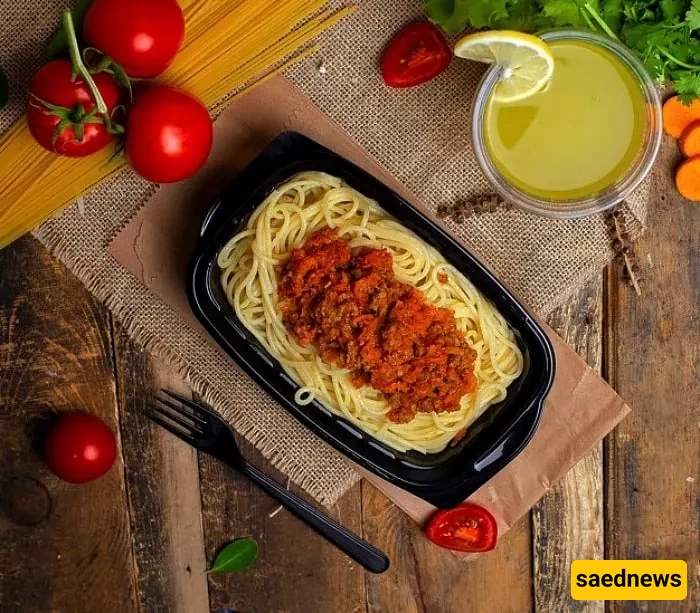
Adding salt, a small amount of oil, and a pinch of turmeric to the boiling water can enhance the pasta's color and flavor while helping reduce sticking.
A spacious pot gives pasta enough room to move freely while cooking, preventing the starch from causing the noodles to clump together. As a general guide, use about 4 liters (1 gallon) of water for every 450 grams (1 pound) of pasta.
A small amount of brewed saffron can give pasta a beautiful golden color and a rich aroma, making the final dish more appealing.
Instead of powdered ginger or cinnamon, use freshly grated ginger and whole cinnamon sticks for a more natural aroma. If using fresh ginger, soak it in water for about an hour before adding it to the sauce.
Garlic and bell peppers add depth, sweetness, and aroma to pasta sauce, making it richer and more flavorful.
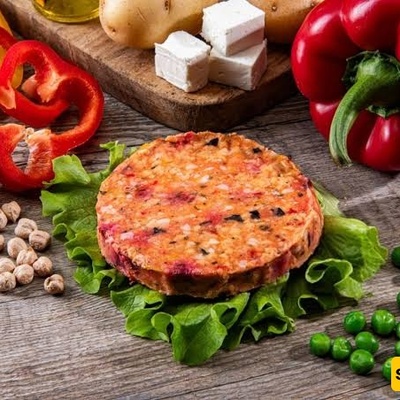
If using soy protein instead of meat, sauté plenty of onions first. Then add the soaked soy protein to improve its flavor and reduce any unwanted odor.
Soak soy protein in water or milk for several hours before adding it to your pasta sauce. This improves its texture and allows it to absorb flavors more effectively.
When preparing layered pasta dishes, create thin, even layers. This makes the ingredients easier to combine and helps distribute the sauce more evenly throughout the dish.
Thin pasta varieties generally cook faster, contain less surface starch, and are less likely to stick together during cooking.
For a crispy potato layer, lightly fry potato slices in olive oil first. Sprinkle a small amount of sesame seeds on the bottom of the pot before arranging the potatoes. This creates a flavorful, crunchy base.
Although stirring is important to prevent sticking, stirring too often can break the pasta and make it soft or mushy. Stir only occasionally during cooking.
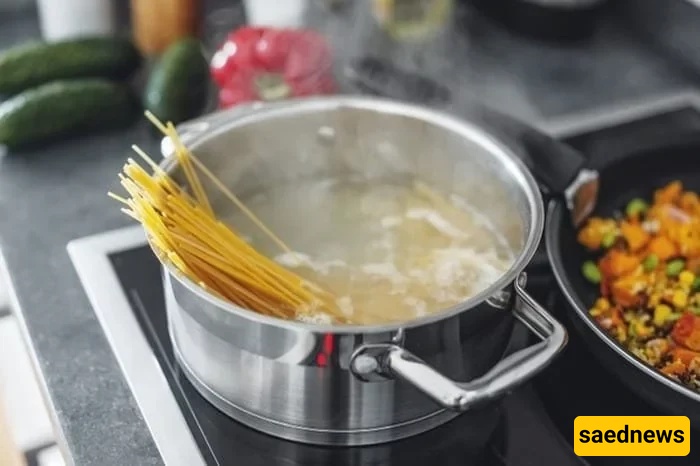
Before draining the pasta, reserve a small amount of the cooking water. Add it to the sauce or during the steaming stage to improve consistency and help the sauce cling to the pasta.
A small splash of lemon juice in the boiling water can add a subtle brightness to the pasta and enhance its overall flavor.
Finish your pasta with ingredients such as grated Parmesan cheese, cooked chicken, sausage, or other favorite toppings. These additions increase richness and make the dish more satisfying.
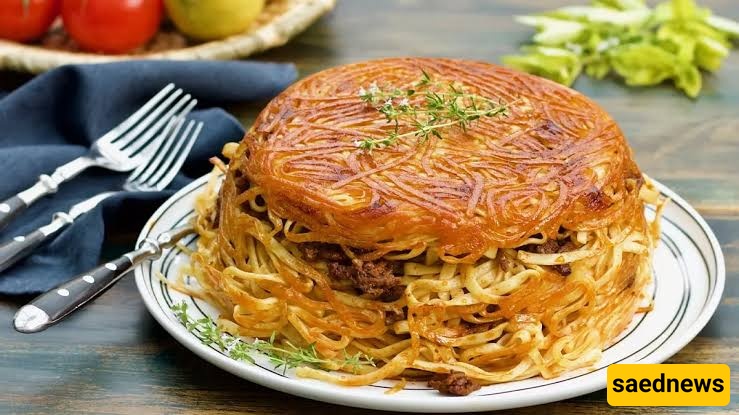
Great pasta comes from paying attention to small details. Using enough water, seasoning properly, preparing a flavorful sauce, and choosing quality ingredients can significantly improve the final result. Whether you prefer a simple pasta recipe or a more elaborate dish, these easy cooking tips will help you create a meal with better flavor, texture, and presentation.