SAEDNEWS: Both halva ardeh and halva shekari are made from peeled sesame tahini, which is why they share many common nutritional properties and benefits. However, they also differ from each other in several aspects.
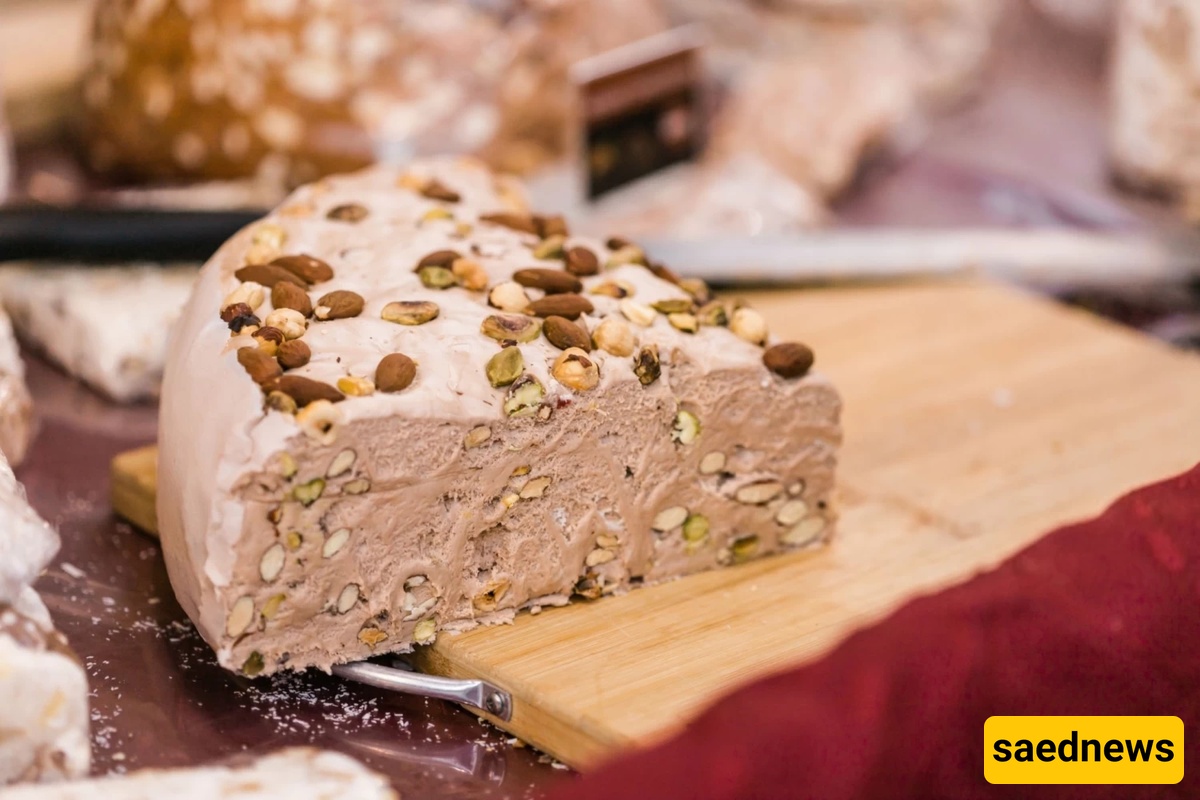
According to Saednews, Sesame seeds are highly nutritious and rich in various vitamins and beneficial nutrients for health. Products made from this highly valuable seed also benefit from all of these properties. Among these valuable products are halva ardeh and halva shekari, which many people confuse with each other. In this article, we will become more familiar with the differences between halva ardeh and halva shekari, two delicious and nutritious sesame-based products. Stay with us until the end.
Halva ardeh is a very nutritious food made from sesame paste (tahini). Because this food is rich in energy, it is recommended to consume it especially at breakfast to help provide the body’s required energy throughout the day.
Ardakan in Yazd Province is the largest producer of halva ardeh in Iran. Some attribute the historical origins of halva ardeh production to the time of Sheikh Baha’i, while others, based on documented evidence, link its production to before the Qajar era.
To prepare this nutritious product, tahini is mixed with ingredients such as sugar, cardamom, egg, and chalk-like additives (chubak). In making halva ardeh, sesame that has been peeled and ground is used to produce a high-quality and uniform texture.
Halva ardeh is a highly nutritious food made from sesame paste.
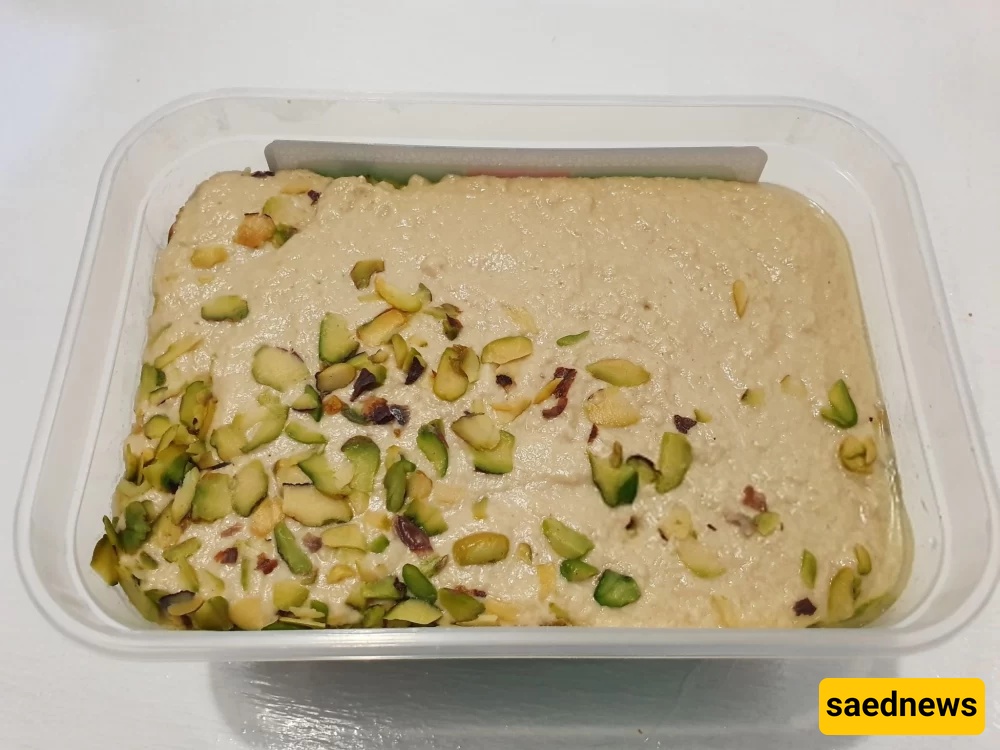
To make halva ardeh healthier and more nutritious, various plant syrups can be used instead of sugar. In the past, when sugar was not available, grape molasses was used.
Some of the main benefits of halva ardeh include:
Highly nutritious and energy-rich for children and the elderly
Beneficial for bone and dental health
Helps treat anemia and iron deficiency
Useful during menstruation
Helps improve liver and kidney function
Reduces body weakness and lethargy
Helps prevent heart diseases
Regulates blood cholesterol
Relieves constipation
Halva shekari is a product made from sesame paste (tahini). In its preparation, ingredients such as sugar, citric acid, chubak, and liquid glucose are used. It is produced by mixing tahini with this syrup and kneading it.
The texture of halva shekari is solid, uniform, and string-like. Due to its warm nature, it is recommended for people with a cold temperament. It is mostly consumed at breakfast and has many of the benefits of sesame paste.
This nutritious food is rich in vitamins B, D, and E. It also contains proteins, lecithin, and both saturated and unsaturated fatty acids. Each gram of halva shekari contains about 5 calories and up to 30% fat.
Its nature is warm and moist, making it beneficial for people with a cold temperament. Some of its benefits include:
Rich in energy and highly nourishing
Helps reduce body swelling
Improves memory and learning ability
Relieves joint pain
Provides essential fatty acids
Helps remove blockages in body organs
Strengthens the nervous system and improves brain function
Helps treat anemia and iron deficiency
Beneficial for people with a cold temperament
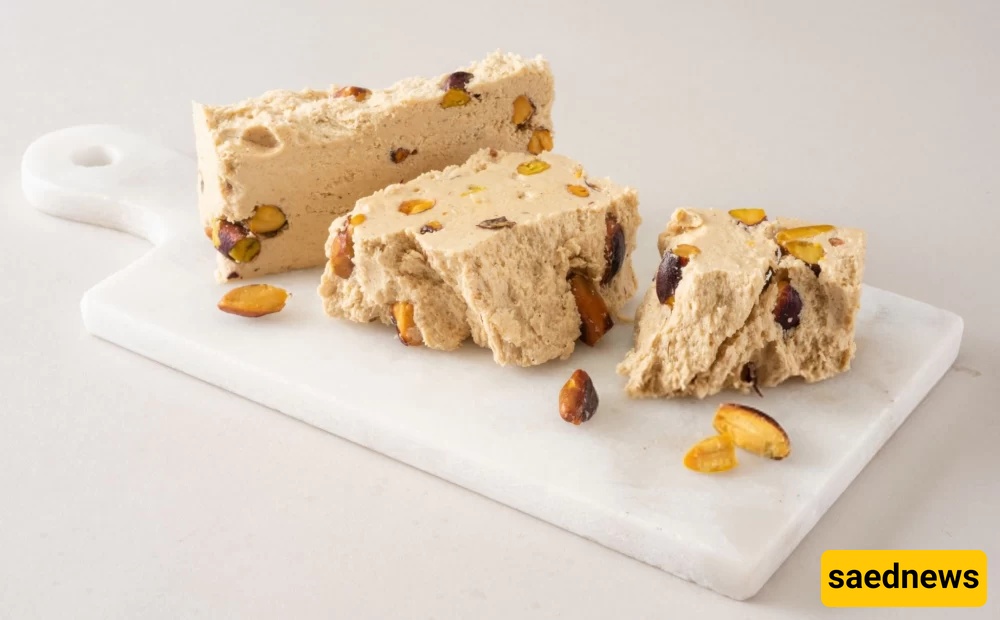
Both halva ardeh and halva shekari are sesame-based products with many fans. Since both are made from sesame and tahini, they are highly nutritious and have high food value. However, there are some differences between them.
Halva shekari has a slightly firmer texture than halva ardeh. This is due to differences in the sweetening agents used. As a result, halva ardeh is generally softer.
Halva shekari is sweeter than halva ardeh because it contains more sugar. In addition, some additives are used in halva shekari to stabilize the sugar during storage, which slightly changes its flavor compared to halva ardeh.
Due to added ingredients in halva shekari, its fat and oil content is lower, which results in lower energy value compared to halva ardeh.
Halva ardeh naturally releases sesame oil when left standing. This oil contains all the properties of sesame oil and gives the product a softer texture. It can also be used for cooking or frying.
In contrast, halva shekari is formulated with additives to prevent oil separation and maintain a more compact texture.
Halva ardeh and halva shekari are both nutritious sesame-based products, each with its own characteristics, taste, and texture. Both are valuable foods with high energy content and health benefits, but they differ in preparation, sweetness, texture, and oil content.