SAEDNEWS: Crème Catalana is one of Spain’s most authentic desserts, made with milk, egg yolks, and natural flavorings. In this article, we teach you how to prepare this elegant dessert step by step.
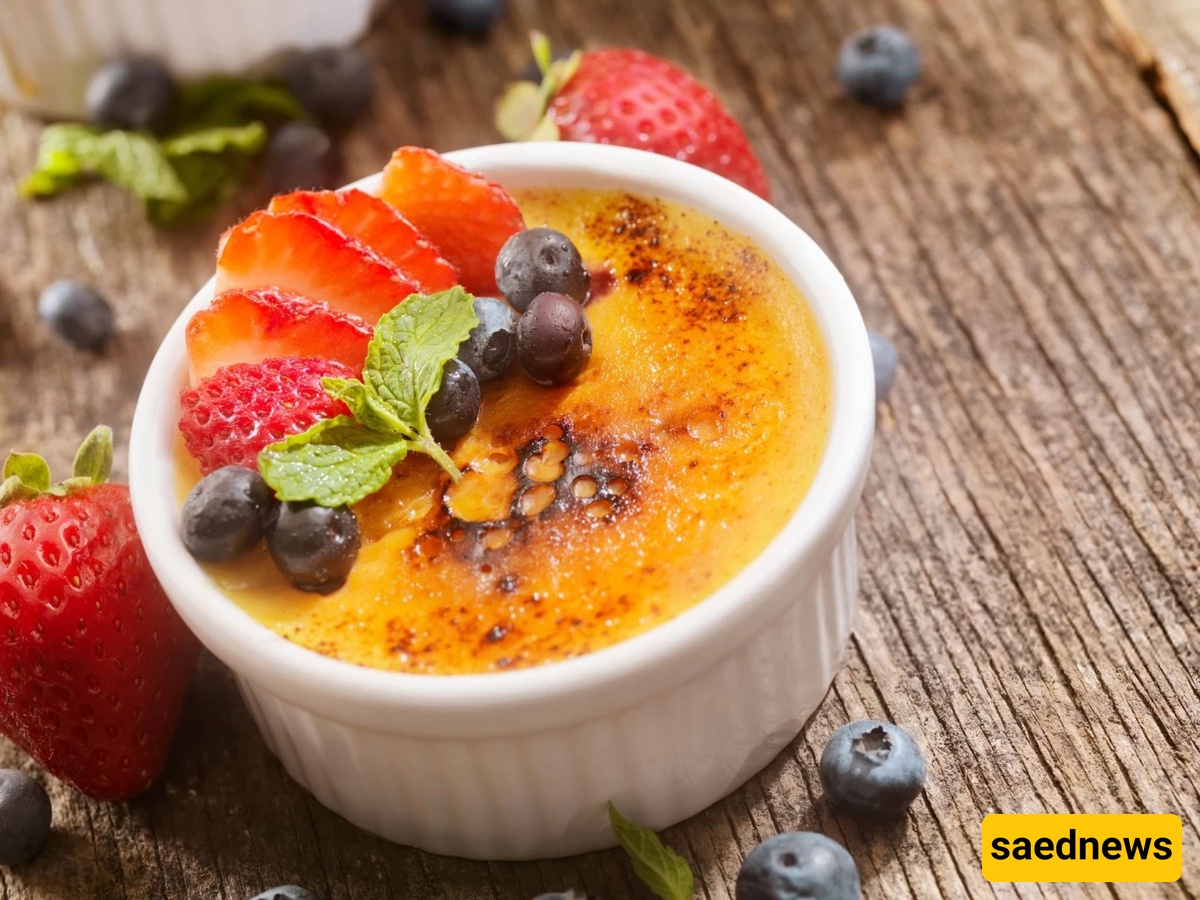
According to Saednews, Spanish desserts have always held a special place in the world of confectionery due to their rich flavors, delicate textures, and deep cultural heritage. Among these beloved desserts, Crema Catalana is one of the most iconic and traditional sweets from the Catalonia region in northeastern Spain. This delicious dessert, which closely resembles French crème brûlée, offers a soft, creamy texture topped with a crisp caramelized sugar layer, creating an unforgettable experience for the palate.
Crema Catalana dates back to the Middle Ages. It was originally prepared in monasteries and churches and later became a symbol of Spanish cuisine. Unlike crème brûlée, it is traditionally made with milk instead of heavy cream and flavored with lemon peel, cinnamon, and sometimes orange blossom essence. In this article, you will learn how to prepare Crema Catalana step by step in a professional way so you can make this elegant dessert at home.
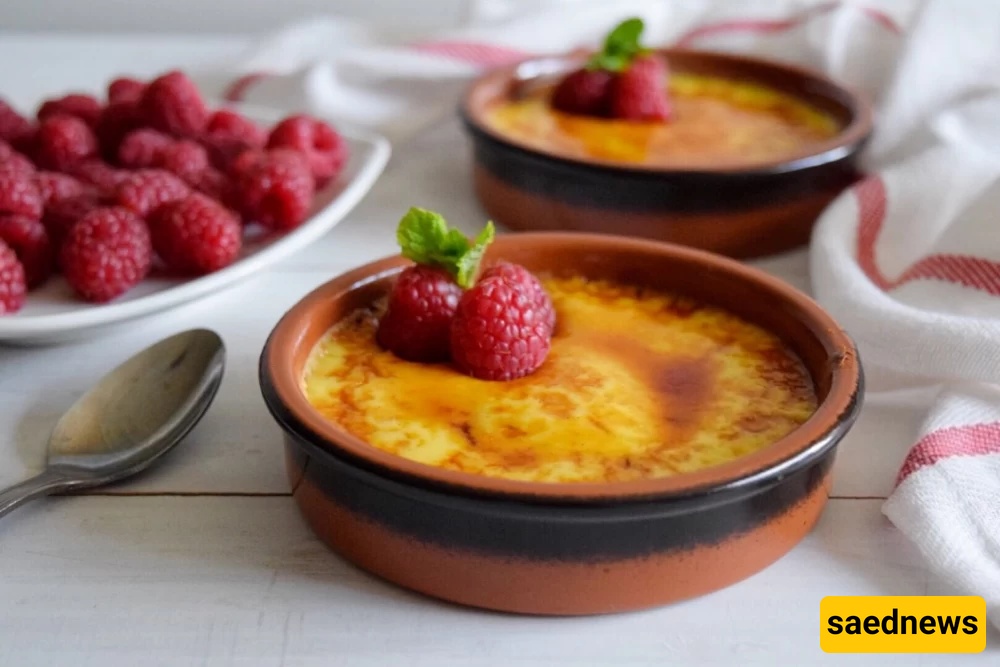
Crema Catalana, also known as “Crema de Sant Josep,” originates from Catalan culinary traditions. Historical records show that early versions of this dessert appeared in 14th-century Catalan cookbooks. Traditionally, it is served on Saint Joseph’s Day (March 19), which is also celebrated as Father’s Day in Spain.
Main ingredients:
Whole milk: 1 liter (preferably full-fat for a richer texture)
Egg yolks: 8 (fresh, at room temperature)
White sugar: 150 g (for custard) + 4 tablespoons (for caramelizing)
Cornstarch: 40 g (about 3 tablespoons)
Lemon peel: from 1 large lemon (avoid the white bitter part)
Orange peel: from 1/4 orange (optional)
Cinnamon stick: 1 (about 5 cm)
Vanilla: 1 teaspoon vanilla extract or 1/2 vanilla pod
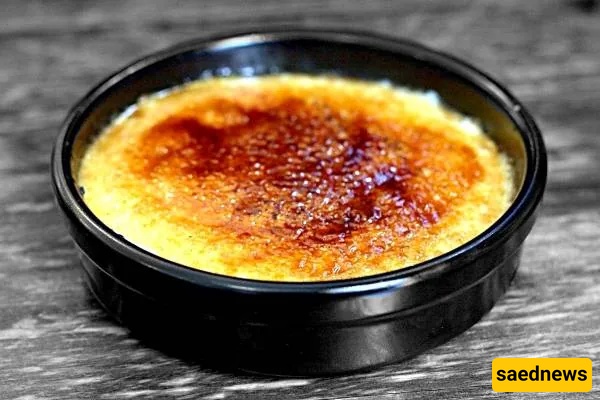
Milk: Full-fat milk (3.5% fat) ensures a creamy texture. Low-fat milk may result in a watery dessert.
Egg yolks: Must be fresh and at room temperature for better emulsification.
Cornstarch: Essential for thickening. Do not replace with wheat flour.
Citrus: Use organic lemon and remove only the outer zest to avoid bitterness.
Pour milk into a medium saucepan.
Add lemon peel, orange peel (if using), cinnamon stick, and vanilla.
Heat over medium heat until small bubbles form around the edges.
Remove from heat immediately (do not boil).
Let it steep for 15–20 minutes to absorb flavors.
Pro tip: Avoid boiling the milk to prevent bitterness and scorching.
In a large bowl, whisk egg yolks with 150 g sugar.
Whisk for 3–4 minutes until pale, thick, and creamy.
Sift in cornstarch and mix until smooth.
Important: Do not overmix, as it may damage the egg structure.
Strain the infused milk to remove solids.
Reheat gently (do not boil).
Add a small amount of warm milk to the egg mixture gradually (tempering).
Repeat 2–3 times.
Slowly pour the egg mixture back into the saucepan, stirring continuously.
Cook over low heat.
Stir constantly with a wooden spoon or silicone spatula.
After 8–10 minutes, the mixture will thicken.
It is ready when it coats the back of a spoon.
Do not let it boil, or it may curdle.
Remove from heat once thickened.
Pour custard into individual serving dishes (traditionally clay ramekins).
Cool at room temperature for 30 minutes.
Cover with plastic wrap directly on the surface.
Refrigerate for at least 4 hours (preferably overnight).
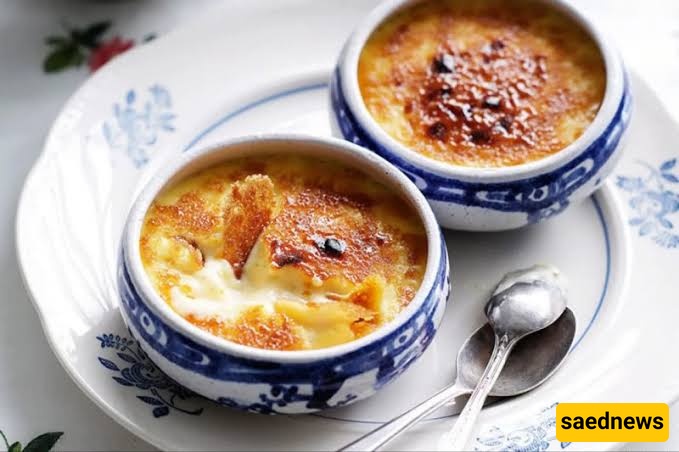
Remove chilled custard from the fridge.
Sprinkle a thin layer of sugar on top.
Use a kitchen torch:
Hold 5–7 cm away from surface.
Move in circular motions until golden caramel forms.
Do not burn; aim for light amber color.
Preheat oven grill to 200°C.
Place ramekins on top rack.
Heat for 2–3 minutes until sugar caramelizes.
Ensure custard does not warm up.
Use room-temperature ingredients for smooth texture.
Always strain the custard for extra silkiness.
Chill for at least 4 hours for proper setting.
Caramelize sugar just before serving to maintain crisp texture.

Flavor ideas:
Coffee Crema Catalana: Add 2 tbsp instant coffee to milk
Chocolate version: Melt 50 g dark chocolate into hot milk
Coconut version: Replace half the milk with coconut milk
Saffron version: Add a few saffron strands
Decoration ideas:
Fresh berries (strawberries, raspberries, blueberries)
Crushed pistachios
Mint leaves
Drizzled caramel sauce
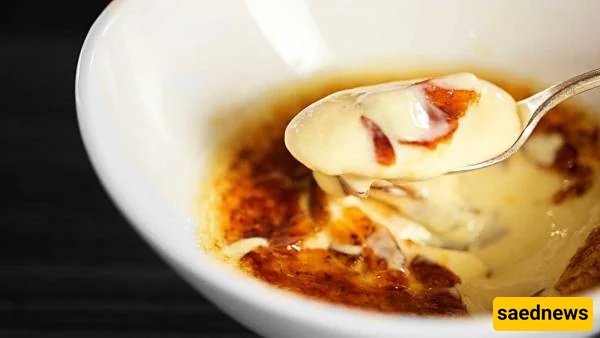
Crema Catalana is a traditional Spanish dessert that is both elegant and delicious. With its silky custard base infused with citrus and cinnamon, and its signature caramelized sugar crust, it offers a unique dessert experience.
Although it may seem complex, it is actually quite simple to prepare at home with careful attention to technique. The key steps include flavoring the milk, properly tempering the egg yolks, cooking gently over low heat, and chilling thoroughly before caramelizing.
This dessert is perfect for dinner parties, festive occasions, or special gatherings. By following this guide, you can create an authentic Crema Catalana and bring the taste of Spain to your table. Enjoy!