SAEDNEWS: Fennel and cumin are very similar, which is why many of us confuse these two. Join us on Delgarm to learn more about cumin and fennel.
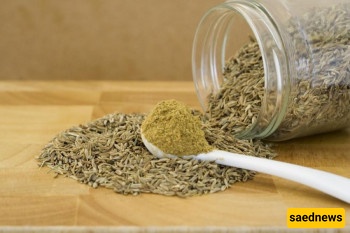
According to Saednews, Fennel, also called “badiane” or “bādiyān,” is a flowering plant belonging to the order Apiales, the family Apiaceae (parsley family), and the genus Foeniculum.
This plant is rich in compounds similar to the female hormone estrogen (phytoestrogens) and has a warm nature. Fennel is native to Southwest Asia and Southern Europe, especially the Mediterranean region.
Fennel originates from the Mediterranean Sea, and the culture of this region has long used fennel in cooking and medicine.
Fennel has not spread and naturalized widely across the world; instead, it mainly grows in coastal climates and along rivers. Fennel is also one of the components related to benzyl alcohol, although it does not have hallucinogenic properties.
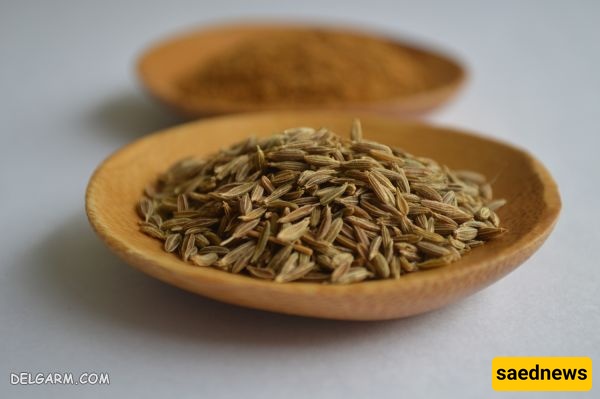
Cumin is an aromatic, anti-bloating seed used in cooking and medicine. It exists in two main types: green cumin (Cuminum cyminum) and black cumin (Carum carvi), the latter being known as “Iranian cumin.”
Cumin seeds are ground using a stone or wooden grinder. This seed grows wild in Afghanistan, Iran, Uzbekistan, Tajikistan, Turkey, Morocco, Egypt, India, Cuba, Syria, Mexico, and Chile. It does not grow wild in Palestine, although it was cultivated there in the past.
The cumin plant resembles a carrot bush. Its leaves are 20–30 cm long, and the plant height is about 50 cm. Its fruit (commonly called a seed) is about 2 mm in size, crescent-shaped, and has five ridges.
The highest production of cumin in Iran is in Kerman. The best and highest-quality cumin comes from Bafq County in Kerman Province, where it grows naturally.
No. Cumin and fennel are two completely different plants. As explained above, they differ in appearance, color, properties, and even growing regions.
Although cumin and fennel may look somewhat similar, they are fundamentally different. Each has its own distinct medicinal properties.
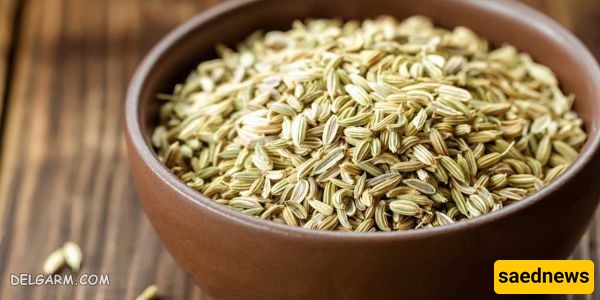
Cumin has different varieties, including green and black cumin. It is widely used not only as a spice in Iranian cuisine, giving food a pleasant flavor, but also for its medicinal benefits.
Its seeds are known for their therapeutic value and are used as a digestive aid.
It is also said to help with the common cold, anemia, insomnia, respiratory disorders, and more. Its nutritional value is extremely high.
Every 100 grams of cumin contains a large amount of vitamins and minerals, including iron, calcium, magnesium, manganese, phosphorus, sodium, and zinc.
Fennel is a medicinal plant with many benefits, including anti-aging effects, cancer prevention, weight loss, treatment of digestive and hormonal disorders, and prevention of osteoporosis.
Researchers at the New Delhi Institute of Pharmaceutical Research found that fennel can help reduce eye pressure and dilate blood vessels.
Cumin and fennel are different plants with different properties and uses.