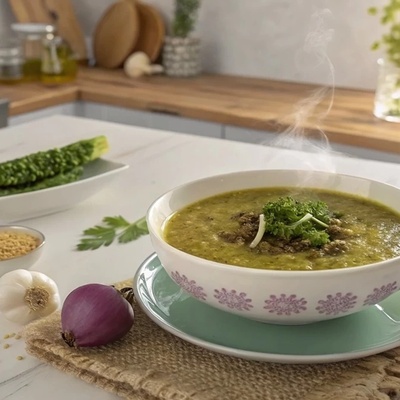
SAEDNEWS: You might think that Indians only use chili peppers or spices that make food hot and spicy, but in reality, India is a land of spices that you may have never even heard of.
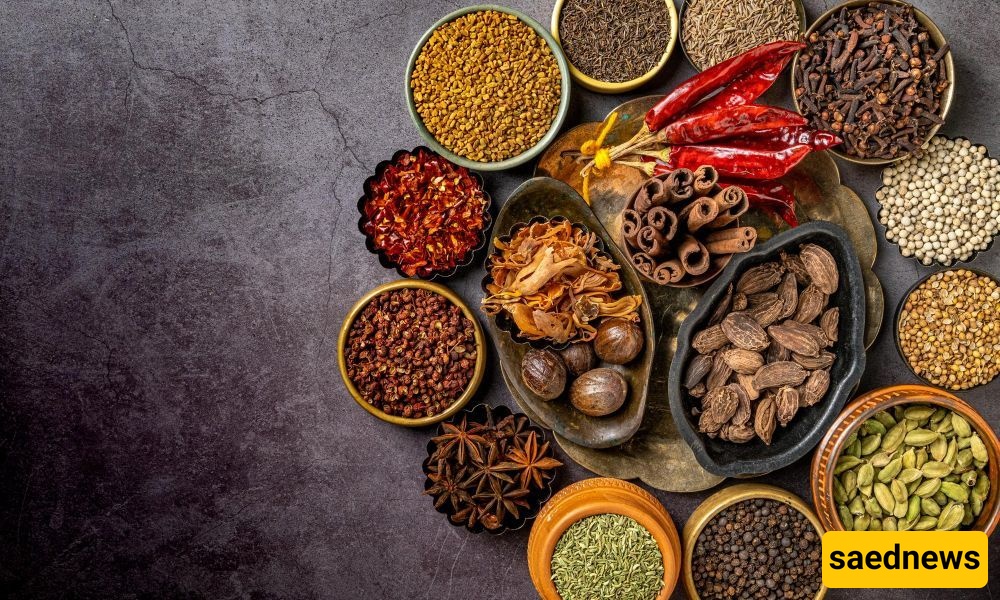
According to Saednews, Indian spices are familiar to all of us—spices that are originally from India, yet we often assume they belong to Iran. In reality, spices in their modern form reached Europe, America, and other parts of the world from Asian countries. However, Iran is not the only exporter of these spices. One of the main centers of spice cultivation is India.
The story begins with references found in ancient and sacred Hindu texts, such as the Egyptian papyri and the Vedas. These aromatic, fragrant, and flavorful substances have historically been valued more than precious stones, jewels, and gold. They are among the commodities whose trade has significantly boosted commerce.
In authentic spice blends, you encounter seeds, roots, leaves, flowers, and bark that form the core components of spices. A wide range of flavors—mild, sour, sharp, sweet, warm, spicy, astringent, tangy-sweet, and bitter—along with diverse aromas, are among the unique characteristics of spices. Among them, Indian spices are some of the most famous and reputable flavorings and seasonings in the world. In addition to enhancing the taste of food, they also contribute to maintaining health and well-being.
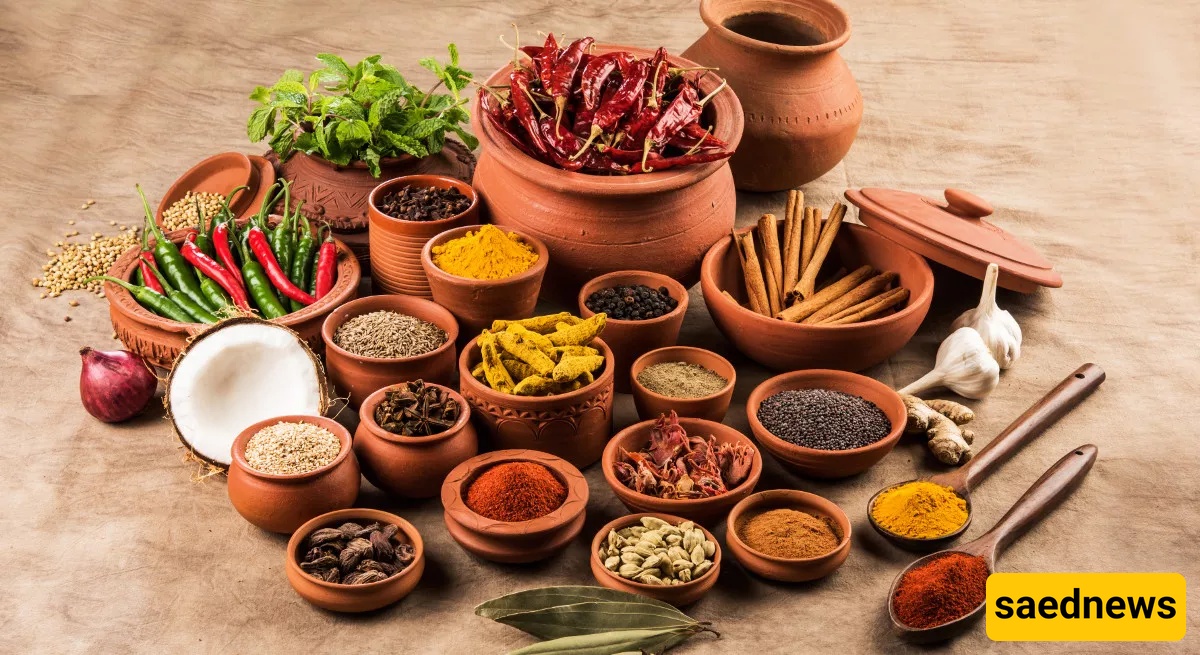
In this section, we introduce 9 popular and widely used Indian spices. Some of them may already be familiar to you, while others might be completely new.
The first Indian spice, whose origin may surprise you, is ginger. It is a completely tropical and aromatic plant that grows annually. Its fragrance is remarkable, and its sharp, spicy taste can influence both your palate and dietary preferences.
Ginger has a yellowish color, which indicates its high fiber content. India is a rich source of ginger, and people there usually peel it before cooking, then grate or finely chop it.
Ginger is commonly used with garlic in desserts, fried potatoes, and sweet dishes.
Health benefits of ginger: It helps treat colds, digestive issues, heartburn, nausea, and vomiting. It is also anti-inflammatory and considered a natural remedy for minor pains such as arthritis and headaches.
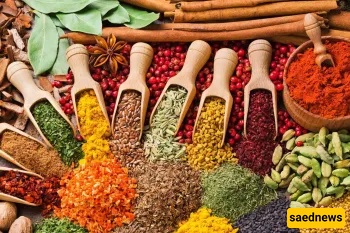
You may not have known that mustard seeds are part of Indian spices and are widely used. Black mustard has a strong and distinctive flavor. However, in India, brown mustard seeds are more popular. Yellow mustard, also known as white mustard, has a very sharp and spicy taste.
It is worth noting that dry mustard powder has no aroma until it is mixed with water, when its flavor and scent become apparent.
To use mustard in cooking, fry the seeds or powder in hot oil at the beginning of cooking, then add other ingredients. Mustard seeds are also useful in salad dressings when mixed with vinegar and oil.
Health benefits of mustard: Mustard seeds are rich in phosphorus, calcium, magnesium, and potassium, and are a good source of vitamins A and folate. They are low in calories but highly nutritious. They also have antibacterial and disinfectant properties.
This spice is commonly used in dishes such as potatoes, chips, and rice. Mango powder is a useful substitute for lemon. It has a pleasant sour taste and is widely used in Indian cuisine.
It is also added to sauces, vegetarian dishes, and desserts. It enhances the flavor of foods such as chickpeas, eggplants, and potatoes.
Health benefits of mango powder: It helps relieve thirst, prevent colds and coughs, and reduce nausea. It is also rich in vitamin A and beneficial for skin and hair. It can even be prepared at home by drying mangoes and grinding them into powder.
Clove is actually a small dried flower bud with a dark brown color. It is a tropical plant with a warm and sweet flavor. It has been used in India for thousands of years.
In addition to cooking, clove freshens breath and relieves tooth pain. It also acts as a mild anesthetic.
Health benefits of clove: It has antibiotic and antiseptic properties, which is why its oil is used in pharmaceuticals and dentistry. It is also used in perfumes, soaps, toothpaste, and mouthwash. It is especially common in meat dishes and soups.
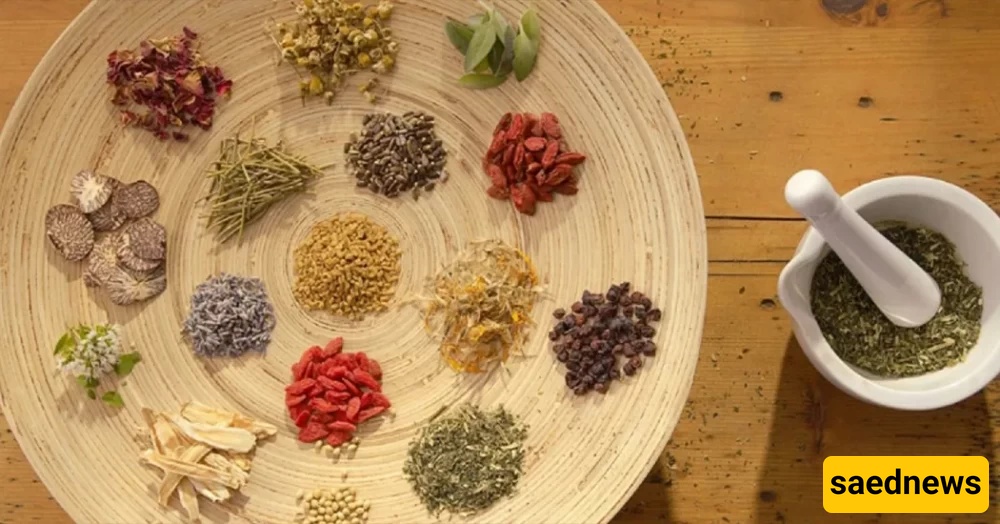
Cinnamon has a sweet aroma and a warm nature. Its fragrance is soothing and relaxing. The best cinnamon is the one with thin bark.
Although powdered cinnamon is widely available, using cinnamon sticks is recommended because they have a stronger aroma and flavor.
Cinnamon is widely used in warm drinks and fruit-based dishes, especially those containing apples. It is also popular in sweet foods. When combined with chicken, it significantly enhances flavor.
Health benefits of cinnamon: It helps regulate blood sugar, prevents colds, controls nausea and vomiting, supports heart health, and has anti-inflammatory and antimicrobial effects. It also boosts metabolism.
Coriander is often mistakenly thought to be native to Iran, but it is actually an authentic Indian spice. It has a unique aroma and flavor. Its leaves are darker than parsley.
Coriander is usually added at the end of cooking to preserve its aroma. Its seeds, leaves, and roots all contribute to flavoring food. Leaves and stems are commonly used in salads.
Health benefits of coriander: It has anti-inflammatory properties, supports liver and bladder health, aids digestion, and reduces bloating. It is also rich in calcium, magnesium, iron, potassium, and fiber.
As the name suggests, this spice originates from India and is one of the most exciting Indian spices. It belongs to the pepper family and ranges from sweet to very spicy varieties. Its bright red color indicates a high content of vitamin A and beta-carotene.
It is commonly used in spicy dishes.
Health benefits of hot pepper: It improves digestion, reduces appetite issues, helps with indigestion and heartburn, and may relieve gas and diarrhea. It is also beneficial for respiratory conditions such as bronchitis, asthma, and cough. It supports skin and hair health and may aid weight loss.
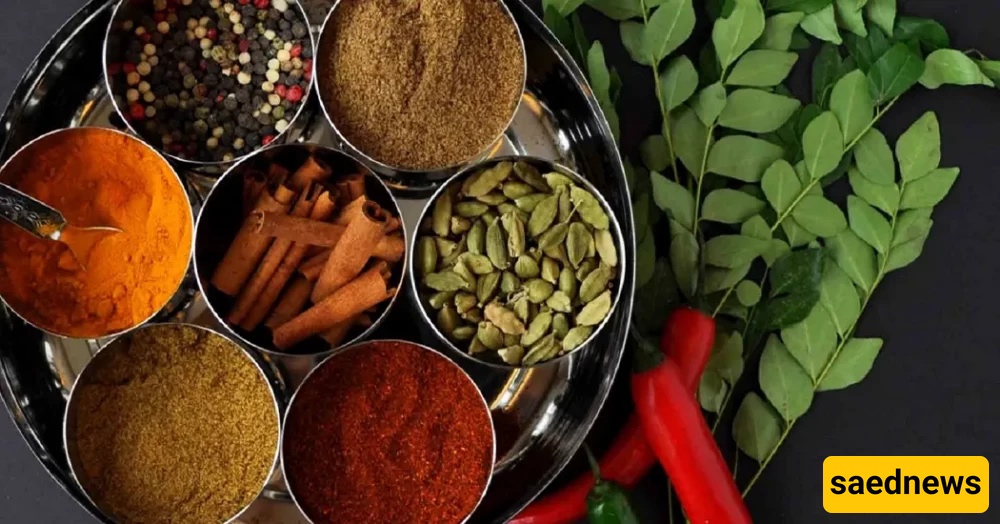
Cardamom belongs to the ginger family and is a tropical seed with a sweet and spicy aroma. It is the third most expensive spice in the world.
Indians love cardamom and use it in almost all dishes, especially desserts and ice cream. It is also used in tea and coffee, and combines well with saffron and almonds.
Health benefits of cardamom: It helps reduce fat, improves skin health, eliminates bad breath, strengthens dental health, reduces muscle spasms, and improves digestion. It is also beneficial for respiratory conditions such as asthma and infections.
Asafoetida is mainly produced in India and distributed in Central Asia. It has a unique and unusual taste and is commonly used in powdered form.
It is widely used in sauces, pickles, doughs, and vegetable dishes. It is also used to flavor dried fruits and fish.
Health benefits of asafoetida: It helps treat respiratory problems such as asthma, bronchitis, and cough, improves digestion, and acts as a strong natural antibiotic and disinfectant. It is also beneficial for stomach infections, jaundice, and vision health.