SAEDNEWS: If you want to learn how to make chicory syrup and also become familiar with the benefits of chicory distillate, as well as its usage precautions, stay with me until the end of this article.

According to Saednews, More than 40% of people in Iran have turned to herbal medicines at least once for liver or digestive issues. One of these herbs, frequently mentioned in traditional prescriptions and even in grandmothers’ kitchens, is chicory (Kāsni). Now imagine a glass of chilled chicory syrup on a hot summer day—it is both refreshing and gives a sense of cleanliness and wellness.
Before going into cooking and ingredients, it is worth becoming familiar with the background and importance of chicory in both traditional and modern medicine.
In ancient medical texts such as Avicenna’s Canon of Medicine, chicory is repeatedly mentioned. Traditional physicians called it the “friend of the liver” and believed that drinking its decoction or syrup could reduce body heat. If you talk to older generations, you will surely hear memories of using this plant during hot summer days.
Chicory has not only been used in Iran. In Indian traditional medicine (Ayurveda), the use of its leaves and roots has also been recommended. Interestingly, even in medieval Europe, it was used to treat digestive disorders. This is perhaps why today chicory root powder and herbal distillates are easily found in health stores.
In Iranian culture, chicory syrup is mostly known as a cooling drink, but its benefits go far beyond that. The plant contains compounds that modern science has also begun to recognize.
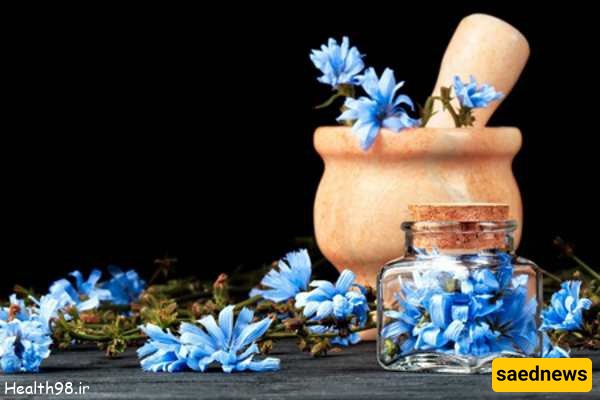
Now that we are familiar with its importance and history, let’s review the ingredients needed to prepare a simple, healthy homemade syrup.
The main ingredients include dried chicory leaves or roots, water, and a natural sweetener such as sugar or honey. If you want a healthier version, honey is preferable to refined sugar. In some southern regions of Iran, a small amount of rosewater is also added for better aroma.
Using honey not only improves the taste but may also enhance the therapeutic properties of the syrup. However, for people with diabetes, it is better to minimize sweeteners or consume it without any added sugar.
This is the most interesting part—where we actually start making the syrup.
First, wash the chicory leaves or roots and soak them in water for a while. This helps reduce excessive bitterness. In personal experience, soaking the root in lukewarm water for a few hours makes the final syrup taste more balanced.
Place the root or leaves in a pot with water and let it boil for about 15 to 20 minutes. The longer it boils, the more concentrated the extract becomes. After boiling, strain the liquid using a fine cloth or strainer.
Once the extract has cooled, add the sweetener. If you like experimenting with flavors, you can also add a bit of fresh lemon juice or rosewater. This creates a taste similar to traditional café-style drinks.
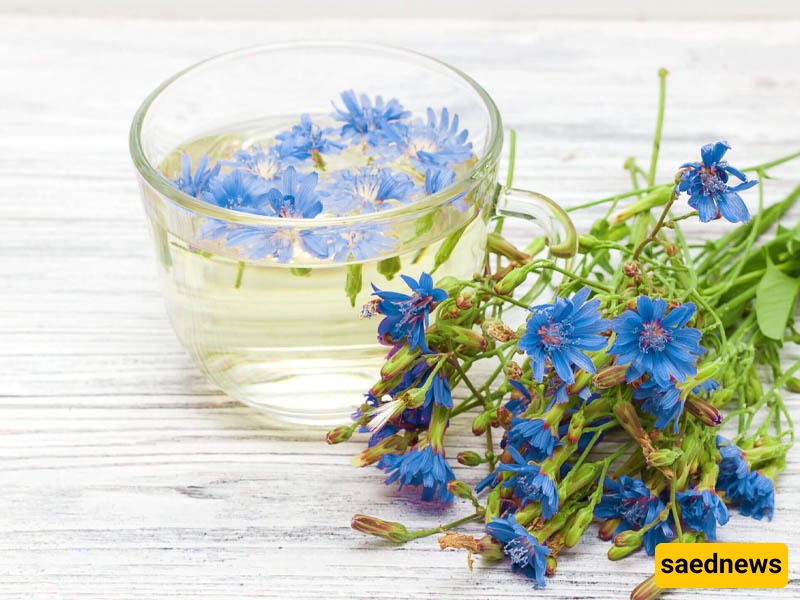
Store the prepared syrup in a glass bottle in the refrigerator. The best consumption time is within 2 to 3 days. Longer storage will reduce quality and alter the taste.
Chicory is not just a simple green plant—it contains active compounds that make it a natural medicinal herb.
The root contains substances such as inulin, lactucin, and lactucopicrin. Inulin is a soluble fiber that plays a key role in improving intestinal function and feeding beneficial gut bacteria. Chicory leaves are also rich in vitamins A and C.
Because of these compounds, chicory syrup is considered beneficial for liver detoxification, improving constipation, and reducing inflammation. Modern physicians may recommend it as part of a healthy diet, but always in moderation.
Now that you know how to prepare chicory syrup, you might be eager to consume it immediately. However, before doing so, consider the following points. Like all herbal remedies, it is a double-edged sword—proper use is beneficial, but excessive consumption may cause issues.
Because chicory has a cooling effect, people with a very “cold body temperament” or those who frequently feel weakness and chills may experience worsened symptoms after consuming it.
Similarly, individuals with chronic low blood pressure, diarrhea, or acute digestive disorders should consume it cautiously.
In summary, if you have any serious underlying medical condition, it is best to consult a doctor before regular consumption.
Some traditional medical texts and modern studies suggest that excessive intake of chicory syrup may increase uterine contractions. For this reason, many specialists recommend that pregnant women avoid regular or high consumption.
A similar caution applies during breastfeeding. Some mothers have reported that their infants experienced colic after breastfeeding. Although this is not conclusive, caution is advised during this period.