Saed News: A large scientific review shows that common kitchen spices and aromatic herbs go far beyond flavoring food and may play a role in improving brain health, regulating blood sugar, reducing inflammation, and supporting gut health.
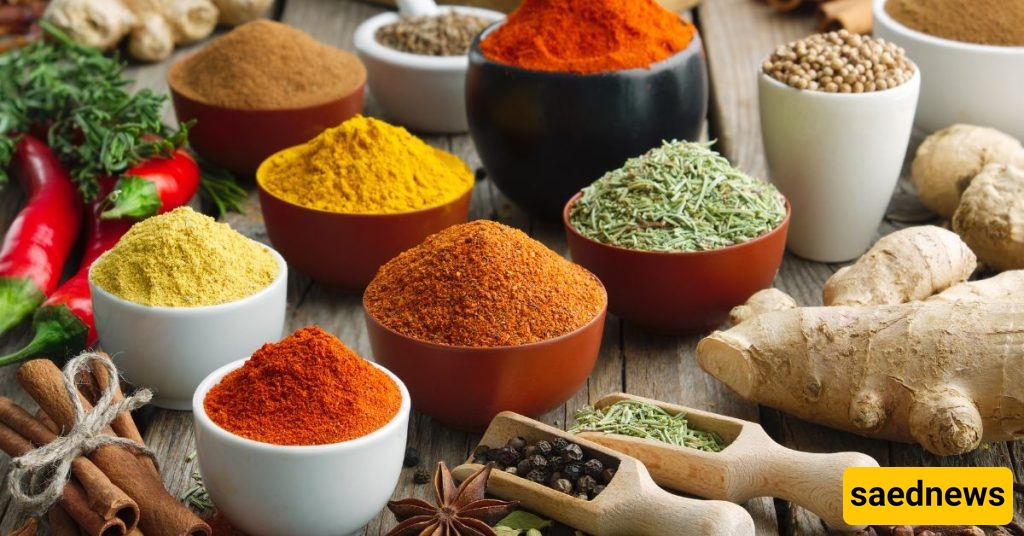
According to SAEDNEWS, researchers reviewed dozens of scientific studies published between 2010 and 2024, particularly research from the UCLA Center for Human Nutrition. They found that active compounds in spices such as cinnamon, turmeric, ginger, chili pepper, thyme, and rosemary can have significant effects on human health.
Spices have been used for centuries not only to flavor food but also for medicinal purposes and food preservation. Today, nutrition experts also recommend them as a way to reduce salt intake and help control blood pressure.
A key reason for their benefits is the presence of polyphenols—compounds that help fight oxidative stress, a major factor in aging and diseases such as diabetes, cancer, and metabolic disorders.
Clinical studies show that cinnamon may improve insulin sensitivity and reduce post-meal blood sugar spikes.
Researchers also observed positive changes in gut microbiome composition in people who consumed cinnamon. It is also known for its anti-inflammatory, antioxidant, and protective effects on the nervous system and liver.
However, researchers emphasize that individuals may respond differently to cinnamon, and it should not replace medical treatment.
Capsaicin, the compound responsible for chili pepper’s heat, may increase thermogenesis—the body’s heat production process—which leads to higher energy expenditure.
Studies suggest it may boost calorie burning after meals and help with weight control. Some sweet peppers also contain similar compounds that may support metabolism without strong spiciness.
Turmeric and its active compound curcumin are among the most extensively studied plant-based compounds in health research.
Some studies show that long-term consumption of highly bioavailable curcumin may improve memory, focus, and mood in older adults.
Researchers also found that curcumin may:
Help reduce arthritis pain
Increase HDL (good cholesterol)
Lower LDL (bad cholesterol)
Reduce inflammation and oxidative stress
Some laboratory studies also suggest a potential role in inhibiting cancer cell growth.
One key finding is the positive effect of spice combinations on the gut microbiome.
A mix of cinnamon, ginger, turmeric, thyme, rosemary, and black pepper may support beneficial gut bacteria and maintain microbial balance.
Using these spices during cooking—especially with meat—may also reduce harmful inflammatory compounds formed during fat oxidation.
Among the studied spices, thyme showed the highest antioxidant capacity.
Researchers also found that many benefits of curcumin remain stable during cooking. Interestingly, combining turmeric with black pepper significantly enhances curcumin absorption and effectiveness.
Scientific evidence suggests that everyday spices are not just for taste. They may support gut health, brain function, blood sugar control, inflammation reduction, and overall metabolic health.
However, experts emphasize that many studies use doses higher than normal culinary consumption. Therefore, spices should not replace medical treatment but can be considered a valuable part of a balanced and healthy diet.