SAEDNEWS: “Kookoo Sabzi” is one of the most popular and widely loved Iranian kookoos. As its name suggests, this delicious dish is made from aromatic herbs.
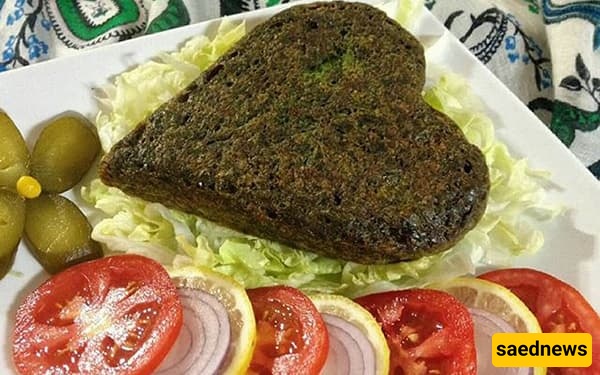
According to Saednews, Kuku Sabzi is one of the most beloved traditional Iranian dishes. It is a fragrant and fresh herb-based mixture combined with eggs, typically pan-fried or baked. Due to its herb-heavy composition, it is considered a healthy and nutritious meal. Traditional additions such as barberries and walnuts enhance its flavor and richness. In this guide, we will walk you step by step through how to prepare kuku sabzi on the stove and reveal several secrets for making it especially delicious.
Kuku Sabzi is typically made from a mixture of aromatic herbs such as parsley, chives, dill, cilantro, and some green onion or leek. However, you can adjust the herbs based on your personal taste and preference.
Ingredient | Amount |
|---|---|
Mixed herbs (parsley, chives, cilantro, dill, green onion) | 2 cups |
Eggs | 4 |
Chopped walnuts | 4 tbsp |
Salt | to taste |
Black pepper | to taste |
Turmeric | to taste |
Cooking oil | as needed |
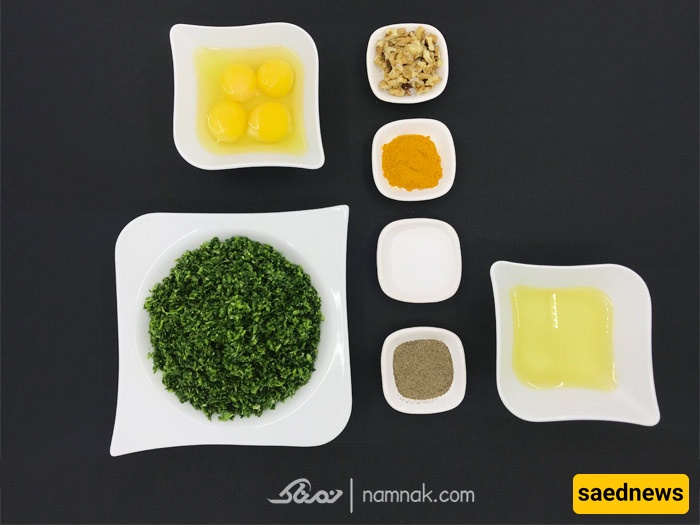
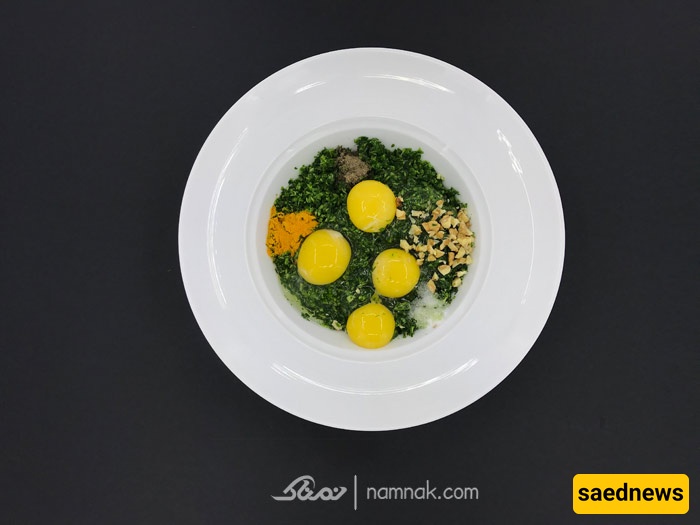
Clean, wash, and finely chop the fresh herbs (parsley, cilantro, chives, etc.). Then combine them in a bowl with eggs, chopped walnuts, salt, and spices such as turmeric and black pepper.
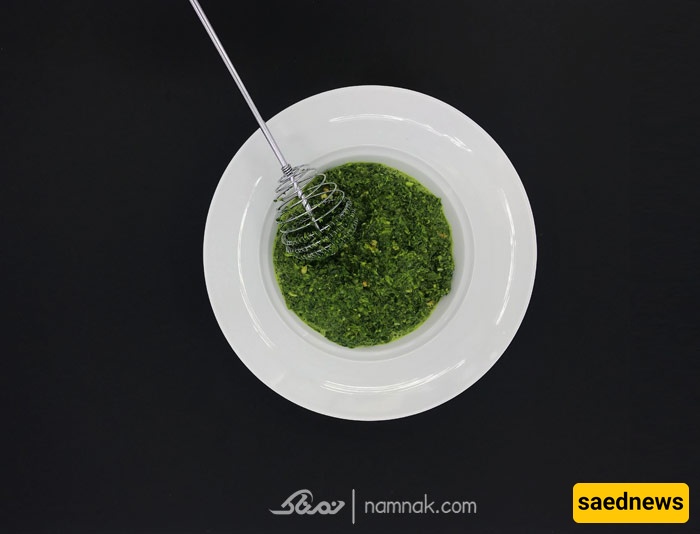
Mix everything thoroughly until the texture becomes uniform and slightly thick, similar to yogurt. You may use a hand whisk or electric mixer to achieve a smoother consistency.
Place a suitable non-stick or frying pan over medium heat and add enough oil to coat the surface completely. Ensure the oil is properly heated before adding the mixture.
Pour or shape the kuku mixture into the pan according to your preference and begin frying.
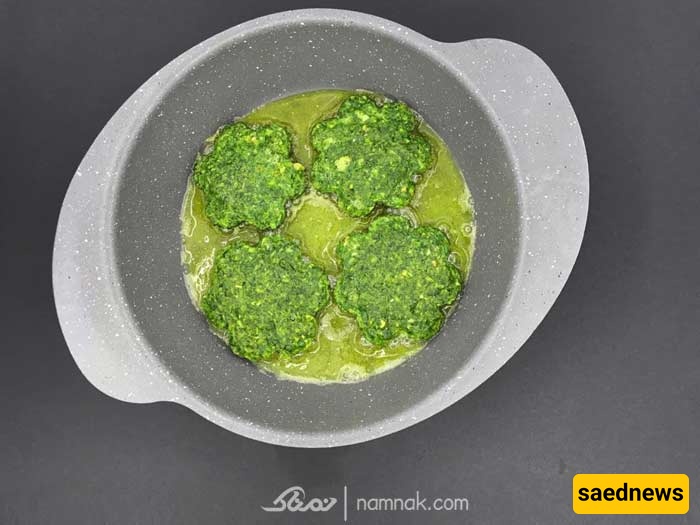
Cover the pan and let the kuku cook over low heat so it becomes fully cooked inside. Using a heat diffuser can help distribute heat evenly and prevent burning.
Once the bottom side is cooked and golden, carefully flip it. If you made a whole round kuku, you can cut it into pieces first or flip it using a plate or tray.
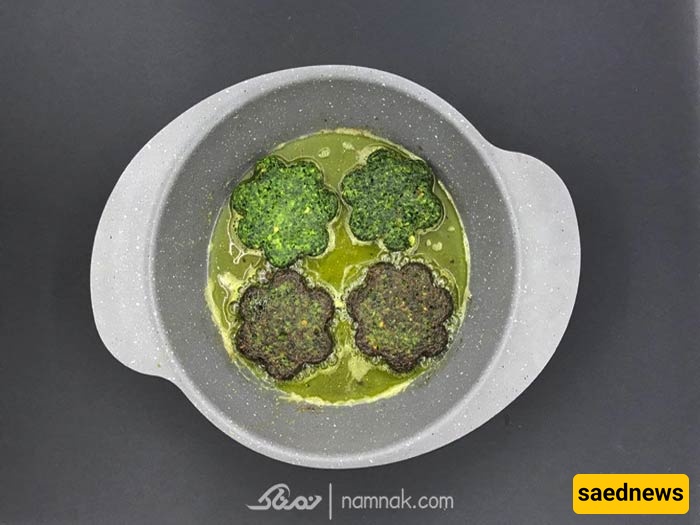
After flipping, cook the other side for a few minutes without covering the pan. Once fully cooked, remove from heat, transfer to a serving dish, and cut into desired pieces.
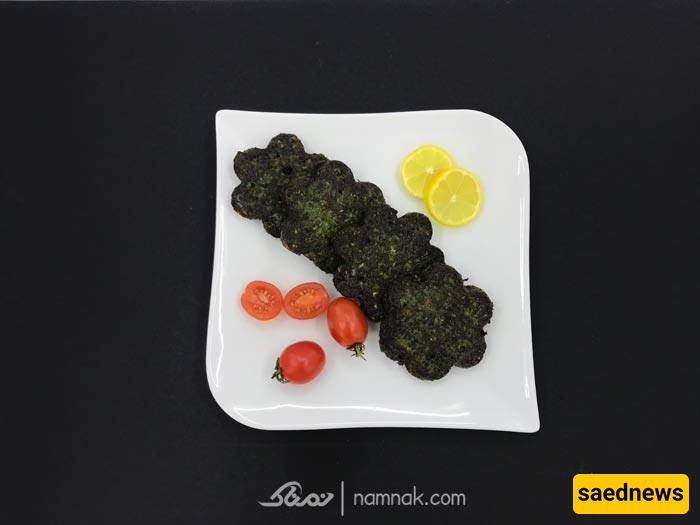
With potatoes: Grated raw or cooked potatoes can be added. Raw potatoes make it crispier, while cooked potatoes create a softer texture.
With flour: A tablespoon of wheat, corn, or chickpea flour can improve texture and help binding.
With onion: Grated onion (well-drained) can be added for extra flavor.
Oven-baked version: Bake at 180°C for 20–30 minutes for a healthier version.
Add barberries and walnuts for richer flavor.
Ensure the oil is hot before adding the mixture to prevent sticking.
Use yogurt or a spoon of milk to make the texture softer (strain yogurt well).
A small amount of baking powder can make it fluffier.
Lightly sautéing herbs in butter can enhance aroma.
Do not over-chop herbs; texture matters for flavor.
Fresh herbs always give the best result.
Too much cilantro can make the dish bitter.
Letting the mixture rest helps it bind better.
Too few eggs can cause the kuku to fall apart.
Preparation time: about 15 minutes
Cooking time: about 15 minutes
Can be served for lunch, dinner, snack, appetizer
Also suitable for iftar or suhoor during Ramadan
Recipe serves 4 people