SAEDNEWS: 5 Ways to Make Authentic Ashkeneh: From Nutritious Tehran-Style Dinner to Shirazi Lentil and Potato Versions with Spice Tips, Texture, and Cooking Time
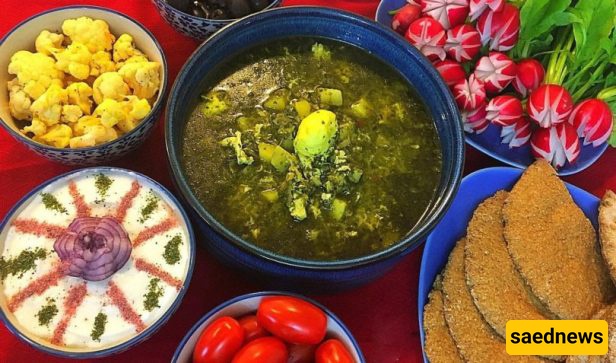
According to Saednews, Ashkeneh is one of the authentic and low-cost Iranian dishes that becomes especially delicious when properly cooked. When well prepared, it turns thick, aromatic, and highly satisfying. Another name for Ashkeneh is “Ashkineh,” and it is most commonly cooked in the Khorasan region of Iran.
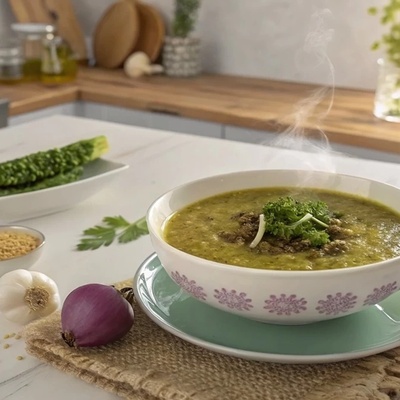
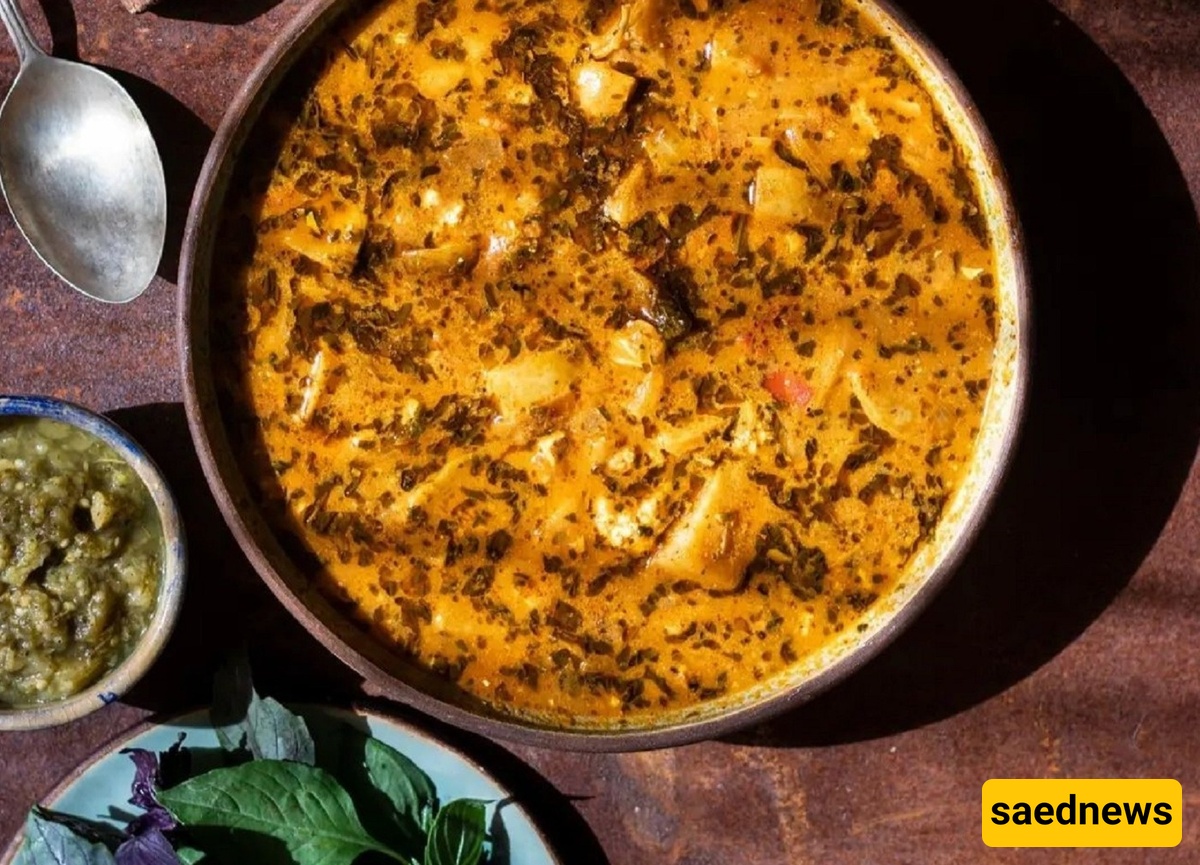
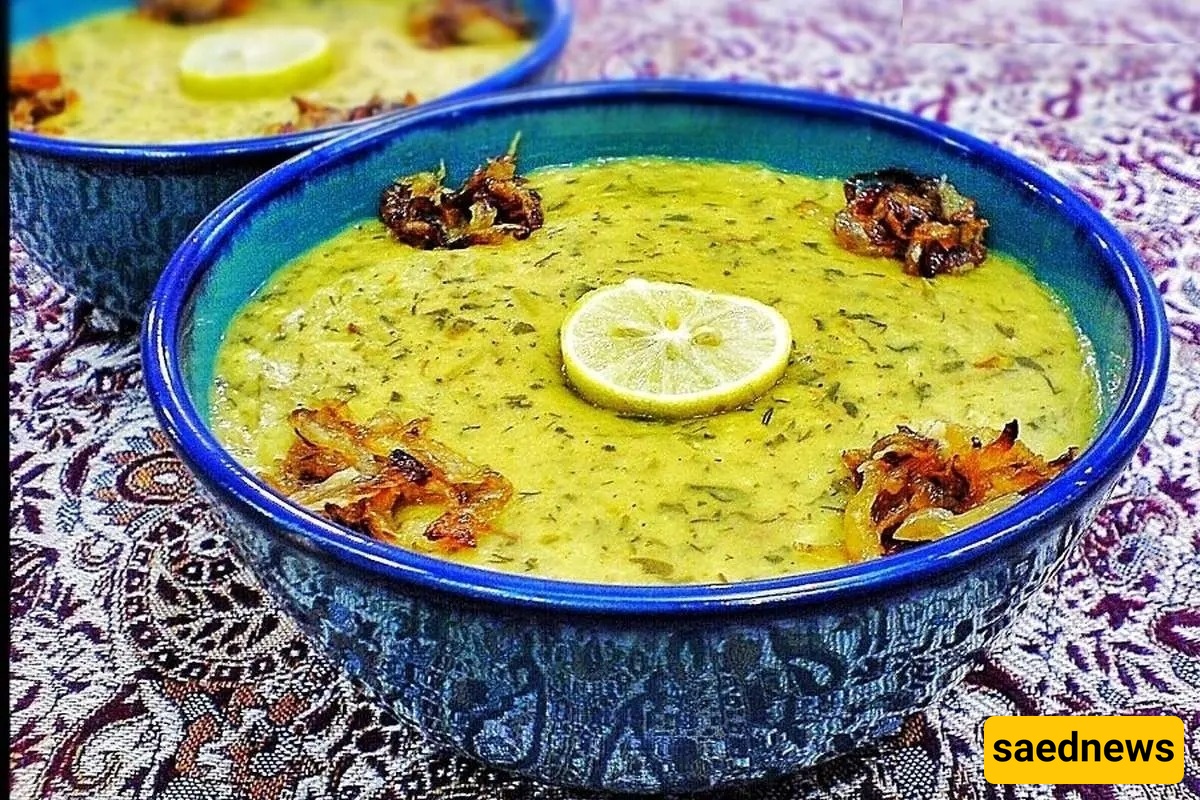
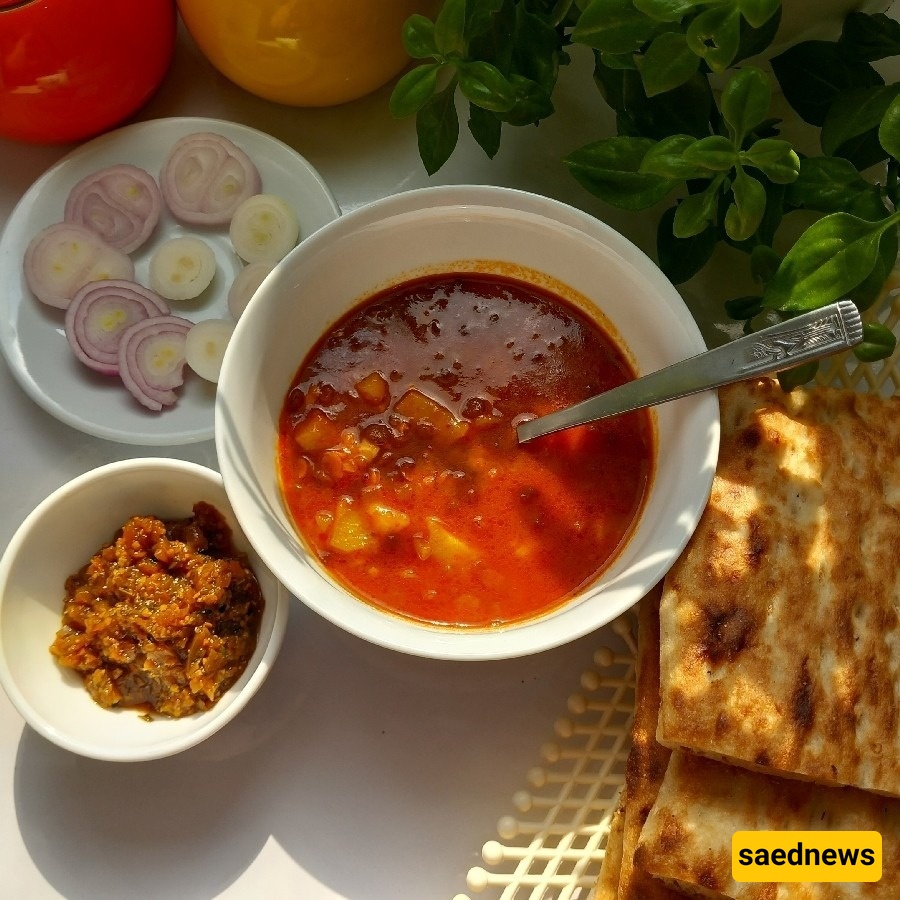
Ashkeneh is prepared in many different flavors and styles. Some of the most popular varieties include kashk Ashkeneh, lentil Ashkeneh, potato Ashkeneh, Shirazi Ashkeneh, and tomato Ashkeneh.
In this guide, you will learn step-by-step methods to prepare authentic Ashkeneh in several variations. By following the tips carefully—from the amount of fenugreek and fried onions to the timing of adding eggs—you can make a rich, well-textured, and delicious Ashkeneh.
Kashk (fermented whey), strained: 3–5 tablespoons
Chopped walnuts: 1 teaspoon
Medium onion: 1
Dried mint: 1 tablespoon
Salt, pepper, turmeric: as needed
Finely slice the onion and sauté it in hot oil until golden.
Add turmeric and stir until its aroma is released.
Add dried mint and lightly sauté (do not burn it).
Dilute kashk with one glass of water and pour it into the pan. Bring to a boil, then add salt and pepper.
After boiling a few times, add walnuts. Reduce heat and stir continuously until the mixture thickens and becomes well combined.
Once thickened, remove from heat. Serve with dried bread and optionally with onions and fresh herbs.
Eggs: 4
Yogurt: 500 g
Flour: 2 tablespoons
Onion (sliced): 1
Dried mint: 1 tablespoon
Kakoti herb: 1 tablespoon
Rice noodles: 50 g
Water: 4 cups
Solid oil: 2 tablespoons
Heat oil in a pot and sauté onions until golden. Gradually add flour and roast until the raw smell disappears.
Add kakoti, turmeric, and dried mint. Stir carefully to avoid burning the mint.
Add yogurt while continuously stirring to prevent curdling, then add water and bring to a boil.
Add rice noodles and let them cook.
Beat two eggs in a bowl, then slowly pour into the pot while stirring to prevent curdling.
Add the remaining eggs whole and allow them to cook without stirring.

Potatoes: 5 medium
Fenugreek: 1–2 tablespoons
Flour: 5 tablespoons
Onions: 2 medium
Eggs: 3
Water: 2 cups
Turmeric: 1 teaspoon
Salt and pepper: as needed
Oil: as needed
Finely chop onions and fry them until lightly golden. Add turmeric and spices.
In a separate pan, lightly fry diced potatoes, then combine them with onions. Add flour and mix well.
Add fenugreek and sauté briefly (do not burn it, or it will taste bitter).
Add water and cook until potatoes are fully soft.
Crack eggs into the mixture and allow them to cook gently.
Serve once fully cooked.
Potatoes: 2 medium
Wheat flour: 1 heaped tablespoon
Onion: 1 large
Eggs: 3
Dried fenugreek: 1 tablespoon
Turmeric: 1 teaspoon
Salt and pepper: as needed
Oil: 4 tablespoons
Sauté chopped onions in oil until golden, then add turmeric and stir.
Add hot water and bring to a boil.
Mix flour with cold water and add to prevent lumps.
Add diced potatoes, salt, and pepper. Cook for about 30 minutes.
Crack eggs one by one into the pot without stirring and let them set.
Add fenugreek at the end and simmer for 5 more minutes. Serve hot.

Lentils: 1 cup
Potato: 1
Onion: 1
Tomato paste: 2 tablespoons
Fenugreek: 1 teaspoon
Rice noodles: 1 cup
Salt, pepper, turmeric: as needed
Sour grape juice (optional): to taste
Soak lentils for a few hours and change the water a few times.
Sauté chopped onions in oil until soft.
Add turmeric and stir briefly.
Add drained lentils and sauté lightly, then add water and cook until half done.
Add diced potatoes and cook until soft.
Add noodles, tomato paste, salt, and pepper. Let it thicken.
Optionally add sour grape juice for flavor.
If fenugreek is not available, you can use savory (marzeh) instead.
Ashkeneh is usually eaten as a bread-based dish and is commonly served with traditional breads such as Barbari, Sangak, or Lavash. It can also be enjoyed with yogurt.
Preparation time: about 15 minutes
Cooking time: about 45 minutes
Can be served for lunch or dinner
Also suitable for Ramadan iftar
Ingredients are typically suitable for 6 servings