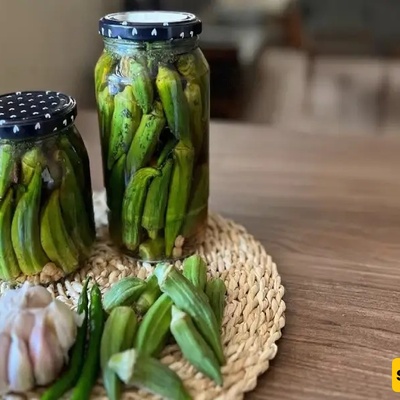
SAEDNEWS: Pickling and brining are popular autumn and winter condiments in Iran. With the arrival of autumn, especially in cities like Tabriz, it is the perfect time to prepare a variety of pickles. If you plan to make pickles this season, these tips will be helpful.
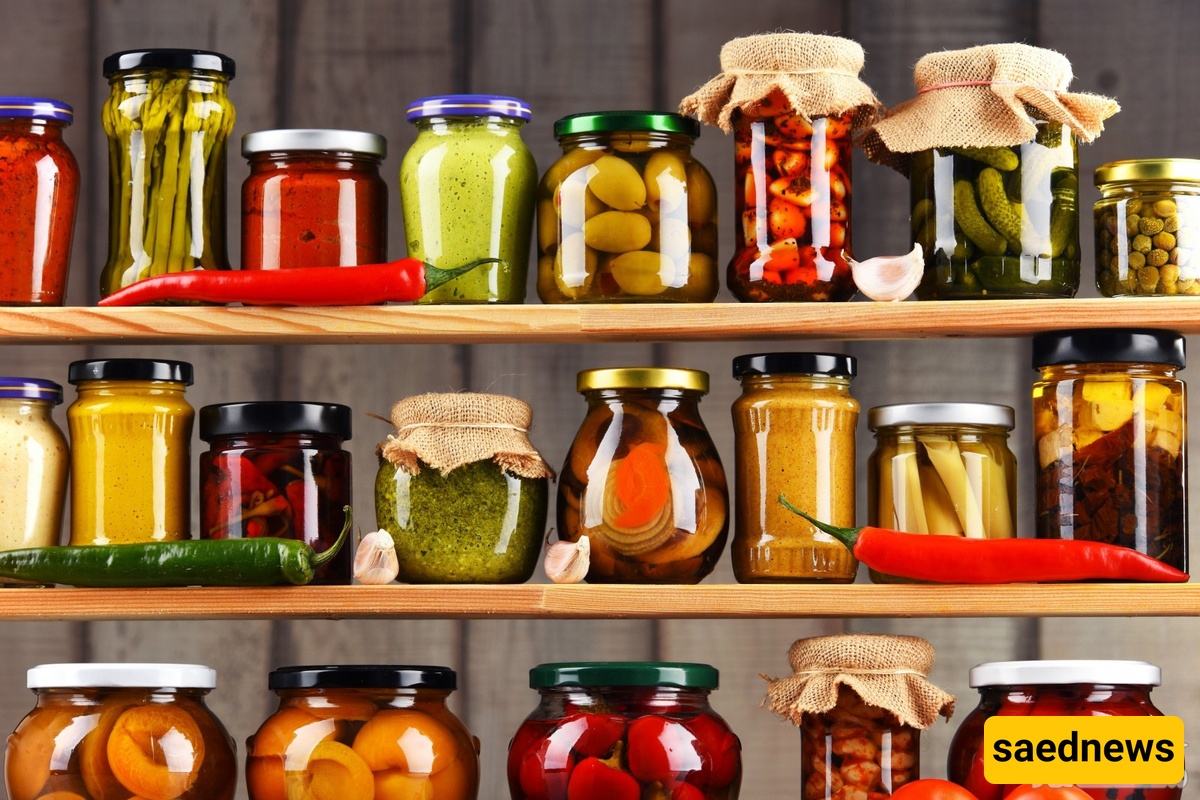
According to Saednews, Pickling Tips and Homemade Vinegar Preparation Guide
Topic | Guidance |
|---|---|
Vegetables | Frozen vegetables should not be used. Fresh or dried herbs are required (this season is ideal for drying herbs). |
Common herbs | Coriander, parsley, and dill should be washed and chopped along with their soft, tender stems. |
Salt ratio | Salt is very important in pickles and brined vegetables. Measure the total liquid first, then use 1/18 of the liquid volume as salt. |
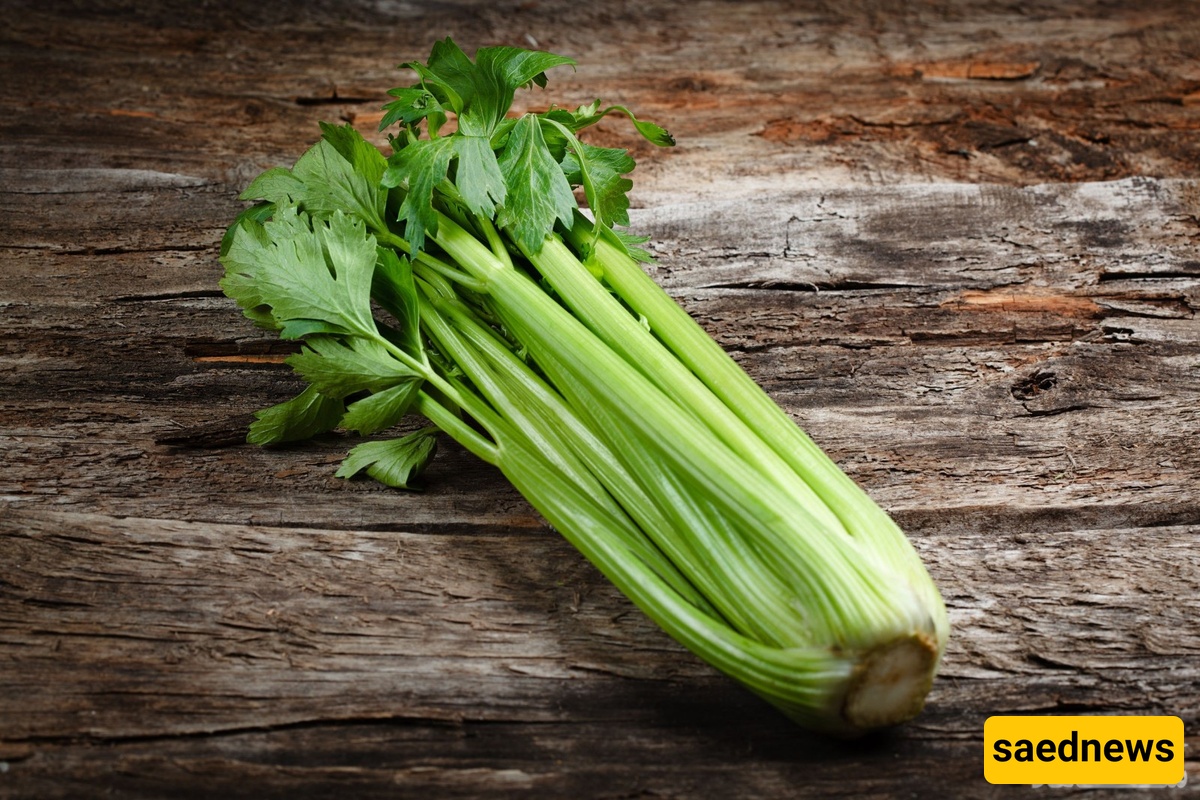
Pickling liquids | Water, vinegar, tomato juice, wild celery juice, and verjuice (unripe grape juice) can be used. |
Topic | Guidance |
|---|---|
Storage | Keep pickles in a cool place away from sunlight. Sunlight softens vegetables, especially in brined pickles. |
Drying ingredients | There is no need to dry washed herbs or fruits before pickling; moisture does not spoil the pickle. |
Hygiene warning | Do not insert wet or greasy spoons into pickles, as this causes mold growth. |
Containers | Do not use jars with metal lids, as they may cause garlic and onions to turn green. |
Topic | Guidance |
|---|---|
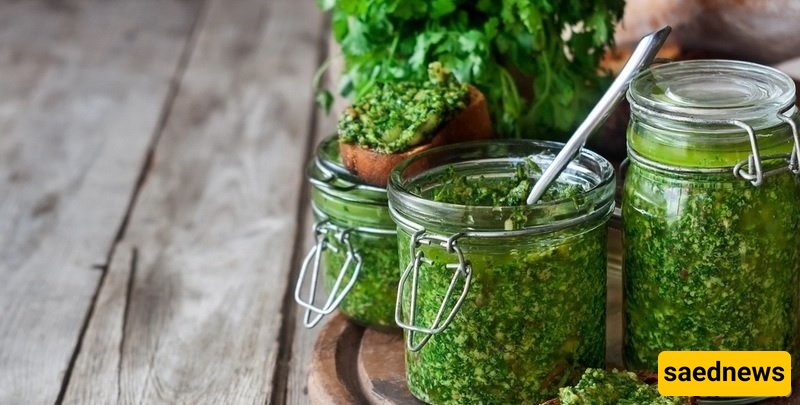
Cooking method | Do not cover the pot while cooking chutney so excess water can evaporate. |
Stirring | Stir toward the end of cooking to prevent burning and excessive thickening. |
Storage | Store finished chutney in a cool, dark place. Heat causes fermentation, and sunlight affects its color. |
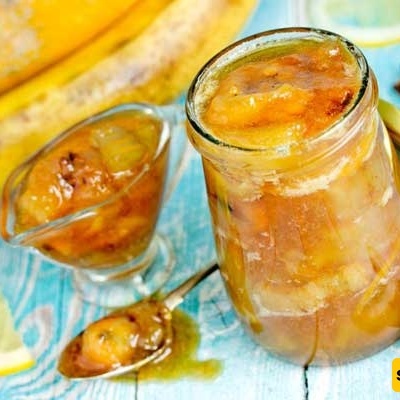
Note: Chutney (or Chāṭnī) refers to a variety of sauces and condiments widely used in South Asian cuisine, especially Indian cooking.
Ingredient | Quantity |
|---|---|
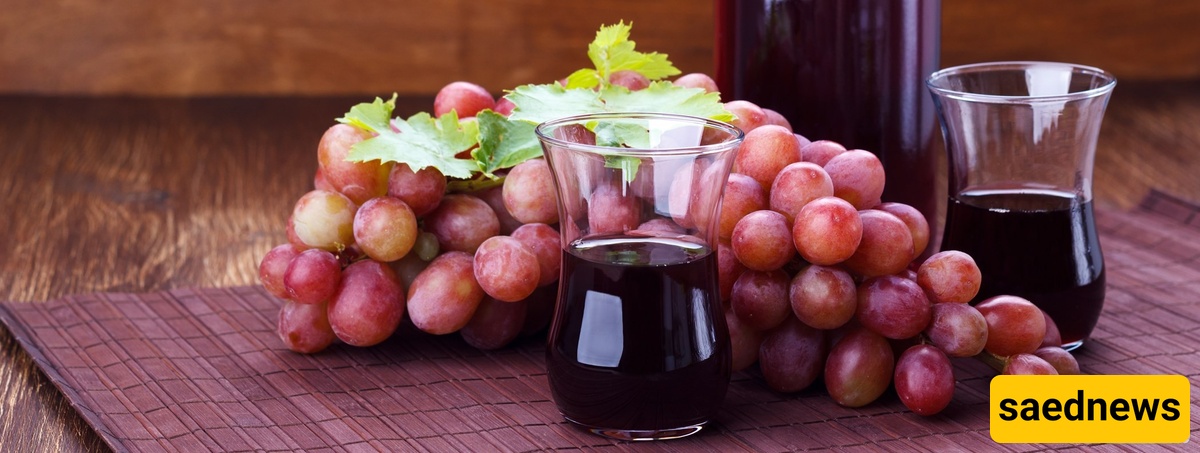
Grapes | 10 kg |
Vinegar (starter) | 250 ml (1 cup) |
Salt | 1/2 teaspoon |
Step | Instruction |
|---|---|
1 | Wash grapes in clusters (no need to remove seeds). |
2 | Crush grapes by hand and place them in a container. |
3 | Mix vinegar and salt and add to the grapes. Leave about 30 cm of empty space at the top of the container. |
4 | Close the lid and place in a warm location or under sunlight for 40 days until it turns into vinegar. |
5 | Strain the mixture and separate the vinegar from the grape residue. |
Ingredient | Quantity |
|---|---|
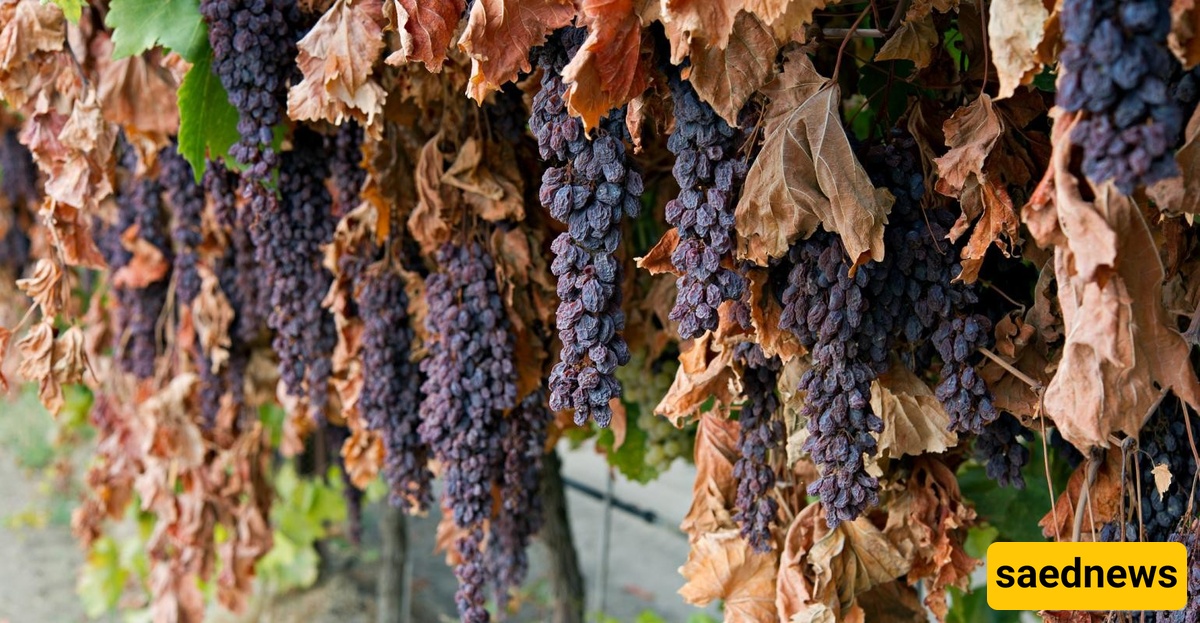
Raisins | 2 kg |
Water | 1 liter (4 cups) |
Vinegar (starter) | 250 ml (1 cup) |
Salt | 1/2 teaspoon |
Step | Instruction |
|---|---|
1 | Wash raisins and remove stems. |
2 | Boil raisins with 4 cups of water for 10–15 minutes. |
3 | After cooling, mash the raisins and place them in a container. Add warm water until covered. |
4 | Mix vinegar and salt, then add to the mixture. Leave at least 20 cm of empty space at the top. |
5 | Place in sunlight for about one month until it becomes vinegar. |
6 | Strain and separate the vinegar, then store it in bottles. |
Idea | Explanation |
|---|---|
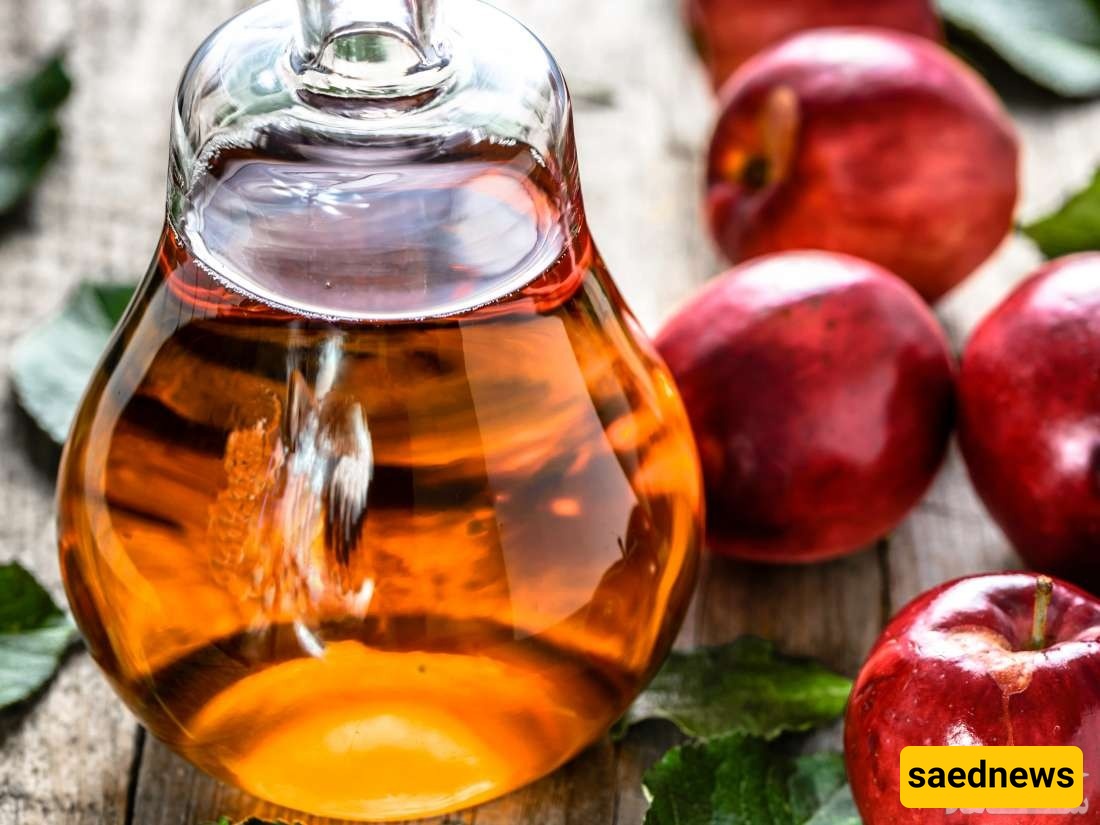
Fruit vinegar variations | Vinegar can also be made using apples, oranges, or mixed fruits. |