SAEDNEWS: The delicate sighing sounds of a newborn during sleep, a familiar and sometimes concerning noise, can actually be a sign of natural growth processes and the regulation of sleep patterns.
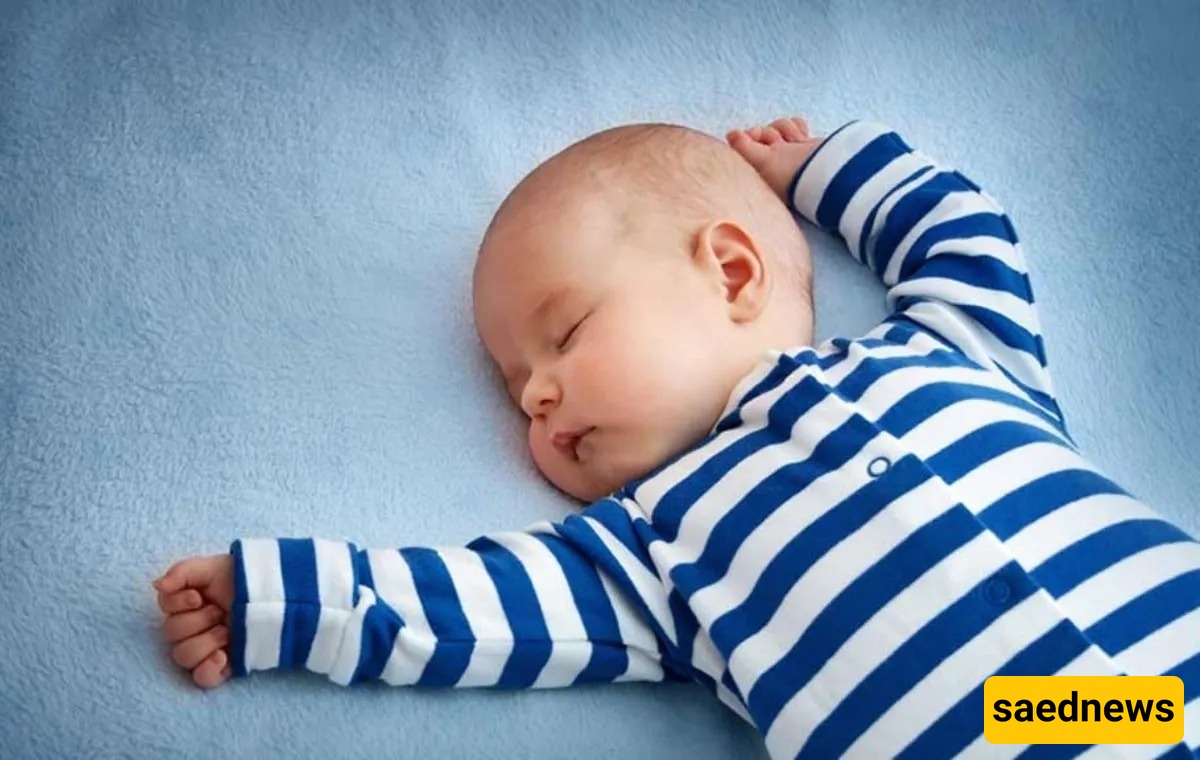
According to Saednews, Sleep is extremely important for infants because it supports their physical growth and brain development. Newborns spend many hours sleeping during the first months of life, and this rest is essential for their overall development. Some parents notice that their babies sigh during sleep, which can be worrying. Many mothers assume it may indicate a breathing disorder, but is that really the case? This article explores the reasons behind this behavior.
Despite the common belief that a baby’s sighing during sleep may be a sign of breathing problems or emotional distress, this is not true in most cases. In infants, sighing during sleep is generally considered a normal and healthy behavior. It is often part of proper sleep patterns and does not usually indicate a medical problem.

There are several possible reasons why infants sigh while sleeping:
Sighing helps open the airways, allowing babies to breathe more comfortably.
This behavior may play a role in forming short-term memory patterns during early brain development.
Sighs help adjust the intervals between breaths, supporting a more stable and regular breathing rhythm.

Babies may sigh in response to surrounding sounds or movements, reflecting their awareness of the environment even during sleep.
Sighing may help regulate the autonomic nervous system, which controls internal organs and basic bodily functions.
It is believed that this breathing pattern may help coordinate the activity of organs such as the heart and digestive system, contributing to overall physiological stability.
Sighing can help open the lungs’ airways more effectively, allowing better oxygen absorption.
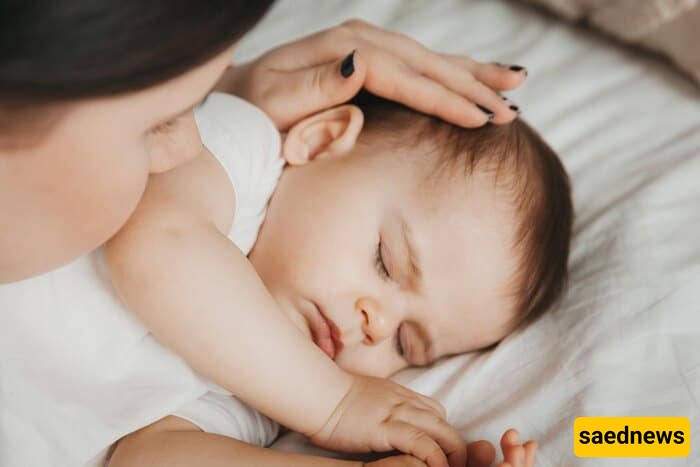
Premature infants tend to sigh more frequently during sleep compared to full-term babies.
Sighing is more common during REM sleep, a stage associated with active brain development.
Newborns typically sleep between 10 to 18 hours per day and may wake up several times.
Healthy sleep patterns during infancy play a crucial role in mental and physical development.
If any unusual sleep behavior or breathing issues are observed, consulting a pediatric specialist is recommended.