SAEDNEWS: Better Sources of Omega-3 Than Salmon
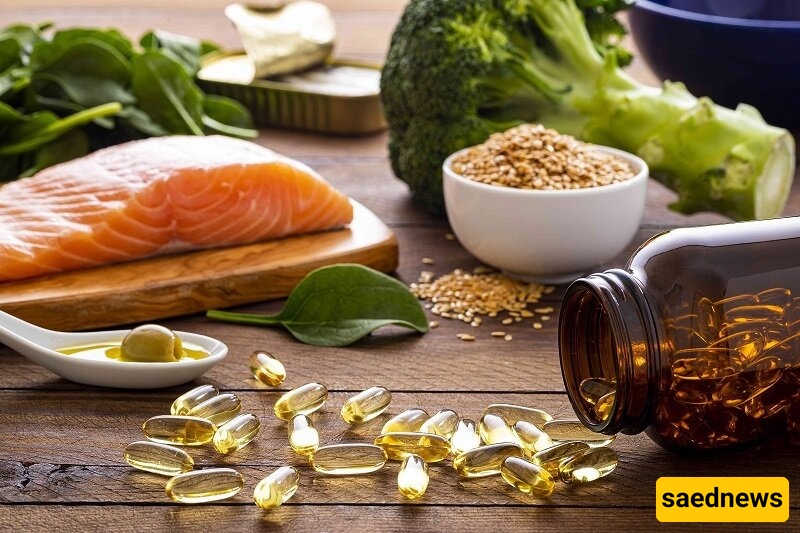
According to the Family Service of Saed News, salmon is widely known as one of the best sources of omega-3 fatty acids. However, several other foods contain even higher amounts of these beneficial fats and are often easier to store and consume. If you are looking for more diverse and accessible options, this list is for you.
Omega-3 per serving: about 1.5 g DHA and 0.93 g EPA per tablespoon
Cod liver oil is one of the most concentrated sources of omega-3 fatty acids and even contains more DHA and EPA than salmon. Regular consumption may help reduce inflammation, lower cholesterol levels, and support overall health.
It is also an excellent source of vitamins A and D, which are essential for immune function, eye health, and strong bones.
How to consume: Usually available as liquid supplements or capsules. It is best to consult a doctor for proper dosage.
Omega-3 per serving: about 0.74 g DHA and 0.45 g EPA per 85 g
Sardines are one of the best alternatives to salmon. They are rich in omega-3 and may even reduce the need for supplements. They are also a great source of protein, calcium, potassium, magnesium, iron, and zinc.
Another advantage is their very low mercury content due to their small size and short position in the food chain.
How to consume: Canned sardines are convenient and ready to eat. They can be added to salads, made into sandwiches with mayonnaise, or eaten with crackers.
Omega-3 per serving: about 1.09 g DHA and 0.64 g EPA per 85 g
Despite their small size, anchovies are packed with omega-3 along with calcium, iron, and selenium. They are also high in iodine, which is important for thyroid function and metabolism regulation.
How to consume: Add to pasta, salads, or eat directly from the can with toast. Choosing sustainably sourced options is recommended.
Omega-3 per serving: typically 500–2000 mg total DHA and EPA
For those who dislike seafood or rarely consume it, omega-3 supplements are a convenient alternative. Health organizations generally recommend 250–500 mg of omega-3 per day for adults.
How to consume: Can be taken at any time of day. Follow the instructions on the label or your doctor’s advice.
Omega-3 per serving: about 1.2 g DHA and 0.88 g EPA in 2 tablespoons
Caviar is one of the most luxurious sources of omega-3 and can contain even higher levels than salmon. It is also rich in vitamin B12 and choline, which support nerve health, metabolism, red blood cell production, and fetal brain development.
How to consume: Usually served on crackers or blinis, or as part of a cheese platter.
Omega-3 per serving: about 7.26 g ALA per tablespoon
Flaxseed oil is one of the strongest plant-based sources of omega-3 (ALA). It has significant anti-inflammatory properties and may help reduce the risk of heart disease.
How to consume: Not suitable for cooking. Use as a supplement or drizzle over salads and cold dishes.
Omega-3 per serving: about 5.06 g ALA per 28 g (1 ounce)
Chia seeds are highly nutritious and rich in fiber, magnesium, selenium, and zinc. Their fiber content supports gut health, regular digestion, and the growth of beneficial bacteria. Magnesium also helps regulate blood sugar and blood pressure.
How to consume: Add to oatmeal, baked goods, or make chia pudding with milk and honey for a healthy dessert.