SAEDNEWS: A missile mounted at the very tip of a fighter jet’s wing may look like an unusual weapons arrangement, but on aircraft such as the F-16 and F/A-18, the placement has an important aerodynamic purpose. The weight can help control wing flutter while also making an additional weapon station available.
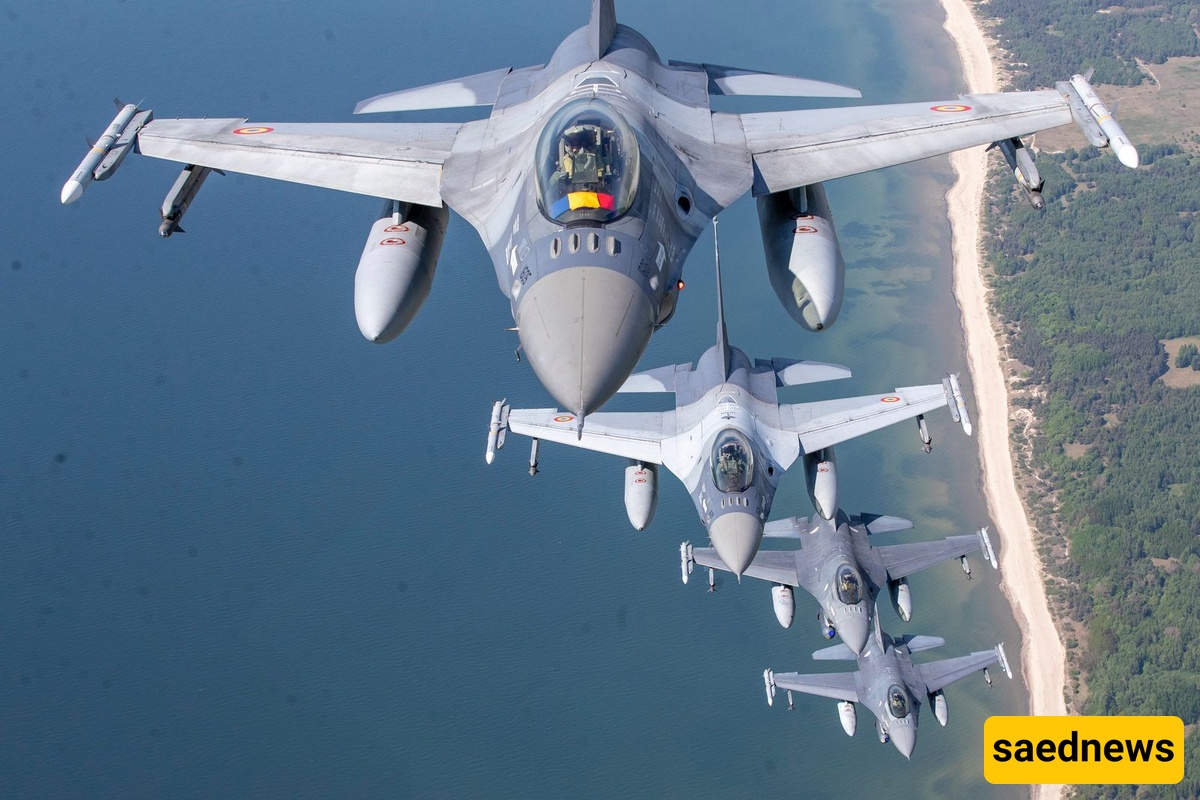
According to SaedNews: When most people picture a fighter jet loaded with weapons, they imagine missiles hanging beneath the wings or attached around the aircraft’s fuselage. Yet some of the world’s best-known combat aircraft appear to break that visual rule: their missiles can sit right at the tips of their wings.
On the F-16 Fighting Falcon and F/A-18 Hornet, this unusual arrangement is not simply a matter of finding another place to hang a weapon. The missile’s position can play an important role in the way the aircraft’s wings behave during flight.
The key is something engineers call wing flutter.
Wing flutter is an aerodynamic instability involving vibrations in an aircraft’s wing structure. If it becomes significant, controlling those vibrations becomes an important part of maintaining stable flight. This is where a missile mounted at the wingtip can serve a role that goes beyond its obvious purpose as a weapon.
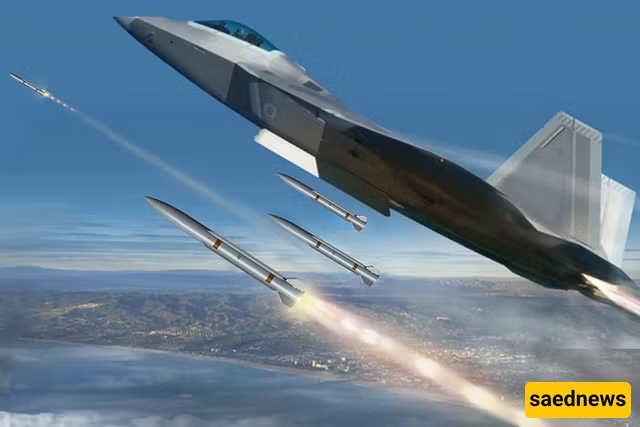
The F-16 provides one of the clearest examples of this design approach.
Lockheed Martin considers the installation of the AIM-120 missile at the F-16’s wingtip important for reducing wing flutter and allowing the aircraft to carry other missiles elsewhere. In other words, the missile is positioned at the outermost part of the wing partly because its mass can influence how the wing responds to aerodynamic forces.
The idea may seem counterintuitive at first.
Why put additional weight at the end of a wing?
In this particular configuration, that weight is useful. The missile can help change the wing’s vibration characteristics, contributing to greater stability in flight. The arrangement therefore combines an aerodynamic consideration with a practical weapons benefit.
The F/A-18 follows a similar concept. Its wingtip stations can carry the AIM-9X Sidewinder, a missile that can also be used against drones.
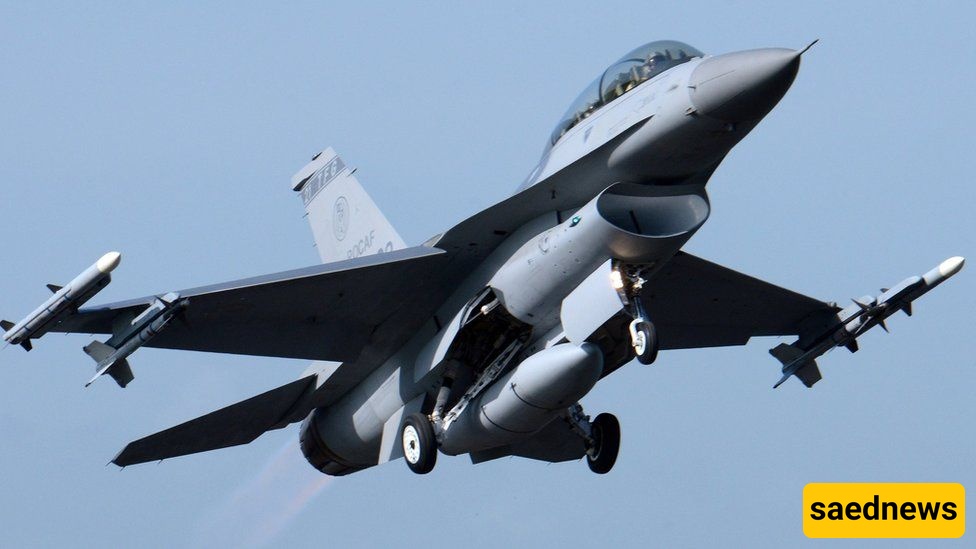
One of the most interesting details is that not all missiles provide the same effect.
The AIM-120 weighs about 161 kilograms, while the AIM-9 weighs approximately 86 kilograms. Because the AIM-120 is considerably heavier, it is more effective than the lighter AIM-9 at helping reduce flutter on the F-16.
That does not mean every flight requires a combat missile to perform this aerodynamic function.
Even training stores with an equivalent weight can be used for the same purpose. The important factor is therefore not simply whether the aircraft is carrying a live weapon, but the mass positioned at the wingtip.
This helps explain why a missile at the end of a fighter wing should not automatically be interpreted as an arrangement designed purely to maximize weapons capacity.
There is another practical advantage.
Using the wingtip positions creates two additional weapon stations for the fighter. That gives the aircraft more flexibility in how its weapons can be distributed.
The arrangement can therefore serve two purposes at once: the mass at the wingtip helps manage wing vibration, while the same position can be used to carry an operational missile.
For a fighter aircraft, that is an efficient use of a location that might otherwise appear relatively unusual.
There is also an important distinction.
Although the missiles can contribute to controlling wing flutter, the F-16 and F/A-18 do not depend on carrying those missiles simply to remain capable of flight. The aircraft can fly without them, and firing the missiles does not disrupt the basic operation of the aircraft.
That point makes the design even more interesting.
The missile is not acting as a structural component that the aircraft cannot function without. Instead, its mass can influence the aerodynamic behavior of the wing when it is carried, while the aircraft itself remains capable of operating without that weapon load.
This is also why the use of equivalent-weight training ammunition can make sense when the aerodynamic effect of the mass is needed without using an actual combat missile.
The wingtip missile arrangement is easy to overlook because the weapon itself naturally attracts attention. But the engineering behind its location tells a much more interesting story.
A fighter jet is not simply an aircraft with engines and weapons attached to it. Every major external load can affect how the aircraft behaves in the air. Where an object is placed, how much it weighs and how that weight interacts with the wing can all matter.
On the F-16, the AIM-120’s approximately 161-kilogram mass makes it particularly useful in this role compared with the lighter 86-kilogram AIM-9. On the F/A-18, the AIM-9X can occupy the wingtip position while serving its operational role, including use against drones.
So the next time a fighter jet appears with a missile sitting at the very edge of its wing, the unusual placement may deserve a second look.
It is not merely about putting another weapon on the aircraft. The position can also be part of the aircraft’s aerodynamic strategy, helping address wing flutter while providing additional weapons capacity.
That combination of combat utility and engineering practicality is what makes the wingtip missile arrangement one of the more intriguing details in modern fighter aircraft design.