SAEDNEWS: The appointment of Mohsen Rezaei as Secretary of the Supreme National Security Council can be viewed as more than a routine administrative change. It may instead signal a determination to bring about a transformation in the approach and performance of this important national institution.
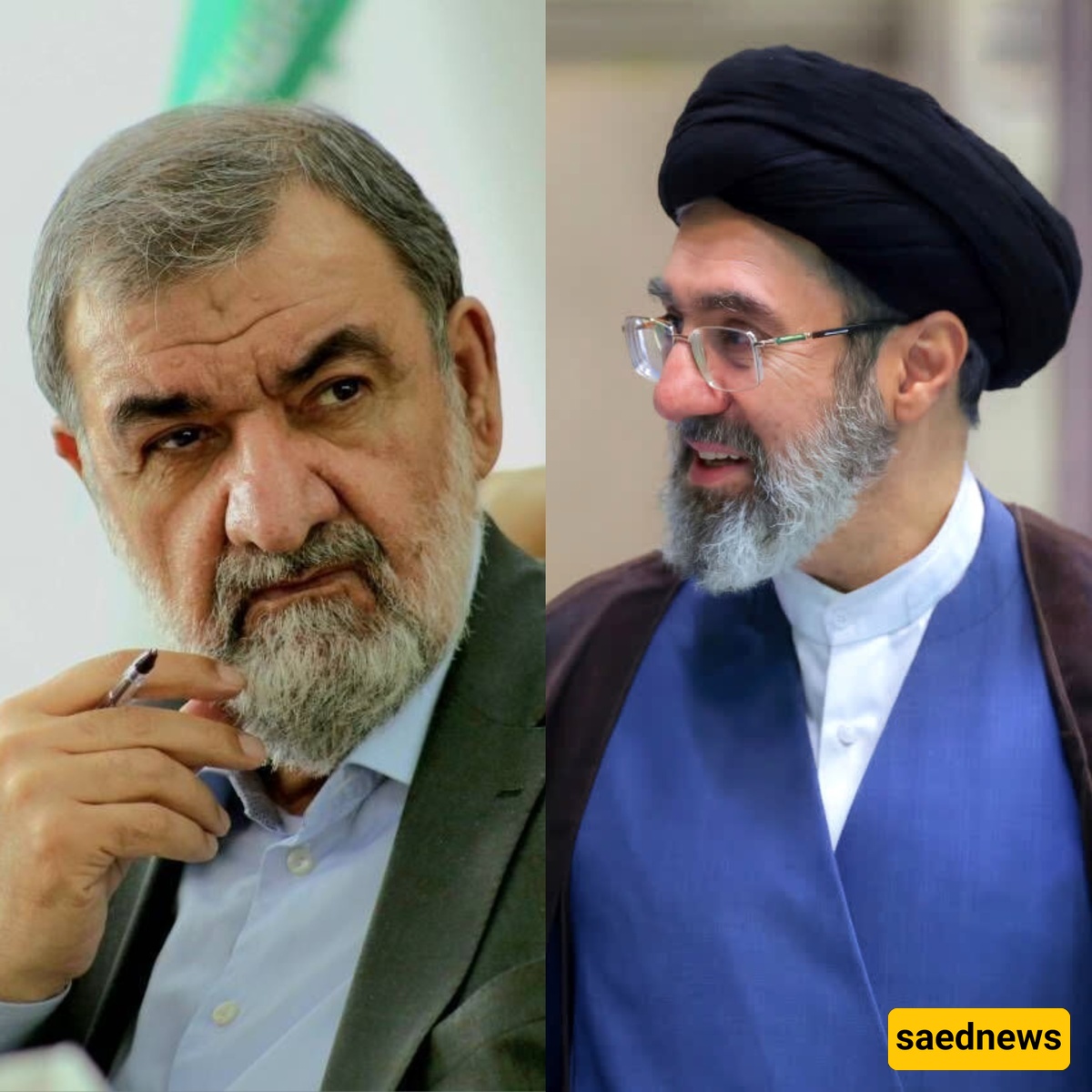
According to Saed News’ political service, Mohsen Rezaei is among the figures whose decades of involvement in military, security, political, and economic affairs have given him extensive experience, a strong spirit of resilience, and a broad strategic background. These qualities could be particularly significant in managing the Supreme National Security Council (SNSC) and coordinating among various government institutions.
One of Mohsen Rezaei’s most important characteristics is his long record during the Iran-Iraq War, known in Iran as the “Sacred Defense,” as well as his experience at the highest levels of military command.
Rezaei is a figure who gained a significant part of his managerial and strategic experience on the battlefield and became familiar with the complexities of decision-making under crisis and wartime conditions. This experience could be an important advantage for the secretary of the Supreme National Security Council at a time when the country faces increasingly complex and multidimensional threats.
Rezaei previously undertook significant structural changes and organizational reforms when he became commander of the Islamic Revolutionary Guard Corps (IRGC), responding to the circumstances of that period and applying his managerial experience to a major strategic institution.
Many of the IRGC’s important and modern units were established as a result of managerial decisions made during Rezaei’s tenure as commander and have since become key components of Iran’s defense and security structure.
In 1985, following an order from Ayatollah Ruhollah Khomeini, the IRGC’s organizational structure was expanded and equipped with three main forces, which were later increased to five branches. Scientific and educational institutions established during that period included Imam Hossein University, Baqiyatallah University of Medical Sciences, and the IRGC Command and Staff College (DAFOS).
Rezaei’s presence at the Supreme National Security Council could raise expectations that a new phase in the council’s strategic policymaking and management may be beginning. Such a phase could place greater emphasis on battlefield experience, long-term strategic thinking, and strategic decision-making.
From this perspective, the appointment of Mohsen Rezaei could be viewed as the selection of an experienced manager for a mission that goes beyond simply maintaining the council’s previous approach. It could potentially lead to the restructuring of certain mechanisms, stronger coordination among decision-making institutions, and changes in the council’s approach to major national issues.
The nature of today’s threats differs considerably from that of the past. Hybrid warfare, cyberwarfare, psychological operations, economic warfare, emerging technologies, and rapid changes in regional and international relations are forcing defense and security structures to evolve as well.
Consequently, one expectation from the new leadership of the Supreme National Security Council could be the adaptation of Iran’s security structures and strategies to the pace of these developments. Rezaei’s experience in organizational restructuring and institutional transformation could be relevant in this area.
At the present juncture, the Supreme National Security Council needs strategic vision, experience, and strong coordinating capabilities above all else. The selection of Rezaei could therefore carry such a message.
Another important factor is Rezaei’s experience in establishing links among different branches of the government and his familiarity with military, security, and political structures.
Particularly during a sensitive period such as the present, the secretary of the Supreme National Security Council must be capable of coordinating a wide range of institutions and agencies and translating major strategic issues into actionable decisions. Rezaei’s long managerial record across different levels could represent a significant advantage in this regard.
The Supreme National Security Council is operating in an environment in which national security issues can no longer be confined to a single area. Regional developments, relations among major powers, hybrid warfare, adversaries’ cognitive warfare, economic and security challenges, and rapid changes in Iran’s surrounding environment all require coordinated and long-term decision-making.
Under such circumstances, choosing an individual with extensive experience across multiple fields could be aimed at increasing the council’s agility, coordination, and capacity for strategic decision-making.
The appointment of a figure with Mohsen Rezaei’s political standing and established reputation could also increase the political and international weight of the position of secretary of the Supreme National Security Council.
Rezaei is a well-known figure to many regional and international actors. His record of involvement in various levels of national decision-making could help strengthen Iran’s negotiating leverage and facilitate the communication of the Islamic Republic’s strategic messages at both the regional and international levels.
Modern warfare is no longer confined to the military battlefield. A significant part of it takes place in the media, cyberspace, public opinion, and the broader contest over narratives.
In such an environment, the Supreme National Security Council also needs a figure who, alongside managing matters behind the scenes, can deliver clear, direct, and influential public positions when necessary. Compared with many security officials, Mohsen Rezaei is a more recognizable and media-visible figure. This characteristic could become important in confronting narrative warfare and psychological operations.
At the same time, Rezaei’s personal outlook cannot be overlooked when considering his selection. He belongs to a generation that spent a significant part of its life during the Sacred Defense era and in positions carrying heavy responsibilities, and he has long been associated with the language of sacrifice and martyrdom.
His high motivation, sense of responsibility, and revolutionary and service-oriented outlook could play an important role in his willingness to take on a demanding and sensitive responsibility under the country’s current circumstances.
Rezaei is among the officials who have repeatedly demonstrated a strong willingness to accept difficult responsibilities. In his personal and political rhetoric, he has also spoken of his regret at not having been martyred and of being left behind from the ranks of those who were killed during the war.