SAEDNEWS: AI attendance devices help businesses reduce payroll errors by accurately tracking employee attendance, using technologies like facial recognition and payroll software integration. They minimize mistakes in calculating delays, absences, leave, and overtime, allowing companies to process salaries based on reliable data.
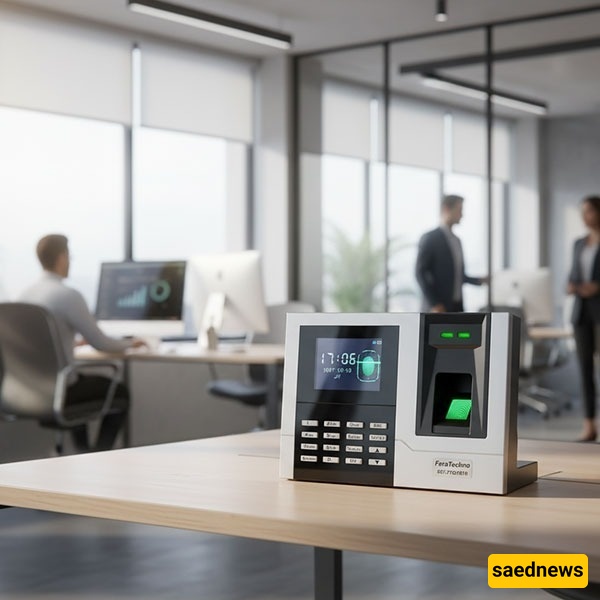
According to Saednews, Payroll calculation has always been one of the most sensitive parts of business management. A delay of only a few minutes, a shifted work schedule, an unregistered leave request, or an incorrectly calculated overtime hour can lead to additional costs for employers and create distrust among employees regarding the salary payment process. In the past, many companies recorded this information manually, but with the growth of workforce size, diverse work shifts, and the need for accurate reporting, traditional methods are no longer sufficient for professional organizations.
In this situation, purchasing an AI-powered attendance system has become one of the modern solutions for reducing payroll errors. These systems do more than simply record employee check-in and check-out times. By using technologies such as facial recognition, contactless identification, accurate data processing, and integration with payroll and attendance software, they make workforce management easier and more reliable.
A significant number of payroll mistakes are caused by inaccurate attendance records. When employee working hours are entered manually, the possibility of errors increases significantly. An employee may forget to record their arrival time, an administrative employee may enter incorrect information, or leave and overtime details may not reach the finance department on time. These issues can result in incorrect salary calculations, disputes between employees and employers, and wasted time correcting reports.
The problem becomes more serious in organizations with multiple work shifts. For example, in factories, chain stores, healthcare centers, schools, service companies, and organizations where employees work at different hours, manually reviewing attendance records can be extremely time-consuming and prone to mistakes.
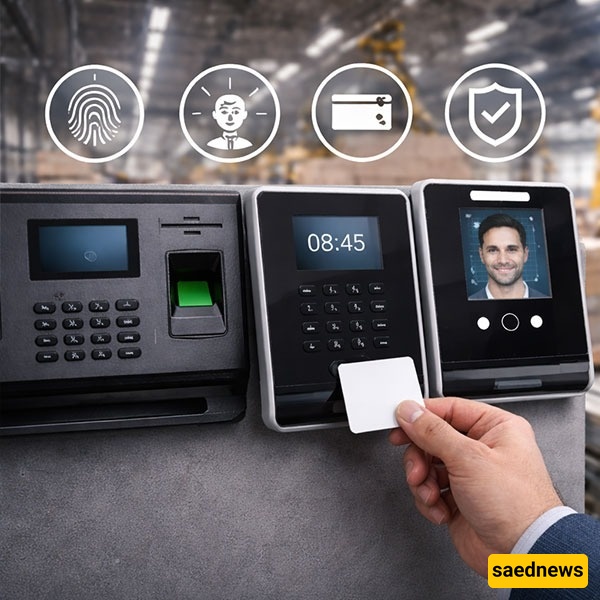
Artificial intelligence has transformed attendance systems from simple time-tracking tools into smart workforce management solutions. One of the most important applications of AI in these systems is fast and accurate facial recognition. With this technology, employees do not need to physically touch the device. They are identified simply by standing in front of the camera, and their entry or exit time is automatically recorded.
This feature is especially useful in crowded and high-traffic workplaces. When many employees arrive at the beginning of a shift, the speed of attendance registration becomes extremely important. AI-based devices can complete identification faster, reducing queues, saving time, and preventing incomplete attendance records.
In addition, some models support multiple authentication methods, including facial recognition, cards, and passwords. This allows managers to select the most suitable attendance method based on their organization’s working conditions.
One of the biggest advantages of AI attendance systems is reducing dependence on manual data entry. When employee attendance information is automatically recorded, the chances of incorrect time adjustments, forgotten attendance records, or disagreements in reports are significantly reduced.
The collected data can then be transferred to attendance management software, where reports such as working hours, late arrivals, early departures, absences, leave records, and overtime are calculated based on accurate information.
This is particularly important for finance departments. When the initial attendance data is accurate, payroll processing becomes more transparent and efficient. Instead of manually reviewing multiple files and records at the end of each month, managers can access organized and ready-to-use reports.
Some business owners believe attendance systems are only useful for large organizations, but this is not true. Even small companies, retail stores, training centers, and clinics need organized employee management information. When the workforce is small, manual tracking may appear simple, but as the business grows, traditional methods can quickly become a major challenge.
Implementing an attendance system from the early stages of business growth helps establish workplace discipline and organization. Employees know that their working hours are recorded transparently, while managers can calculate salaries based on accurate and reliable data.
An attendance system achieves its highest efficiency when combined with suitable software. The device records raw check-in and check-out data, while the software converts this information into practical reports.
For example, payroll software can process rules related to shifts, leave policies, overtime, and deductions, providing useful outputs for accounting and human resources departments.
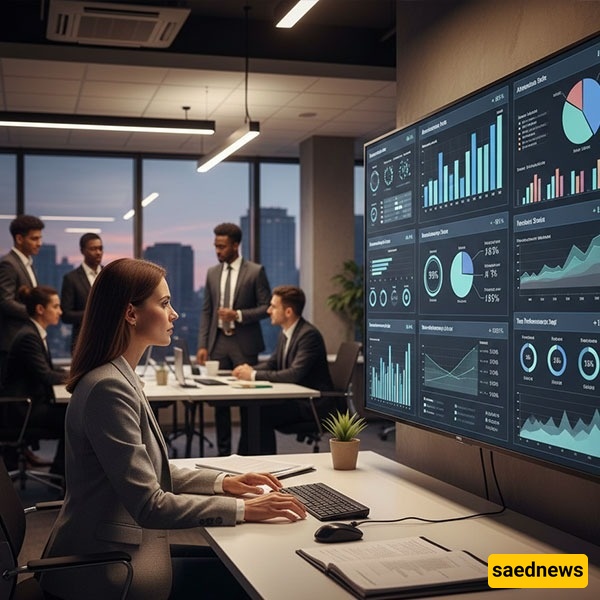
In reality, combining an AI attendance system with workforce calculation software creates a more accurate payroll process. This is especially valuable for managers who want to reduce errors, save time, and improve control over employee-related costs.
AI-powered attendance systems have become an essential tool for reducing payroll errors in modern businesses. By accurately recording employee attendance, minimizing human mistakes, improving reporting speed, and connecting with payroll software, these systems help organizations create a more professional approach to workforce management.
Companies such as Faratechno provide various attendance devices and related software solutions that can be considered by businesses looking for more accurate ways to manage employee attendance and payroll calculations. Choosing the right system is not merely an expense; it is an investment in workplace organization, trust, and higher productivity.