SAEDNEWS: Heart palpitations after eating are usually temporary and harmless, but they can be a sign of issues such as acid reflux or low blood sugar.
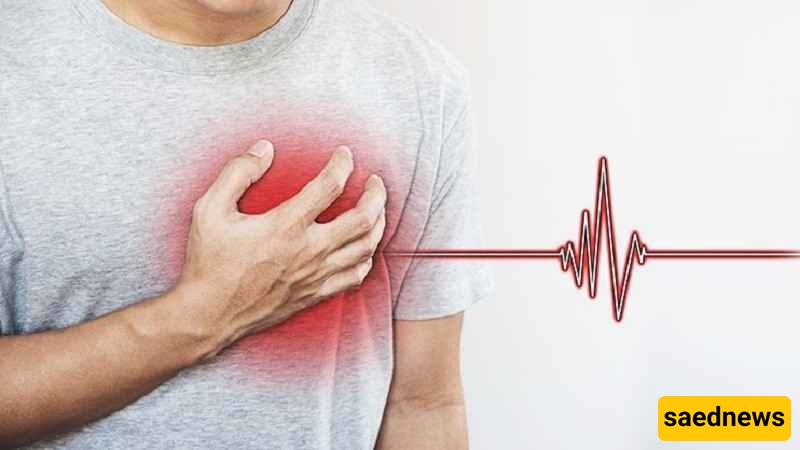
According to Saednews, Heart palpitations, described as a feeling of a rapid, irregular, or unusually strong heartbeat, are a common symptom experienced by many people after meals. Medically known as palpitations, this sensation is often temporary and harmless, but in some cases it may indicate an underlying health condition. Experiencing heart palpitations after eating, especially when they occur frequently, can be concerning and may affect a person’s daily comfort and quality of life.
To understand why heart palpitations may occur after eating, it is important to understand how the body responds during digestion. Digesting food requires increased blood flow to the digestive system. As more blood is directed toward the stomach and intestines, the heart may need to pump harder and faster to maintain circulation.
This natural response is known as post-meal hyperemia. In most people, it is a normal physiological process. However, in some individuals, these changes may become noticeable and produce a sensation of a racing or pounding heartbeat.
Several mechanisms contribute to this response:
After eating, blood circulation increases to support digestion. The heart may temporarily work harder to maintain adequate blood supply throughout the body.
The sympathetic nervous system, which controls the body’s “fight-or-flight” response, may become activated by certain foods, stress responses, or fluctuations in blood sugar levels. This activation can increase heart rate.
Hormones such as insulin and adrenaline can influence heart rhythm. Changes in these hormones after meals may contribute to noticeable heartbeat changes.
Eating large portions, especially heavy evening meals, can place additional pressure on the digestive system and cardiovascular system. A full stomach may push upward against the diaphragm, which can influence sensations around the heart and breathing.
This condition is sometimes referred to as gastrocardiac syndrome and is considered one of the common explanations for palpitations after eating.
Certain foods and beverages contain substances that can stimulate the nervous system or affect heart rhythm.
Coffee, tea, energy drinks, and chocolate contain caffeine. As a stimulant of the central nervous system, caffeine can increase heart rate and may trigger sensations of pounding or irregular heartbeat.
Alcohol may contribute to dehydration and electrolyte disturbances. Both factors can increase the risk of abnormal heart rhythms. Episodes of alcohol-related palpitations are sometimes associated with holiday heart syndrome.
Capsaicin, the active compound in hot peppers, can stimulate the nervous system and may temporarily increase heart rate.

Foods such as white bread, white rice, sweets, and sugary beverages can cause rapid increases in blood glucose followed by increased insulin release. These changes may trigger adrenaline production, resulting in palpitations.
Some people experience heart palpitations due to reactions or sensitivities to specific foods.
In individuals with celiac disease or non-celiac gluten sensitivity, gluten exposure may trigger inflammatory responses and histamine release, which can influence heart rhythm.
Lactose intolerance can cause bloating, gas, and abdominal discomfort. Increased pressure within the digestive system may contribute to sensations of heart pounding.
MSG, a flavor enhancer commonly found in processed foods and restaurant meals, has been reported to trigger palpitations in some sensitive individuals.
These preservatives, often found in processed meats such as sausages and cured meats, as well as some dried fruits, may act as triggers for palpitations in certain people.
Reactive hypoglycemia occurs when blood sugar levels drop significantly after eating, usually within two to four hours after a carbohydrate-rich meal.
In some individuals, the body releases excessive insulin after eating, causing blood glucose levels to fall. The body responds by releasing stress hormones such as adrenaline.
This hormonal response may cause:
Heart palpitations
Trembling
Sweating
Anxiety
Weakness
Acid reflux can irritate the vagus nerve, which plays an important role in regulating heart rate. Stimulation of this nerve may contribute to irregular heart sensations or palpitations.
Additionally, bloating caused by reflux may increase pressure on the diaphragm and create discomfort that feels like heart-related symptoms.
Insufficient fluid intake, particularly around meals, may contribute to mild dehydration. Dehydration can increase blood concentration and make the heart work harder.
Electrolytes such as:
Potassium
Magnesium
Calcium
are essential for normal heart function. An imbalance in these minerals may increase the likelihood of irregular heartbeats.
Highly processed foods and fast foods, which often contain high sodium levels and low potassium content, may worsen electrolyte imbalance.
Some medications can cause heart palpitations as a side effect, particularly when taken with food.
Examples include:
Thyroid medications
Bronchodilators used for asthma
Nasal decongestants
Certain blood pressure medications
Herbal supplements such as ephedra and ginseng
In some cases, heart palpitations after eating may be related to an underlying medical condition.
A low red blood cell count reduces oxygen delivery to tissues. The heart may compensate by beating faster to supply enough oxygen.
Excess thyroid hormones increase metabolism and may cause rapid or irregular heart rhythms.
Conditions such as:
Atrial fibrillation
Supraventricular tachycardia
Premature heartbeats (extra beats)
may become more noticeable after meals.
Stress, anxiety, and panic attacks can trigger palpitations. These sensations may become stronger after eating due to normal physiological changes.
In this condition, the mitral valve does not close properly and may contribute to palpitations, especially after meals.
Certain factors increase the likelihood of experiencing post-meal palpitations:
Older age
History of heart disease
Diabetes
Obesity
Chronic stress
High caffeine or alcohol consumption
Poor dietary habits
High intake of processed, fatty, or sugary foods
Lack of adequate sleep
Occasional mild palpitations after eating, without other symptoms, are usually not a cause for concern. However, medical evaluation is recommended if:
Palpitations occur frequently or feel severe
Heart rate becomes very fast (above approximately 120 beats per minute)
The heartbeat becomes extremely irregular
Symptoms occur with chest pain, shortness of breath, dizziness, fainting, cold sweating, or nausea
There is a history of heart disease
Symptoms begin after starting a new medication
A healthcare provider may recommend:
A detailed evaluation helps identify possible triggers and underlying causes.
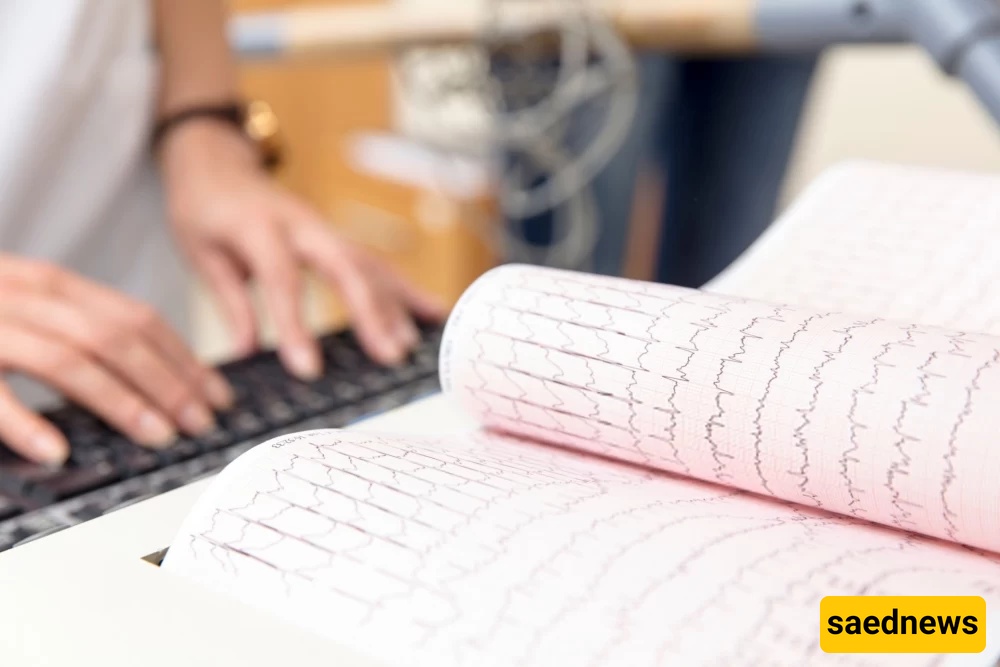
An ECG records the electrical activity of the heart and helps evaluate rhythm abnormalities.
A portable device records heart activity continuously, usually for 24–48 hours, to detect irregular rhythms.
An ultrasound examination of the heart evaluates heart structure and function.
Blood tests may assess:
Anemia
Thyroid function
Electrolyte levels
A glucose tolerance test may help identify reactive hypoglycemia.
Instead of consuming three large meals, eating five or six smaller meals throughout the day may reduce digestive stress and blood sugar fluctuations.
Slow eating improves digestion and may reduce bloating and discomfort.
Reducing intake of:
Caffeine
Alcohol
Spicy foods
Sugary foods
may help prevent episodes.
Foods rich in these minerals include:
Bananas
Avocados
Spinach
Almonds
Pumpkin seeds
Replace refined carbohydrates such as white bread and white rice with whole grains, including:
Oats
Quinoa
Brown rice
Protein helps stabilize blood sugar levels and may reduce sudden hormonal changes.
Drinking enough water supports cardiovascular function. However, consuming very large amounts of fluid during meals may increase digestive discomfort.
Reducing fast food and highly processed meals can improve overall cardiovascular health.
Relaxation techniques can help regulate the nervous system and reduce stress-related palpitations.
Moderate aerobic activities such as:
Walking
Swimming
Cycling
can improve heart health and reduce stress.
Aim for approximately seven to eight hours of restful sleep each night.
Treatment depends on the underlying cause.
Management may include a low-glycemic diet and smaller meals containing balanced nutrients.
Treatment may involve antacid medications and dietary adjustments.
Treatment may include iron or vitamin B12 supplementation when deficiencies are present.
Doctors may prescribe medications that reduce thyroid hormone production.
Treatment options may include:
Antiarrhythmic medications
Beta blockers
Catheter ablation in severe cases
Treatment may include cognitive behavioral therapy (CBT) and, when necessary, medication.
Heart palpitations after eating can result from normal digestive changes, food triggers, hormonal fluctuations, dehydration, stress, or medical conditions. While occasional episodes are often harmless, frequent or severe palpitations should be evaluated by a healthcare professional. Identifying personal triggers, improving diet quality, maintaining hydration, managing stress, and addressing underlying health conditions can significantly reduce symptoms and improve overall well-being.