SAEDNEWS: Mules and hinnies are two distinct hybrid animals resulting from the crossbreeding of horses and donkeys, and they have significant genetic and physical differences.
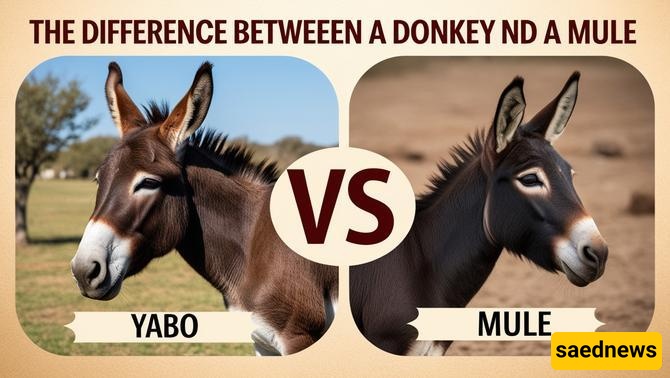
According to Saednews, In the world of domesticated animals, it can sometimes be difficult to distinguish between certain species. One of the most common confusions is between a yabu (hinny) and a mule. Many people assume they are the same, but each has distinct characteristics.
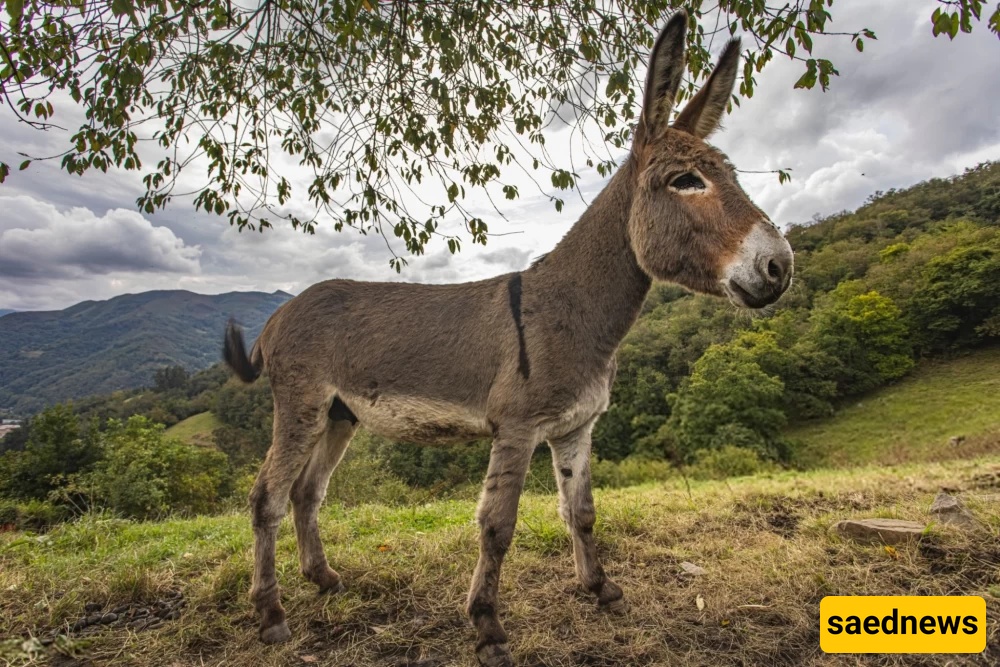
A hinny is the offspring of a male horse (stallion) and a female donkey (jenny). This hybrid animal combines traits of both horses and donkeys but differs genetically from a mule. Hinnies are usually smaller than mules and tend to resemble donkeys more in appearance.
A mule is the result of breeding a male donkey (jack) with a female horse (mare). Mules are known for their strength, endurance, and intelligence and are widely used around the world for farming, transport, and riding. They are generally larger than hinnies and resemble horses more closely.
The main difference between a mule and a hinny lies in their parentage:
Mule: Father donkey + mother horse
Hinny: Father horse + mother donkey
This difference in parents leads to variations in physical traits and behavior. Both are hybrids and usually sterile, although they share the same chromosome number (63).
Mules are typically larger, heavier, and closer in size to horses (about 350–600 kg).
Hinnies are smaller and more delicate, resembling donkeys more closely (about 200–400 kg).
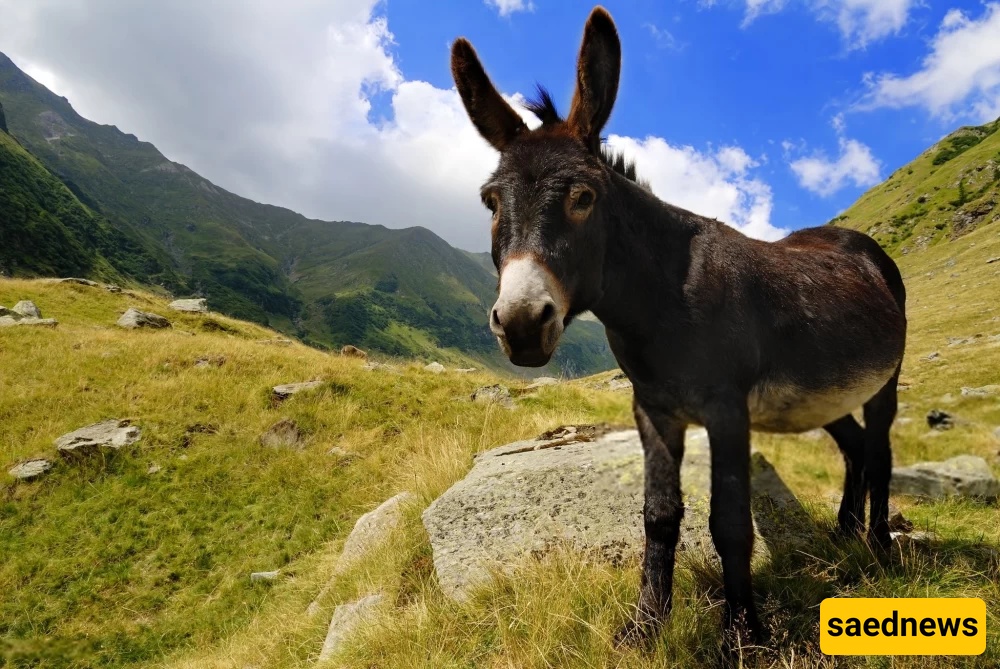
Mules: Ears are medium to long—between horse and donkey length.
Hinnies: Ears are shorter and more similar to horse ears.
Mules: More donkey-like head with a long muzzle and broad forehead.
Hinnies: More horse-like head with a shorter muzzle and narrower forehead.
Mules: Horse-like tail with long hair from the base.
Hinnies: More donkey-like tail, with hair mainly at the tip.
Mules: Common horse colors such as black, gray, brown, or spotted patterns.
Hinnies: Often lighter shades like light gray, cream, or light brown.
Mules are highly intelligent, cautious, and thoughtful animals. They assess situations carefully before acting.
Hinnies are also intelligent but tend to be more stubborn and less adaptable in training.
Mules: Calm, patient, and highly reliable.
Hinnies: Sometimes less predictable and may require more training patience.
Mules are stronger and more durable, capable of carrying heavy loads over long distances and in harsh conditions.
Hinnies are less powerful and better suited for lighter work.
Mules: Widely used in agriculture, transport, riding, and even military operations due to their strength and reliability.
Hinnies: Less common and mainly used for light transport, children’s riding, and light agricultural tasks, especially in mountainous regions.
Mules are found worldwide and are very common in agriculture and transport systems.
Hinnies are rare and are mainly found in specific regions such as parts of China, South America, and some European countries.
Both animals are usually sterile due to having 63 chromosomes, which disrupts normal reproduction. However:
Female mules may occasionally be fertile in rare cases.
Hinnies are almost always sterile, with fertility being even rarer than in mules.
Mules have been used by humans since ancient times, while hinnies have always been less common.
Mules are known for their sure-footedness, especially on rough terrain.
Both animals tend to live longer than horses, often reaching 30–40 years.
Their hooves are strong and well-adapted for difficult environments.
The difference between a hinny and a mule goes far beyond naming. While both are horse–donkey hybrids, they differ significantly in genetics, appearance, behavior, and practical use. Mules are larger, stronger, and more widely used, while hinnies are smaller, rarer, and generally suited for lighter tasks.
Understanding these differences provides a clearer view of hybrid animal diversity and the role humans have played in selective breeding for specific purposes.