SAEDNEWS: Eye color change is a growing beauty trend. While options such as iris implants, laser treatments, and keratopigmentation are available, they vary greatly in safety and procedure. Here’s a brief look at the risks of iris implants and newer alternatives.

According to Saednews, Eyes have long been considered one of the most defining features of facial appearance. It is therefore natural that some people consider changing their eye color. Until a few years ago, this was mainly achieved through colored contact lenses, but today more permanent methods have emerged. Among them, iris implantation—also known as the placement of a colored artificial iris inside the eye—has become one of the most controversial options. While social media and advertisements often present the procedure as simple and appealing, the medical community has generally approached it with far greater caution.
Many eye specialists believe that any procedure involving alteration of the eye’s natural structure should be evaluated very carefully, especially when the goal is cosmetic enhancement rather than medical treatment.

Iris implantation was originally developed for therapeutic purposes. The technique was intended for individuals who had lost part of their iris due to injury, disease, or congenital conditions and required reconstruction to restore the eye’s appearance or function. In this procedure, an artificial component is placed inside the eye to alter the appearance of the iris.
Over time, however, cosmetic applications of the technique emerged, and some individuals began using iris implants solely to change their eye color.
This shift sparked significant debate regarding the safety of the procedure. Unlike many other parts of the body, the eye is an exceptionally delicate and complex organ, and any alteration can potentially lead to serious consequences.
One of the primary concerns involves placing a foreign object inside the eye. The internal space of the eye is highly sensitive and limited, and any abnormal pressure or contact may interfere with its natural function.
Medical reports and clinical evaluations have associated cosmetic iris implantation with several potential complications, including:
Increased intraocular pressure
Persistent inflammation and irritation
Corneal damage
Blurred vision
Severe light sensitivity
Long-term visual disturbances
The severity of these complications can vary depending on factors such as the patient’s eye condition, surgical technique, and postoperative care. Nevertheless, many specialists do not consider cosmetic iris implantation a simple or risk-free procedure.
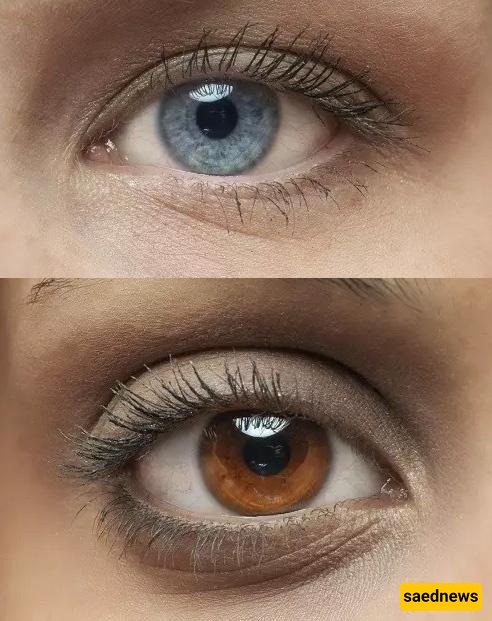
No. A common misconception is that all eye color change techniques belong to the same category. In reality, each method differs significantly in both approach and structure.
In recent years, newer techniques have been introduced that do not require placing an artificial lens or implant inside the eye. This distinction has drawn attention toward procedures considered less invasive. Two methods that have gained increasing interest are laser eye color change and keratopigmentation.
Laser eye color change aims to gradually alter the natural pigmentation of the iris. In this technique, controlled laser energy targets portions of the darker pigment, allowing the eyes to appear lighter over time.
The procedure is generally discussed for individuals with dark-colored eyes who wish to achieve lighter shades. Contrary to some expectations, the results are not immediate; changes typically develop gradually over a period of time.
One important difference between laser treatment and iris implantation is that no artificial object is inserted into the eye. Instead, the procedure works by modifying existing pigmentation. As with any specialized ophthalmic procedure, careful patient selection, thorough evaluation, and precise equipment are essential.
Keratopigmentation, also known as corneal pigmentation, is another specialized eye color change technique that has attracted growing attention in recent years.
In this procedure, specially formulated pigments are placed within the superficial layers of the cornea to alter the perceived color of the eye. Unlike iris implantation, keratopigmentation does not involve inserting an artificial lens or implant inside the eye.
The technique also offers the possibility of achieving a wider range of color shades, and cosmetic results are often visible more quickly than with some alternative methods.
Like any specialized medical procedure, keratopigmentation requires meticulous evaluation, expert execution, and careful consideration of factors such as corneal health, eye anatomy, and color selection.
Social media has made images of eye color transformations widely visible, but each result represents a complex medical process that deserves careful evaluation. Many viewers focus only on the cosmetic outcome and may overlook the differences between procedures or the medical considerations involved.
Choosing the most appropriate method depends on multiple factors, including:
Overall eye health
Corneal condition
Individual expectations
Professional medical assessment
For this reason, decisions regarding eye color change should always be based on a comprehensive examination performed by a qualified corneal specialist.
Iris implantation is one of several procedures developed to alter eye color, but concerns regarding its potential risks and complications have led many specialists to approach it cautiously. At the same time, newer techniques such as laser eye color change and keratopigmentation have emerged, offering alternative approaches that do not involve placing an artificial object inside the eye.
Ultimately, no eye color change procedure can be considered universally suitable. The most important priority should always be preserving eye health and making informed decisions based on accurate medical information and expert evaluation.