SAEDNEWS: Pentagon Moves to Seize General Motors and Ford Production Lines Amid Severe Ammunition Shortage in War with Iran
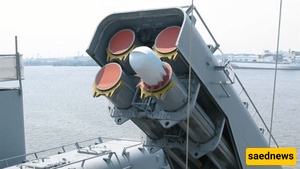
According to the Science and Technology Service of the Saed News Agency, citing Fars News, the rapid depletion of military ammunition during the war with Iran has pushed the Pentagon toward unprecedented measures since World War II.
Senior officials at the U.S. Department of Defense, concerned about declining strategic weapons stockpiles, have begun negotiations with top executives of major American automakers, including General Motors and Ford, to potentially repurpose parts of their production lines for manufacturing missiles, ammunition, and military hardware.
According to a report by The Wall Street Journal, in confidential Pentagon meetings with automotive industry leaders, a key question has been whether these companies can quickly convert their production lines to military output.
U.S. officials describe the expansion of weapons production as a “national security necessity” and compare the move to the World War II concept of the “Arsenal of Democracy,” when automakers such as Ford shifted to mass-producing bombers and tanks.
Experts emphasize that, contrary to public perception, modern precision munitions are often “handcrafted,” making them difficult to scale in the same way as automobile production lines. However, the Pentagon hopes that by leveraging the engineering capabilities and large workforce of automakers, it can bypass supply chain constraints and accelerate production.
Similar developments are reportedly occurring in Germany. Volkswagen is in talks with Israeli defense company Rafael to convert a plant in Osnabrück—originally at risk of closure—into a production line for the Iron Dome air defense system, potentially preserving 2,300 jobs.
The primary driver of these emergency efforts is the severe depletion of Pentagon ammunition stockpiles. Estimates suggest that the United States spent more than $26 billion in munitions during the first month of the war with Iran. Analysts at the Royal United Services Institute (RUSI) estimate that replenishing Tomahawk missile stockpiles used in the conflict could take at least five years.
Meanwhile, the Pentagon has submitted a supplementary budget request exceeding $200 billion to Congress to both cover war-related costs and expand ammunition production infrastructure.