SAEDNEWS: In old Tehran, before the evening meal of the first night of the month of Ramadan, each person was required to give their fitra—an amount equal to one man (a traditional unit of weight) of wheat bread, barley, rice, or whatever food they commonly consumed—to a person in need.
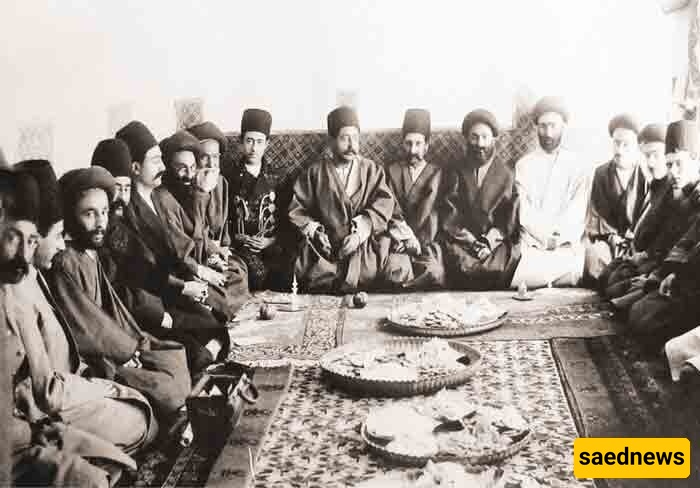
According to Saed News, quoting Javan News Agency, perhaps no Islamic holiday is as sweet and delightful as Eid al-Fitr. It marks the end of the holy month of Ramadan with the sighting of Shawwal’s crescent moon, and Muslims conclude a month of fasting by performing the Eid prayer, celebrating a joyful ending to this spiritual journey.
The excitement and spiritual atmosphere of Ramadan’s suhoor (pre-dawn meal) and iftar (breaking fast) have led many first-time fasters to stay awake all night, or ask their parents to wake them up for the special Eid prayer.
The performance of Eid al-Fitr prayers and celebrations has long held a special place among Muslims, especially Iranians.
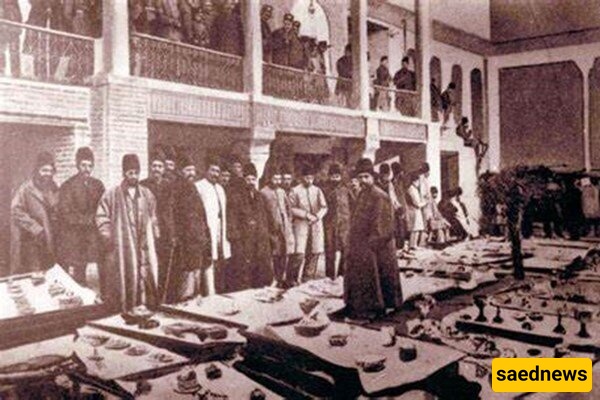
In old Tehran, before the sunset of the first night of Shawwal, every person was required to give their zakat al-fitr—equivalent to about one “man” of wheat, barley, rice, or whatever staple they consumed—to those in need. Alternatively, they would pay its monetary value or set it aside from their possessions.
In the third volume of the book Old Tehran, Jafar Shahri writes:
“Whenever a needy person could not be found, if the zakat was wheat, they would set aside 4 abbasis; if rice, 2 qirans (2 to 2.5 rials). If money was not available, they would symbolically pledge non-essential household items such as lamps, ceiling lanterns, bowls, plates, and similar objects, keeping them aside as a guarantee until the zakat was paid at the earliest opportunity.”
Zakat al-fitr was primarily given to needy relatives, then needy neighbors and acquaintances, and afterwards to other eligible poor individuals—especially those who were blind, deaf, or physically disabled.
If the person paying zakat themselves was in need and unable to pay, they would symbolically circulate the zakat among their own household—between themselves, their spouse, and children.
If the recipient was a poor man with no family, he would symbolically pass the zakat from his right hand to his left hand and back again to absolve himself of responsibility.
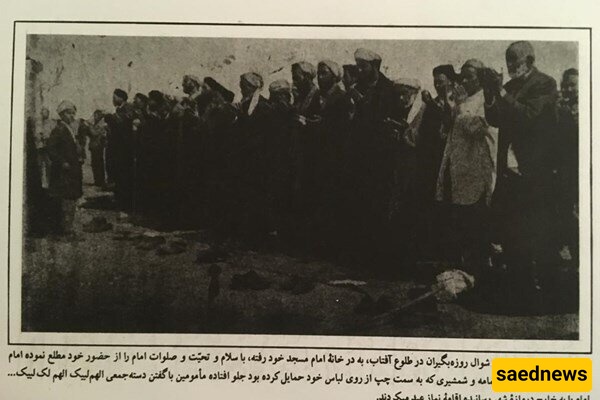
For the Eid al-Fitr prayer, followers of each prayer leader would gather from dawn at his home, barefoot, chanting takbir (“Allahu Akbar”) and praising God. A group leader would recite takbir, and others would repeat it. After every four takbirs, they would recite:
“Allahu Akbar, Allahu Akbar, La ilaha illa Allah, Allahu Akbar, wa lillahil hamd ala ma hadana wa lahu al-shukr ala ma awlana”
They would repeat these chants while moving and swaying until the imam was ready and came out of his house.
It was required that the imam be barefoot, without his turban, continuously engaged in remembrance of God. Before the Eid prayer, after the morning prayer, he would even be taken to a bathhouse where his hands, feet, beard, and mustache were dyed with henna.
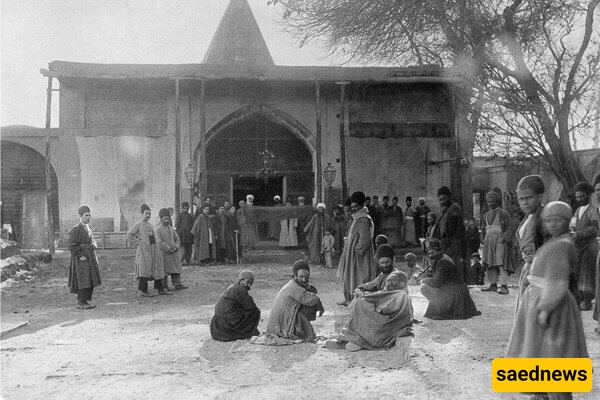
When leaving the house, the imam would carry a dagger in his sash or a sword over his cloak, as if heading to battle or jihad. He would walk briskly toward the prayer ground outside the city, with others running behind him.
They would proceed chanting takbir until reaching an open area outside the city, where the Eid prayer was performed.
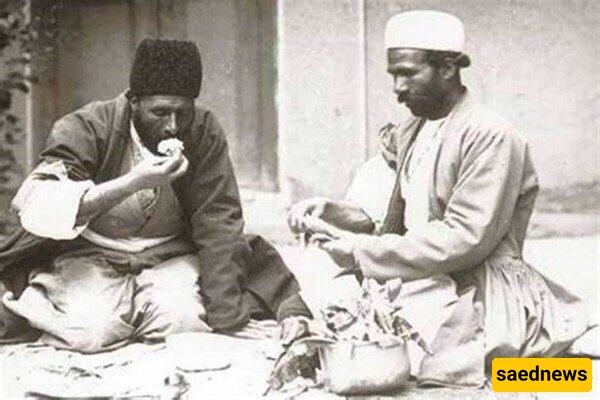
At the end, they would break their fast with sacred soil (turbah), dates, or raisins. Afterwards, they would return the imam home via a different route and then disperse.