SAEDNEWS: Given the rapid growth of technology, scientists say that about 47% of jobs will become obsolete in the future. Although it may seem frightening, it is a logical trend.
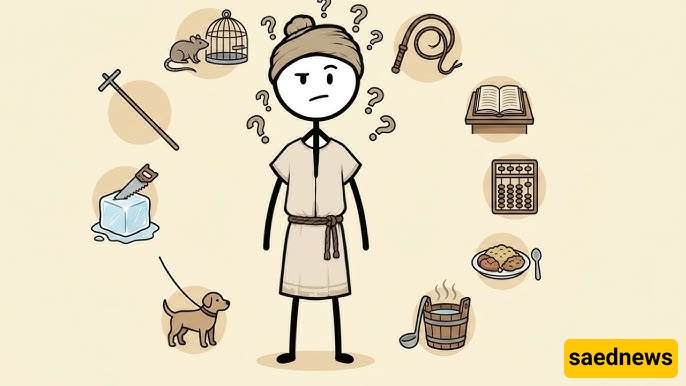
According to the Saed News website, citing Bartarinha, with the rapid growth of technology, scientists estimate that around 47% of jobs will become obsolete in the future. Although this may sound alarming, it is a logical trend. In the past as well, many jobs existed that no longer do today—some have completely disappeared, while others have evolved into different forms. In this article, you will get familiar with several such professions that may seem strange or even absurd to modern readers, but were once part of everyday life for our ancestors.
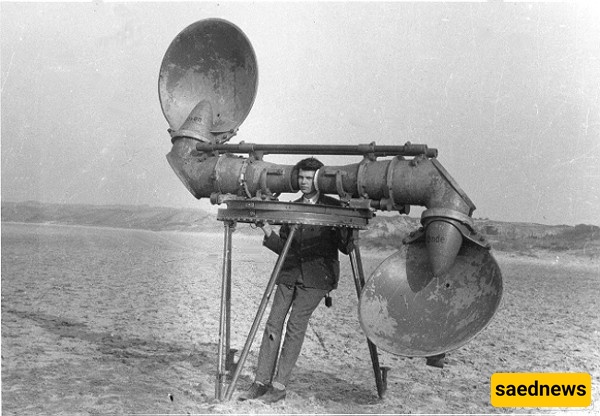
Before the invention of radar, military forces had to use other tools to detect enemies. One such method was acoustic location. Large listening devices helped people detect vibrations and determine the direction of sound. These tools were used from the mid–World War I era until the early World War II period.
One profession that existed in ancient Greece was professional party planning for wealthy citizens, which involved organizing food menus, music, and guest lists.

In ancient Rome, removing body hair was often a sign of social class. As a result, some people worked in public bathhouses removing underarm hair using heated iron tweezers.

In ancient Rome, funeral clowns would imitate the voice, behavior, movements, and even clothing of the deceased. This was done both to comfort the spirit of the dead and to entertain the living.

Due to the high demand for leeches used widely in bloodletting, some people collected leeches from swamps and marshes. This was a seasonal, low-income job, and workers often suffered from infections and bleeding. After the 1830s, the medical use of leeches declined, and by the 20th century, the job disappeared.

Whipping boys were companions to young princes who were punished in their place. Since tutors were not allowed to physically punish princes, their friends were punished instead. Although it may seem ineffective, these boys were often close friends of princes, and witnessing their punishment encouraged princes to behave better.

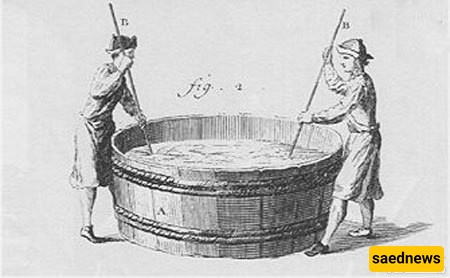
Another job in ancient Rome was the fuller. They washed, dyed, and dried clothes. What distinguished them from modern laundries is that clothes were washed using human urine collected from public restrooms.
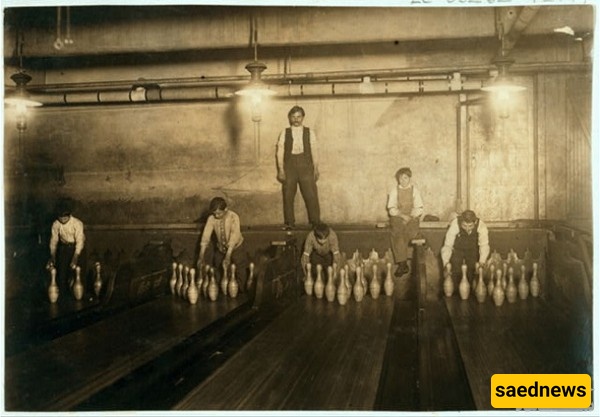
This manual, low-paying job involved setting up bowling pins, picking up fallen pins, and returning balls to players. With the invention of automatic pin-setting machines, this job became obsolete.
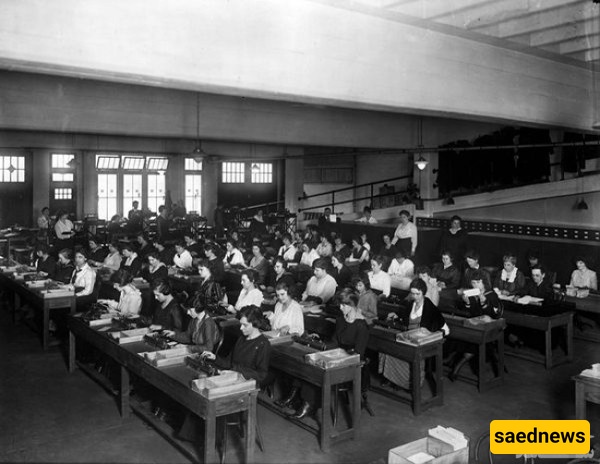
This does not mean computers suddenly disappeared. From the 18th century, the term “computer” referred to a person who performed calculations. Their job involved simplifying, computing, and analyzing data manually or later with mechanical calculators.