SAEDNEWS: Sigiriya, one of Sri Lanka’s most famous historical attractions, has been listed as a UNESCO World Heritage Site due to its stunning architecture and its eventful history.
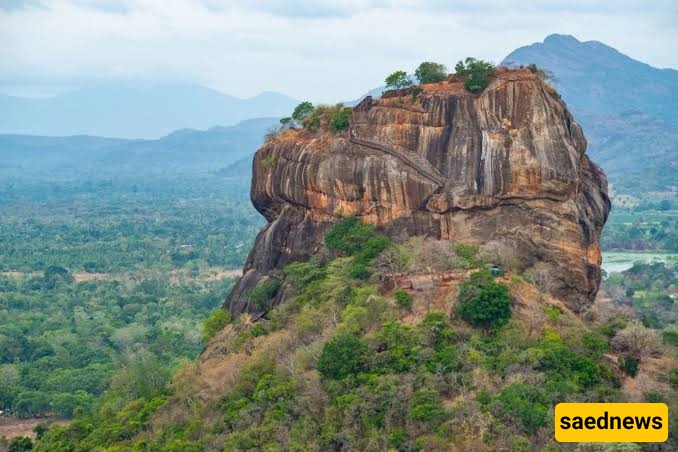
According to Saednews, Sigiriya Fortress is one of the most famous and historically significant tourist attractions in Sri Lanka. This ancient fortress was built in the 5th century AD by King Kashyapa and is considered an important artistic and architectural masterpiece in the history of the country.
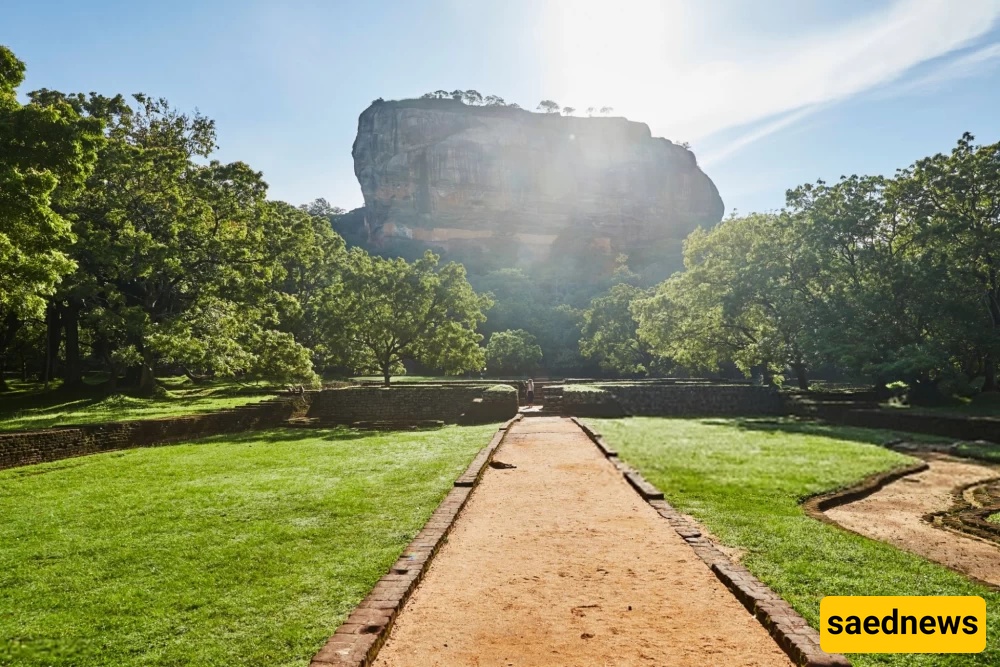
Sigiriya Fortress, also known as the Lion Rock, is built on top of a massive rock rising approximately 200 meters above the surrounding landscape. The fortress served both as a defensive stronghold and a royal palace for King Kashyapa. According to historical records, Kashyapa decided to construct this fortress on the summit of the rock to protect himself from potential enemy attacks. After assassinating his father, King Dhatusena, he sought refuge in this location due to his fear of retaliation from his brother.
During the reign of Kashyapa, Sigiriya became a major center of culture and art. Beautiful paintings and sculptures were created on the walls of the fortress during this period, reflecting the artistic achievements and cultural values of the era. Many of these remarkable works are now recognized as part of the UNESCO World Heritage Site.
Architecture and Unique Features of Sigiriya Fortress
The architecture of Sigiriya Fortress combines natural beauty with remarkable human creativity. The design was carefully planned to create a structure that was not only visually impressive but also highly effective for defense. The main entrance of the fortress was accessed through a wooden bridge and a grand gateway decorated with lion sculptures, which gave the site its famous name, Lion Rock.
The strategic location of the fortress on top of the rock provided natural protection, while the carefully designed pathways, walls, and structures demonstrated the advanced engineering skills of ancient Sri Lankan architects.
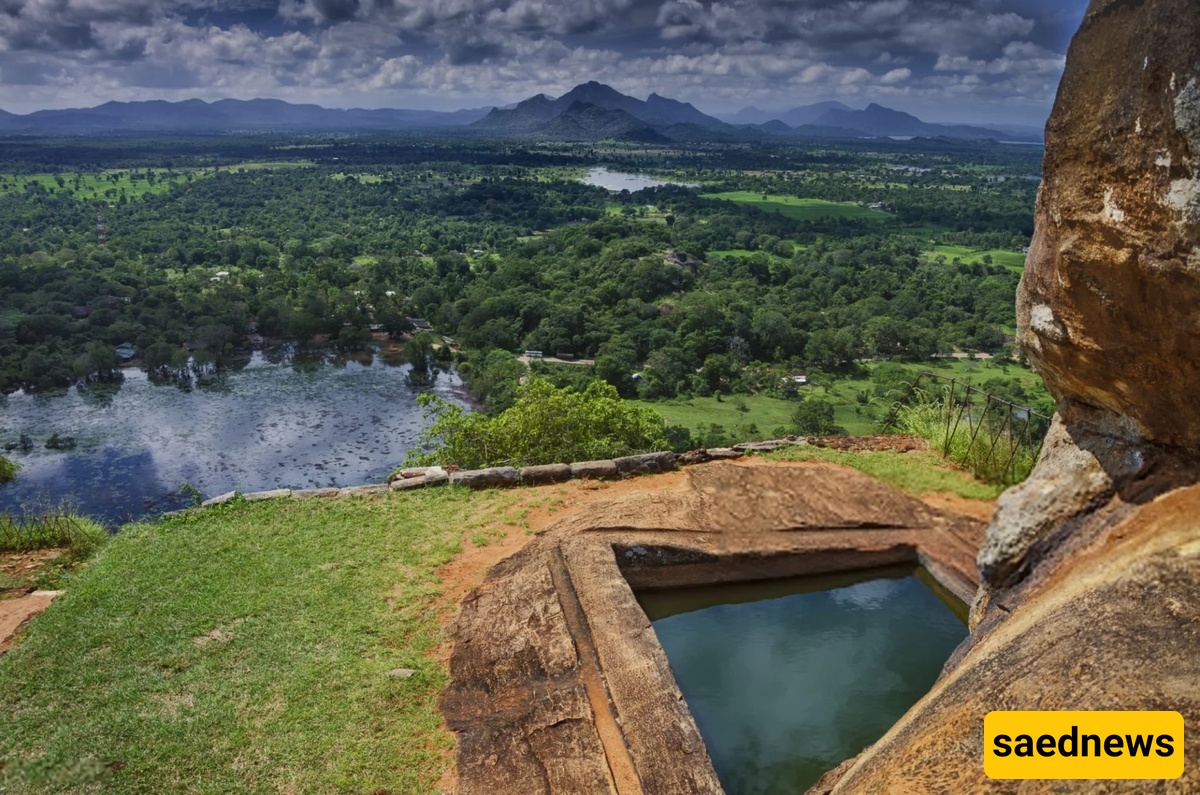
The hanging gardens of Sigiriya are among the most distinctive features of this ancient site. These gardens were designed with precise geometric patterns and included ponds, pools, and sophisticated water channels. The use of water in the garden design enhanced the beauty and atmosphere of the area.
These gardens represent the remarkable knowledge of ancient engineers in managing natural resources and creating impressive landscapes. The combination of architecture, water systems, and greenery makes Sigiriya one of the most extraordinary examples of ancient garden design.
The murals and sculptures found throughout Sigiriya Fortress represent the artistic excellence of the Kashyapa period. The famous wall paintings mainly depict elegant women and celestial figures portrayed in various poses and styles.
These artworks are admired for their unique painting techniques, vibrant colors, and detailed craftsmanship. They remain one of the main attractions of Sigiriya and provide valuable insight into the artistic traditions of ancient Sri Lanka.
Cultural Importance of Sigiriya Fortress
Sigiriya Fortress is significant not only for its historical and architectural value but also as a powerful cultural and national symbol of Sri Lanka. It is one of the country’s most important tourist destinations, attracting thousands of visitors from around the world every year.
In 1982, Sigiriya Fortress was designated as a UNESCO World Heritage Site. This recognition highlights the global cultural and historical importance of the site and has helped introduce Sri Lanka’s rich heritage to people around the world.
Today, Sigiriya continues to serve as an important cultural reference in Sri Lanka. Many modern artists and designers draw inspiration from the fortress’s architecture, paintings, and historical significance. Cultural and artistic events held at the site also contribute to preserving and promoting local traditions.
Visiting Sigiriya Fortress
Visiting Sigiriya Fortress offers a unique opportunity to explore the history, architecture, and culture of Sri Lanka. Due to its remarkable location, the site provides breathtaking views of the surrounding forests, landscapes, and natural scenery.
The best time to visit Sigiriya Fortress is during the dry season, especially from December to April. During this period, the weather is generally sunny and pleasant, making climbing and exploring the site more comfortable.
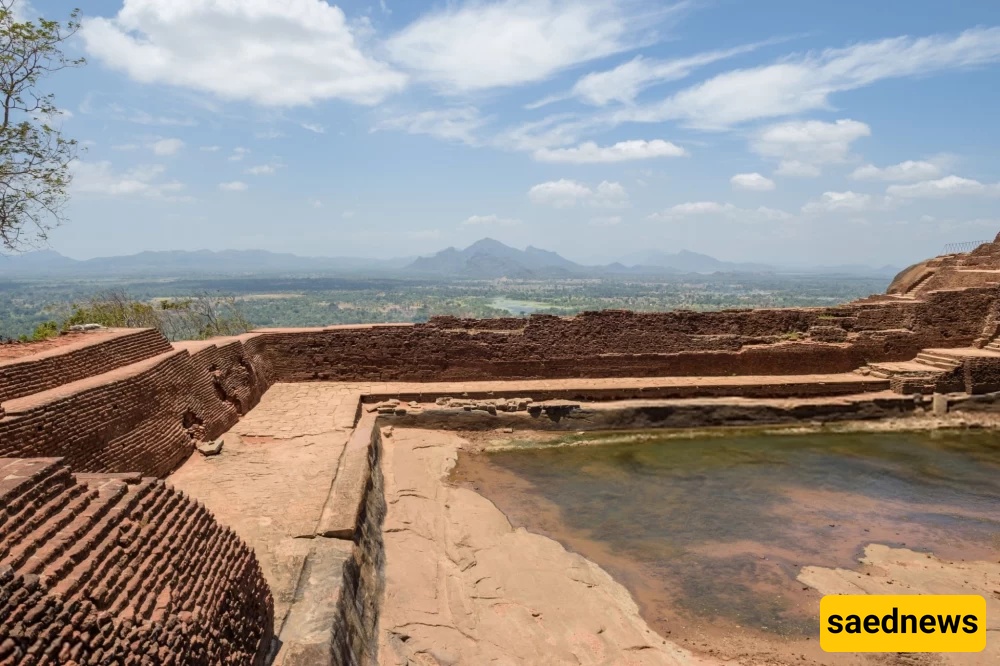
Since the fortress is located on top of a high rock, visitors should be physically prepared for the climb. Comfortable walking shoes, sufficient drinking water, and light snacks are recommended for the journey.
A camera is also essential for capturing the magnificent views, ancient artwork, and unique architectural details of the fortress.
Safety precautions are important while exploring Sigiriya. Visitors should be careful when walking along steep and rocky paths and avoid entering restricted or dangerous areas. It is also recommended to stay away from cliff edges and follow the instructions provided by local authorities.
Sigiriya Fortress: A Timeless Heritage of Sri Lankan Civilization
Sigiriya Fortress stands as one of the greatest examples of ancient architecture, engineering, and artistic achievement in Sri Lanka. Combining natural landscapes with human creativity, this remarkable site reflects the ambition, skill, and cultural richness of an ancient civilization.
Today, Sigiriya remains a symbol of Sri Lanka’s historical identity and continues to inspire travelers, historians, and artists from across the globe. Its breathtaking views, extraordinary architecture, and priceless artworks make it one of the most unforgettable cultural landmarks in South Asia.