SAEDNEWS: Here we review some of the most mysterious archaeological discoveries that have long amazed and baffled researchers.
According to the History and Culture Service of Saed News Agency, archaeologists constantly encounter astonishing man-made artifacts during excavations. These tangible discoveries reveal the history and lifestyles of people who lived thousands of years ago. They provide valuable data about past human societies, yet at the same time leave behind unanswered questions and enduring mysteries.
From the Baghdad Battery to the Tartaria Tablets, this article explores several mysterious archaeological discoveries that continue to amaze researchers and enthusiasts alike.
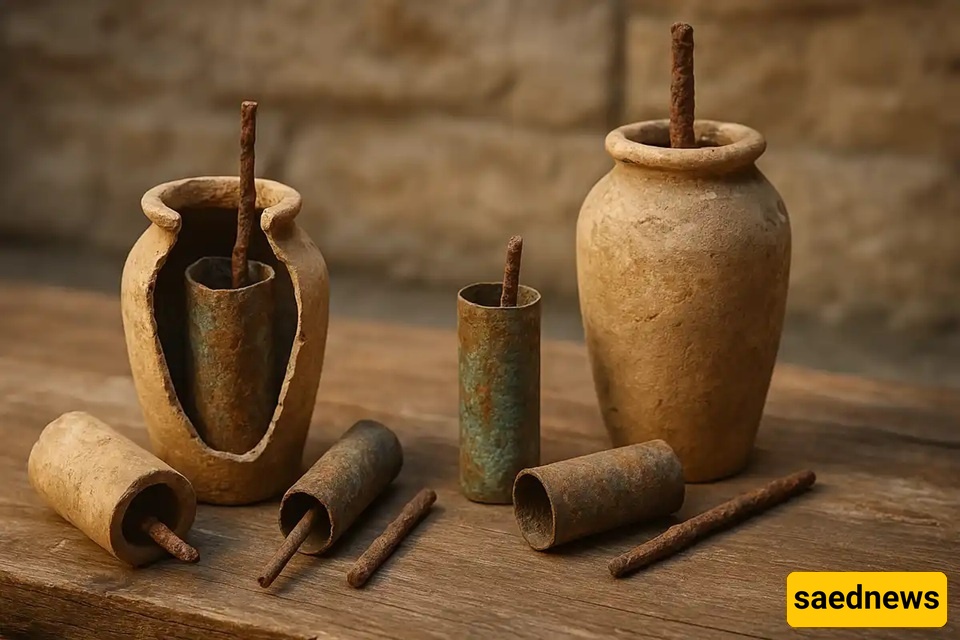
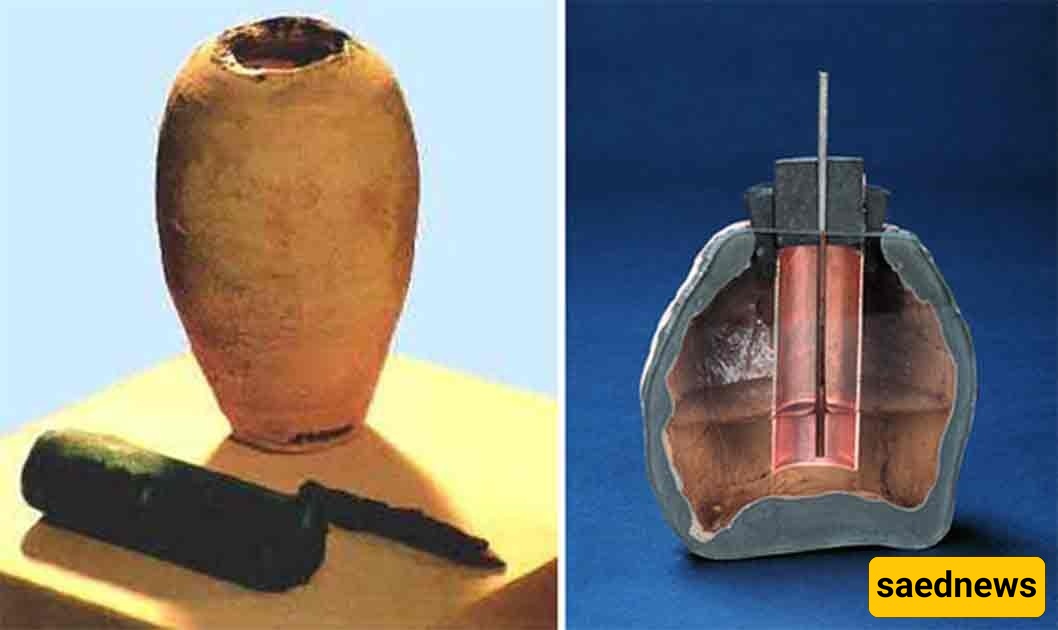
One of the most enigmatic artifacts, the so-called Baghdad Battery appears to showcase a fascinating and little-understood aspect of ancient technology. It was discovered in 1936 near the ruins of Ctesiphon in present-day Iraq, about 35 kilometers southeast of Baghdad.
The object consists of a clay jar (13–15 cm tall), a copper cylinder placed inside it, and an iron rod inside the cylinder. When assembled, the iron rod is separated from the copper by natural bitumen.
The Baghdad Battery continues to puzzle scientists. Some believe that if the jar were filled with an acidic liquid, it could function as a simple galvanic cell and produce a small electrical current (less than 1 volt). Others argue it may have been used simply as a container for scrolls or sacred objects. Whether ancient people truly used it as a battery remains unknown.
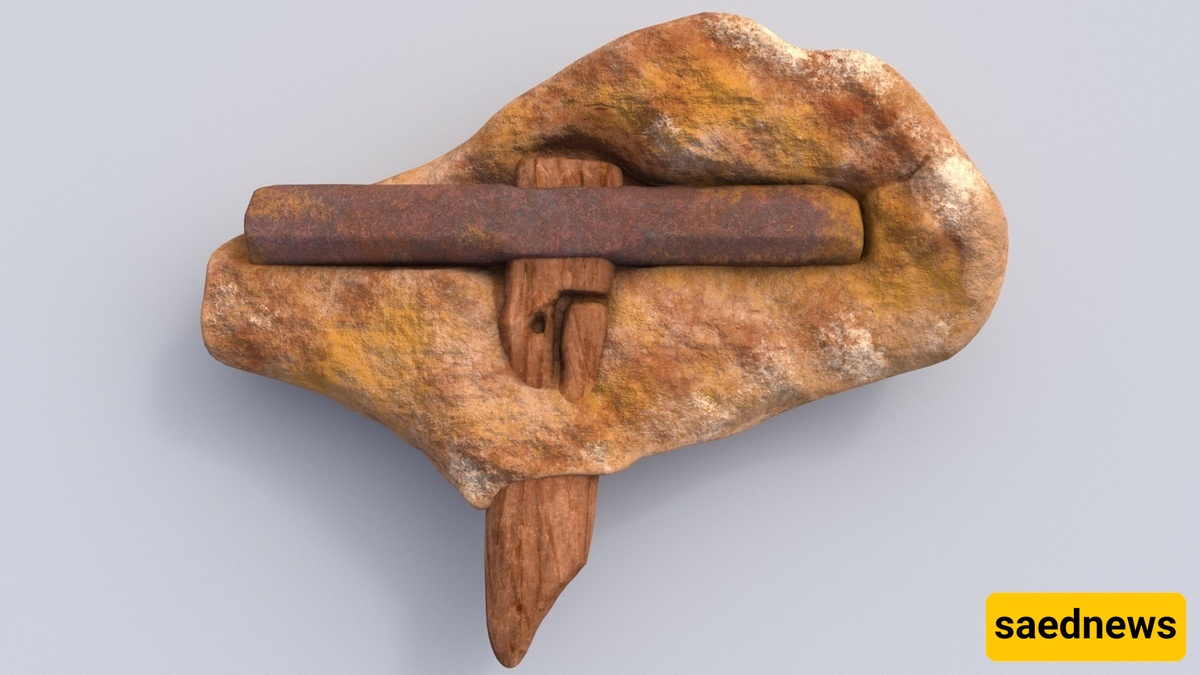
This controversial artifact is often cited in discussions of so-called “out-of-place artifacts.” The iron hammer was discovered in 1936 near the town of London, Texas, USA—not in an ordinary setting, but embedded within a rock formation believed to date back to the Cretaceous period.
The hammer resembles 19th-century mining tools, raising the question of how it could have become encased in a rock supposedly millions of years old. Some claim it was trapped in a 400-million-year-old rock, suggesting it could not have been made by modern humans.
However, geological explanations suggest otherwise. Mineral deposition processes can rapidly harden around objects, forming rock-like concretions. Most scientists therefore consider it a 19th-century tool encased naturally over time.
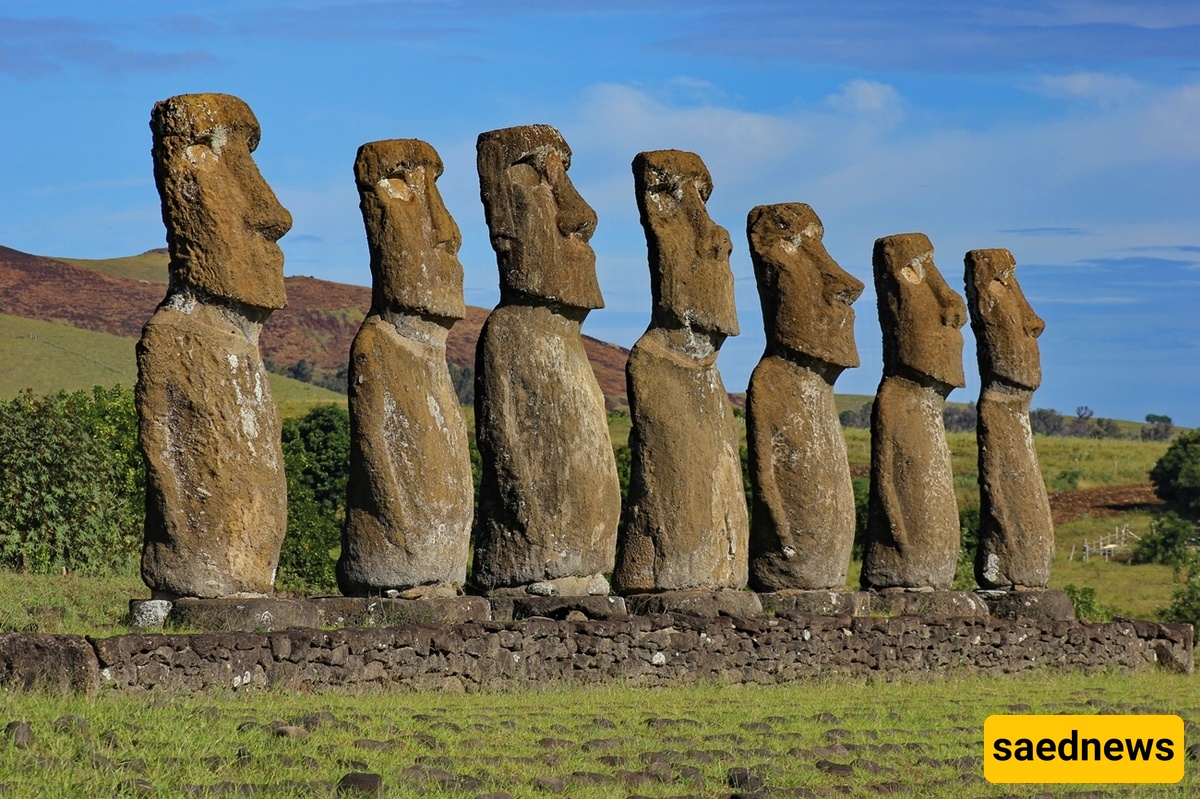
The island of Rapa Nui (Easter Island, Chile) is famous for its massive Moai statues, some reaching 12.19 meters in height and weighing up to 75 tons.
Many questions remain about their origin. Some believe they were built to honor deceased kings and preserve their spiritual presence. Their construction and transportation methods have long been debated, but researchers suggest they may have been moved using ropes and coordinated human effort from quarries to ceremonial platforms.
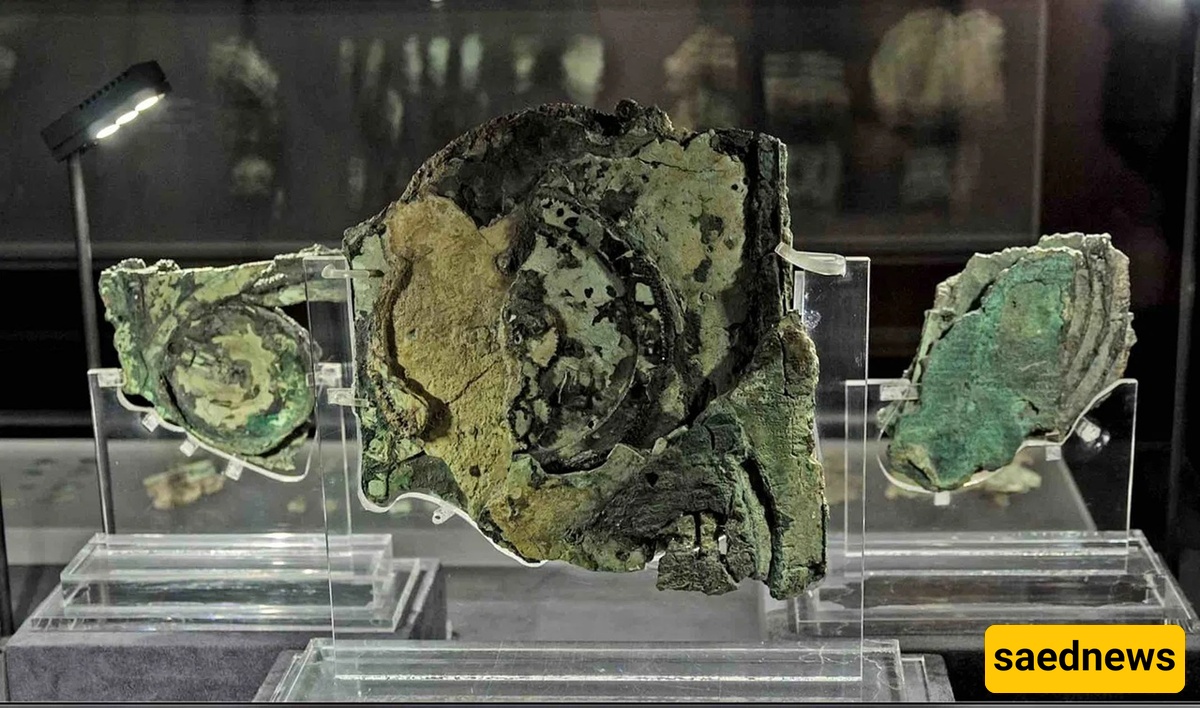
This ancient Greek device, made of bronze gears and housed in a wooden box about the size of a shoebox, is widely considered the world’s first analog computer.
It was designed to predict astronomical positions and eclipses decades in advance. Some researchers believe it was also used for calendrical purposes and possibly to track the timing of the Olympic Games.
Discovered in 1901 in a Greek shipwreck near the island of Antikythera, it is dated to between 150 and 100 BCE (with some estimates going as far back as 205 BCE). Its complexity was unmatched in Europe until the development of astronomical clocks more than a thousand years later.
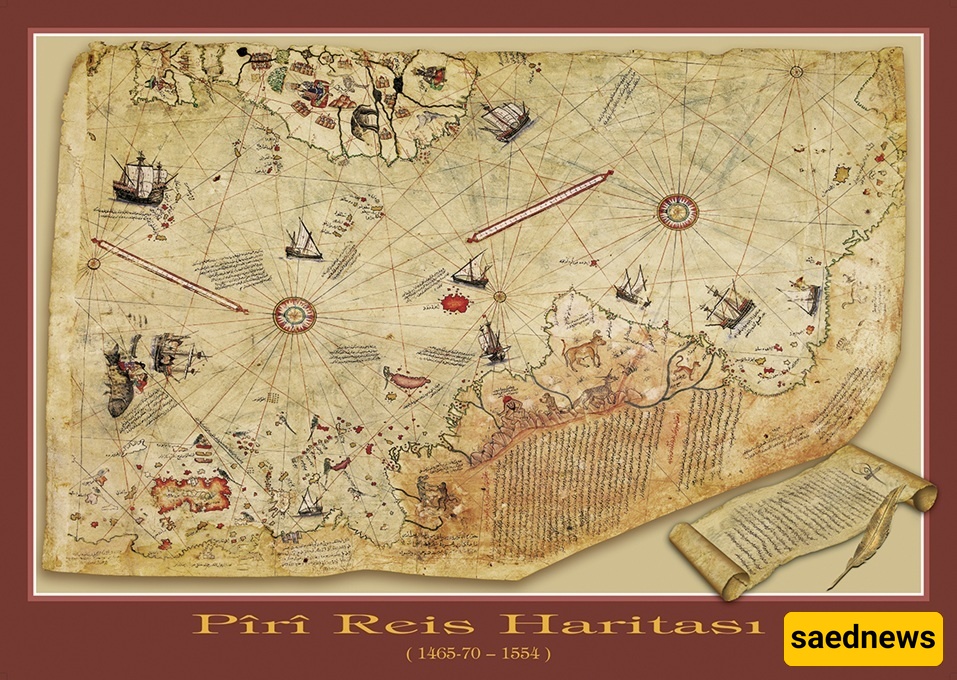
One of the most intriguing cartographic artifacts of the Age of Exploration, this map was drawn by Ottoman admiral and cartographer Piri Reis (1470–1553).
Created in 1513 using nearly 20 different source maps, it was drawn on deerskin. Only one-third of the original map survives today, rediscovered in 1929 in Istanbul’s Topkapı Palace.
It depicts parts of Europe, Africa, and South America with remarkable detail. Some annotations written by Piri Reis mention sources such as Portuguese and Arab maps, and possibly one from Christopher Columbus.
The map became controversial because some claimed it showed Antarctica without ice. However, most historians reject this interpretation, arguing that the area in question actually represents South America with distortions.
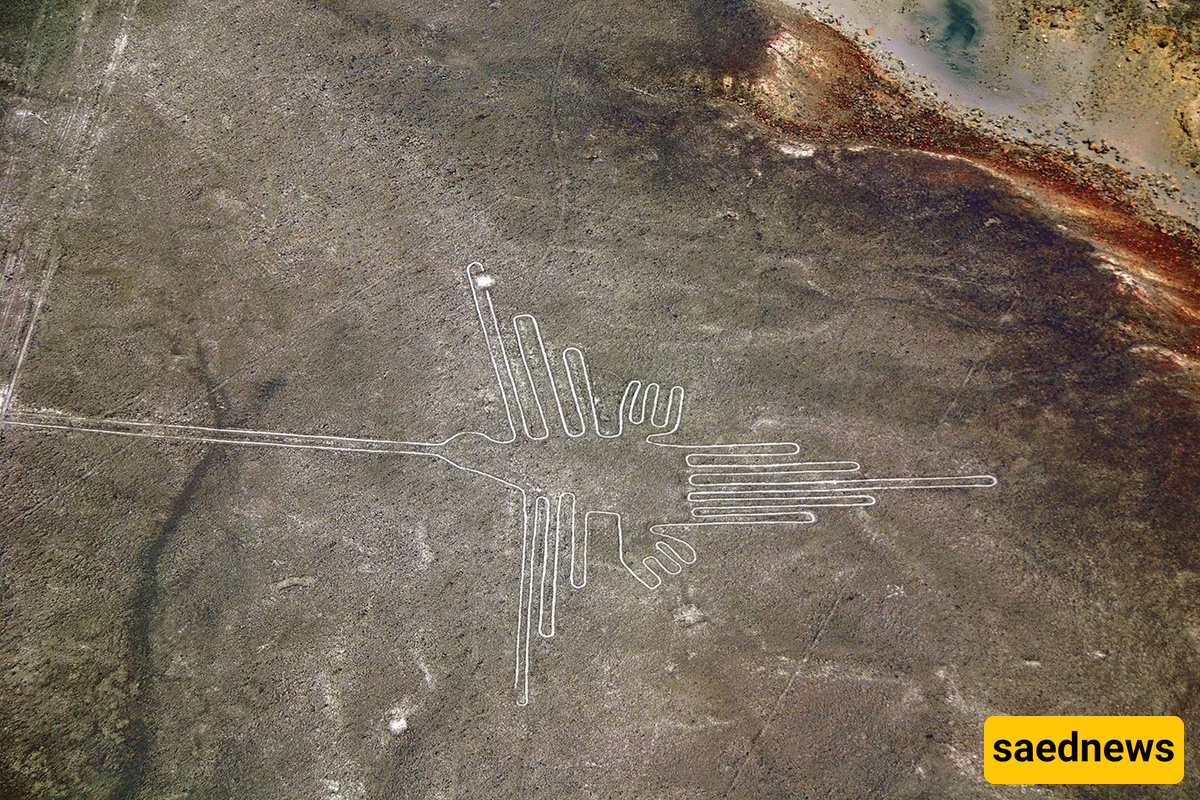
Located in southern Peru, the Nazca Lines are a series of pre-Columbian geoglyphs etched into the desert sands. They depict various animals and geometric shapes, and their exact purpose remains unknown.
They were created by removing the dark, oxidized surface stones to reveal the lighter sand beneath.
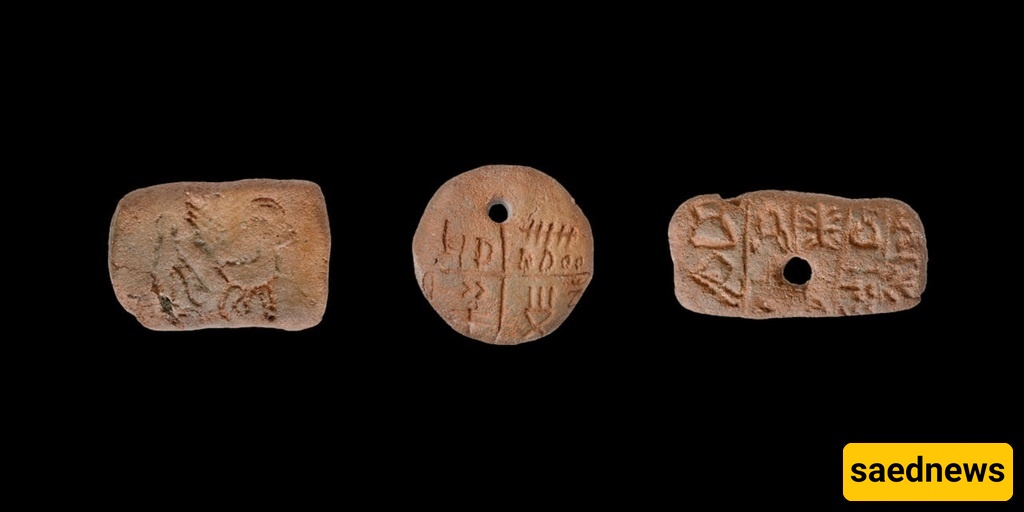
Some claim these ancient tablets contain unexpectedly advanced writing, though interpretations vary widely. They were discovered in 1961 by archaeologist Nicolae Vlassa at a Neolithic site in Tartaria, Romania.
They are sometimes described as among the earliest known forms of writing in the world, though this remains debated among scholars.
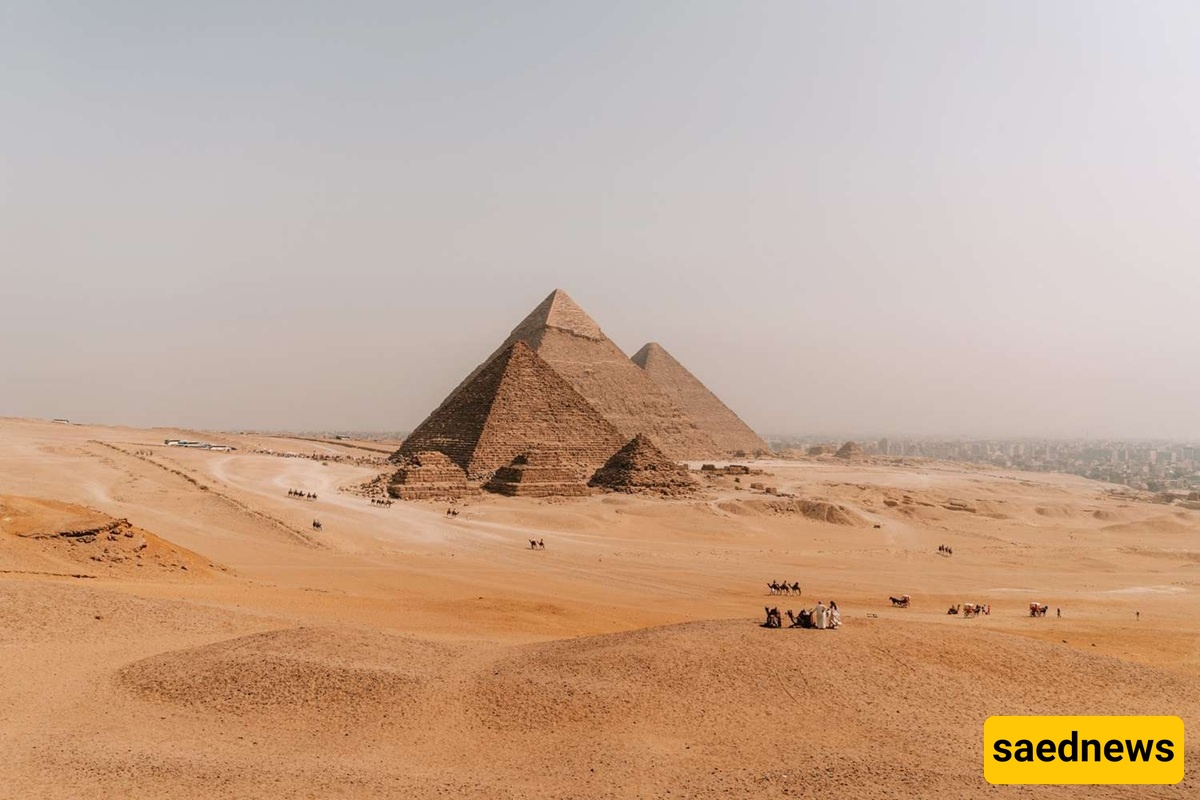
The Giza Pyramids near Cairo were built as tombs for pharaohs, intended to preserve their bodies and treasures for the afterlife.
Constructed from massive limestone blocks—millions in the case of the Great Pyramid—their building techniques and precise purpose continue to be subjects of scholarly debate.
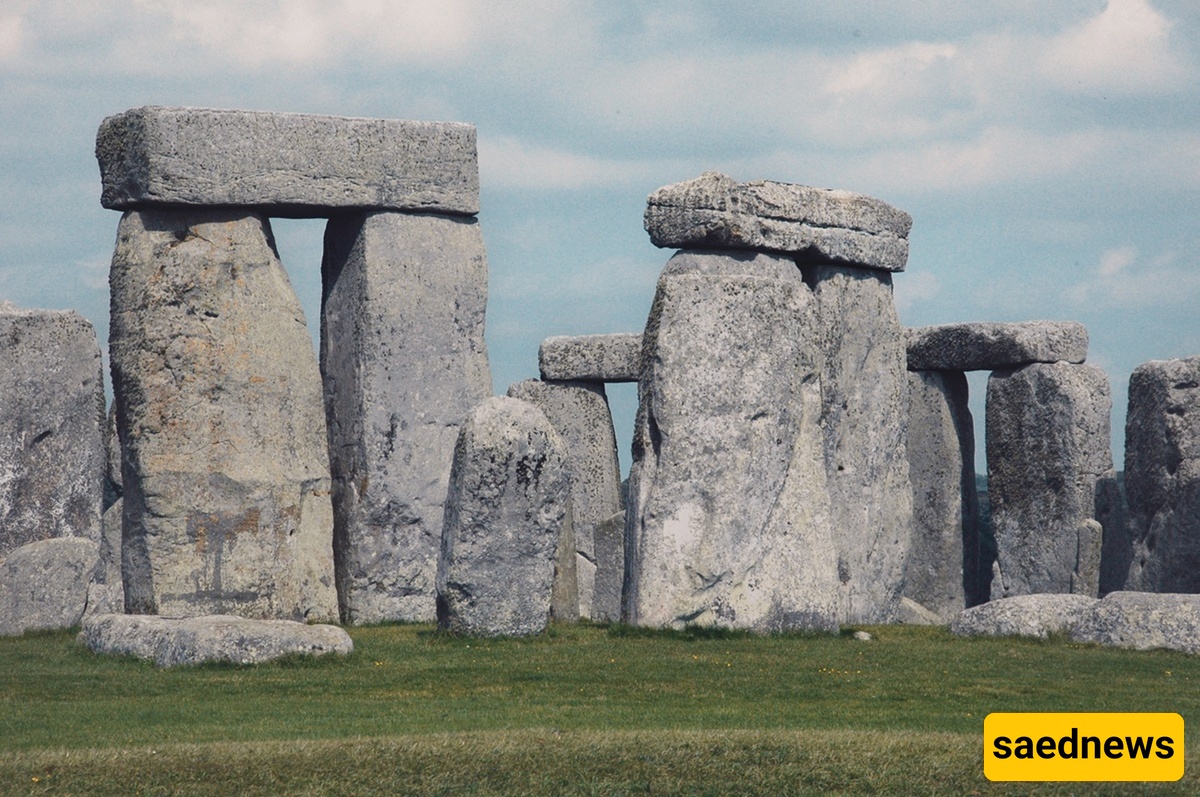
Located on Salisbury Plain in southern England, Stonehenge remains one of the world’s most mysterious prehistoric monuments.
Built roughly 4,000 to 5,000 years ago, it was likely part of a larger sacred landscape. Its exact purpose and construction methods remain unknown, continuing to intrigue researchers and visitors alike.