Saed News: The common cold sore virus, which is usually transmitted during childhood, typically remains in the body for life and lies dormant in the nerves. This virus, known as Herpes Simplex Virus Type 1, may also play an important role in a much more serious disease: Alzheimer’s.
According to SAEDNEWS, This article is a summary of the findings of Professor Ruth Itzhaki and her colleagues. Ruth Itzhaki is a British researcher in the field of neuroscience and Alzheimer’s disease. She explains her research as follows:
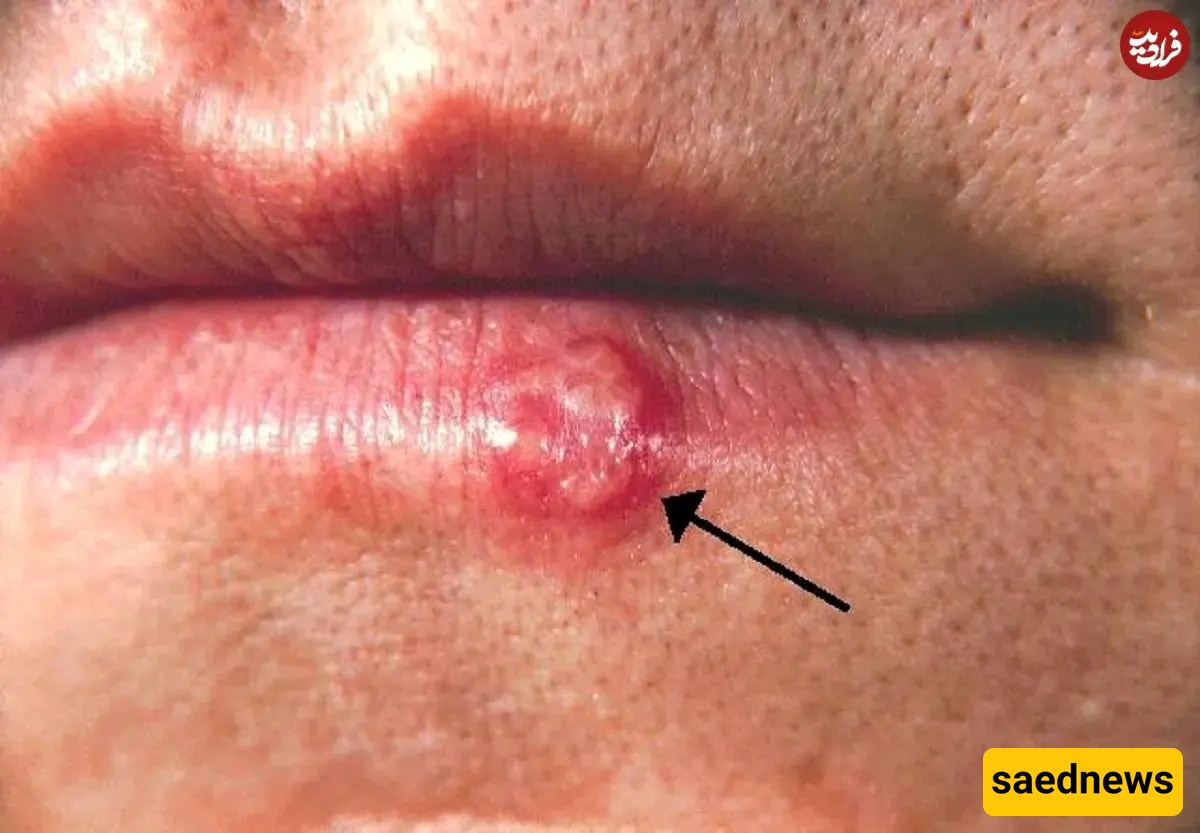
The common cold sore virus, which is usually transmitted during childhood, typically remains in the body for life and lies dormant in the nerves. Sometimes factors such as stress, illness, or injury can activate it and in some people cause cold sores. However, this virus, known as Herpes Simplex Virus Type 1, may also play an important role in a much more serious disease: Alzheimer’s.
More than 30 years ago, my colleagues and I made a surprising discovery. We found that this cold sore virus can exist in the brains of elderly people. This was the first clear evidence that a virus could live silently in the brain, a place previously believed to be completely free of microbes and protected by what is called the blood-brain barrier.
Then we reached a more important finding. People who carry a specific gene variant called APOE-e4, which increases the risk of Alzheimer’s, and are also infected with this virus, are several times more at risk.
To investigate further, we studied brain cells that we had infected with the virus. These cells produced the same abnormal proteins, amyloid and tau, which are seen in the brains of Alzheimer’s patients.
We believe this virus can remain dormant in the body for years or even decades. But in older age, when the immune system becomes weaker, it can enter the brain and become active again. When this happens, it damages brain cells and causes inflammation. Over time, repeated activations can gradually cause damage that leads to Alzheimer’s in some individuals.
Later, we found the DNA of this virus in the sticky protein plaques found in the brains of Alzheimer’s patients. More encouragingly, antiviral treatments reduced this damage in laboratory conditions, suggesting that drugs may one day help slow or even prevent the disease.
Large population studies by other researchers showed that severe infections, especially with the herpes virus, are strong predictors of Alzheimer’s, and that certain antiviral treatments reduce the risk.
Our research did not stop there. We examined whether other viruses that remain dormant in the body could have similar effects, such as the virus that causes chickenpox and shingles. The herpes virus remains hidden in the body from childhood and sometimes appears as cold sores.
When we reviewed the health records of hundreds of thousands of people in the UK, we noticed an interesting finding. Those who had received the shingles vaccine were less likely to develop dementia (such as Alzheimer’s) compared to others.
A new study led by Stanford University showed similar results. These findings support our long-standing hypothesis that preventing common infections may reduce the risk of Alzheimer’s. Consistently, other studies have also shown that infections are a risk factor and that some vaccines also have a protective effect against Alzheimer’s.
We then examined how Alzheimer’s risk factors such as infections and head injuries might activate dormant viruses in the brain.
Using an advanced three-dimensional brain model latently infected with the herpes virus, we observed that when other infections were introduced or brain injury was simulated, the cold sore virus reactivated and caused damage similar to that seen in Alzheimer’s. However, when we used a treatment to reduce inflammation, the virus remained inactive and no damage occurred.
All these findings suggest that the virus causing cold sores may be one of the important factors in the development of Alzheimer’s, especially in individuals with genetic risk factors. It also opens the door to new prevention methods, such as vaccines or antiviral treatments that prevent viral reactivation and brain damage.
What began as a simple link between cold sores and memory decline has now become a much larger story; one that may help us better understand and ultimately reduce the risk of one of the most frightening diseases of our time.