SAEDNEWS: Archaeologists working in the ancient city of Phanagoria in southern Russia have discovered several small clusters of coins that are believed to be the remains of wallets dropped during a catastrophic fire in the mid-sixth century AD.
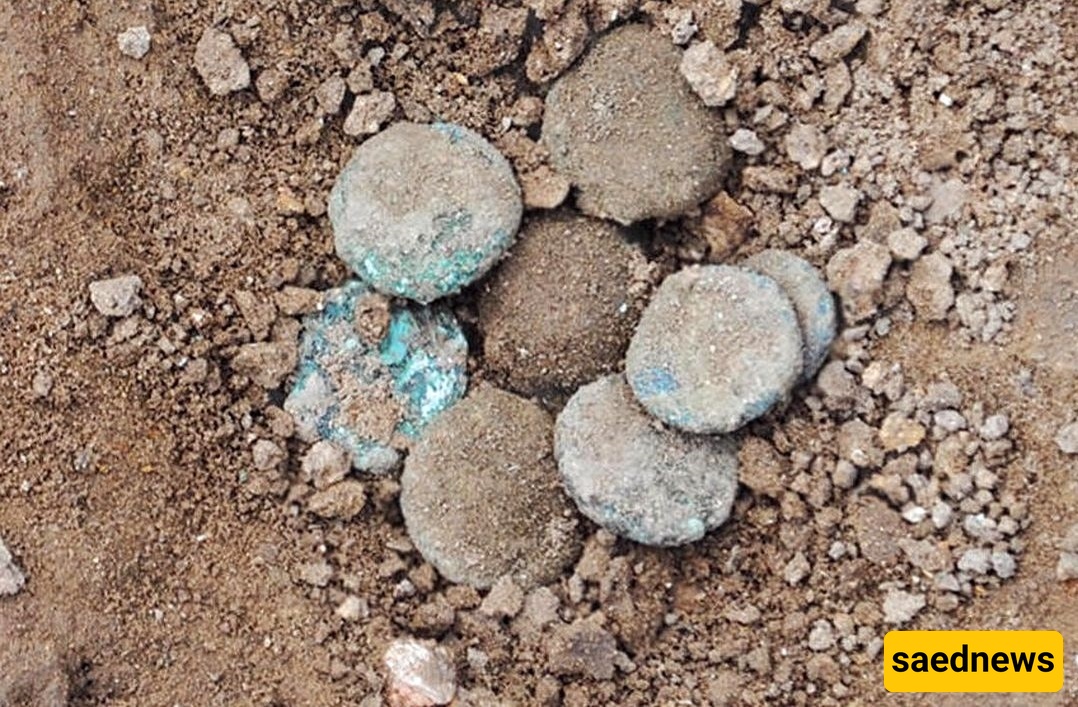
According to Saednews report, Recent excavations in the “Lower City” area of the ancient site of Phanagoria have uncovered significant finds, including clusters of coins believed to be the contents of at least four wallets. Archaeologists suggest these belongings were lost by residents during chaos and flight amid a devastating fire.
Phanagoria was no ordinary settlement. Founded in the 6th century BCE by Greek settlers, it quickly became a major center on the Taman Peninsula, a strategic region between the Black Sea and the Sea of Azov. By the 5th century BCE, it had become part of the powerful Bosporan Kingdom, serving as an administrative hub for its Asian territories. For centuries, the city thrived as a cultural and commercial crossroads linking the Greek world, steppe peoples, and eastern trade routes, maintaining its importance long after many other ancient cities declined.
The archaeological layer containing these wallets has been dated to a violent event between 545 and 554 CE. Both material evidence and historical records support this dating. The discovery of a coin from the reign of Justinian I, along with accounts of the city’s destruction, indicates that Phanagoria was destroyed in a military attack rather than an accident. In this area, remains of a synagogue, service buildings, and a Jewish quarter were also uncovered, all destroyed in the same fire. Stone projectiles associated with siege weapons were found nearby, further confirming an armed assault. It appears that residents may have taken refuge in the synagogue during the attack.
In the chaos, people lost whatever they were carrying. The wallets themselves—likely made of leather or fabric—have not survived, but the coins remained in compact clusters where they fell.
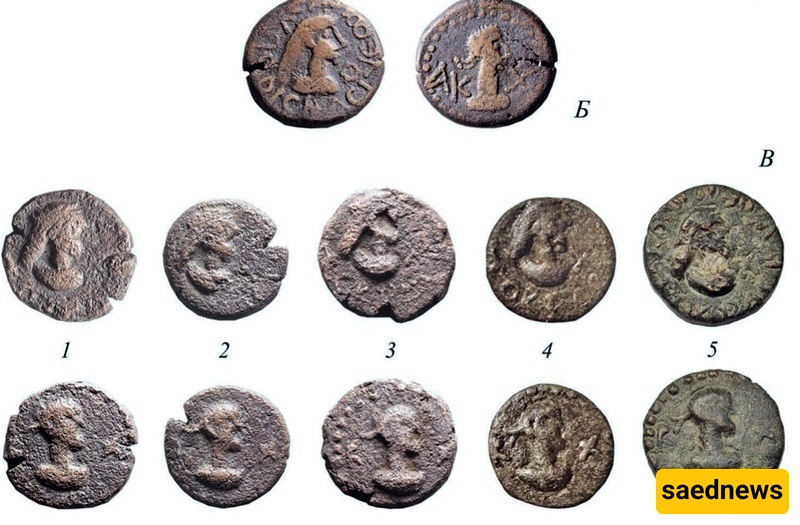
Each wallet contained between three and ten bronze coins, originally minted by Bosporan rulers. Economically, these were modest sums, suggesting the owners were ordinary residents rather than wealthy elites. However, the historical significance of the discovery is substantial. Notably, the coins were minted more than two centuries before the fire yet were still in circulation in the 6th century CE. This indicates that the local monetary system continued to rely on older coinage, likely due to a shortage of newly minted currency.
One of the wallets also contained counterfeit coins. These imitations closely resemble genuine issues but feature crude and inaccurate designs and inscriptions. Interestingly, all the counterfeit coins were produced using a single mold, suggesting local production in the final years before the city’s destruction. Their presence may reflect economic strain or weakened central control, which may have encouraged counterfeiting. The findings also revise previous assumptions about the timeline of such practices, showing that they persisted into the 6th century.