SAEDNEWS: After the Allied occupation of Iran in World War II, American forces entered Tehran and, by order of Ahmad Qavam, were stationed in Amirabad, where they built a well-equipped military camp and mined its surroundings for security.
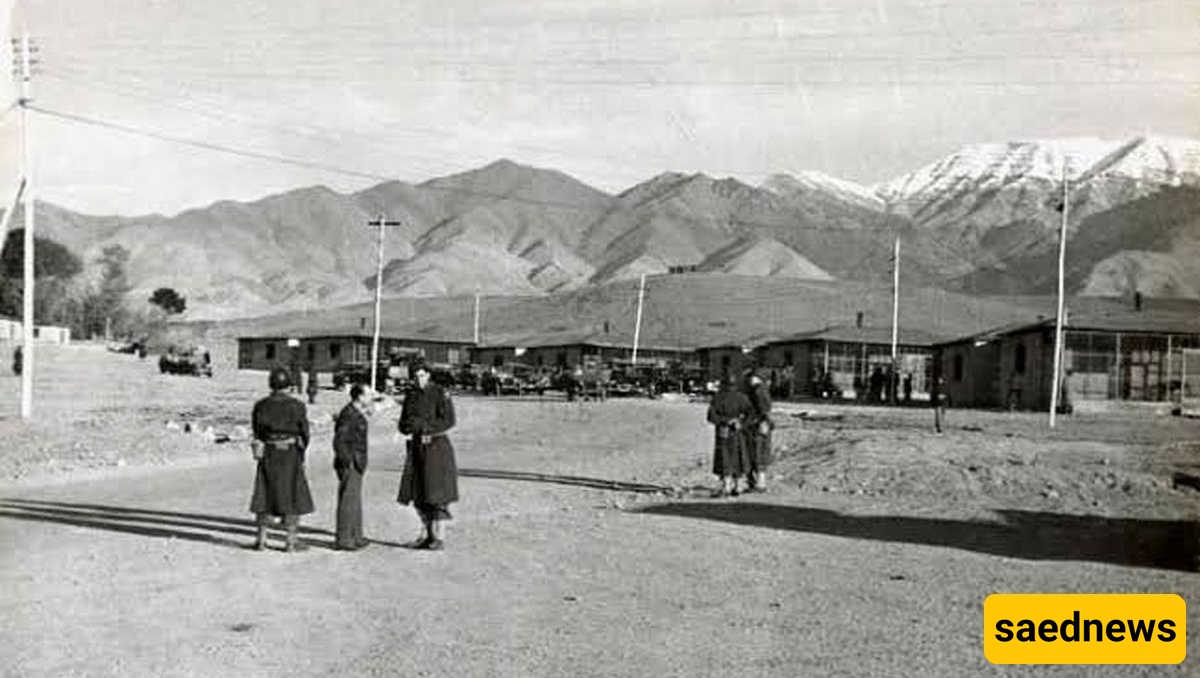
According to Saed News’ Society Service, citing Hamshahri, the establishment of this military camp had a significant impact on the structure and daily life of the neighborhood. Some sources report the presence of around 28,000 American soldiers in the area. The Americans, believing their stay would be long-term, quickly began extensive construction projects.
They created a wide range of facilities, including repair workshops, a motor pool, several fully equipped dormitories, bathrooms and public sanitation facilities, dozens of service buildings, medical centers, a water treatment plant, a swimming pool, a power plant, and even an ice factory to meet their daily needs. However, their presence in Tehran did not last long, and their long-term plans remained unfinished.
During those years, diseases such as cholera and typhus spread in the capital. According to Tehran historian Nasrollah Haddadi, some American soldiers also died from these illnesses. Since Iran was not involved in a direct war, the deaths of these soldiers were mostly attributed to natural causes and disease. As a result, the Americans established a small cemetery in Amirabad, believed to have been located around the outer area of the current Faculty of Engineering, although its exact location is now unknown.
Alongside these facts, there are also narratives and rumors about this period, including claims that when the forces withdrew, the bodies of some high-ranking officers were taken with them, though the accuracy of these claims has not been confirmed.
Amirabad remained under American control until around 1945, and during this period, Franklin D. Roosevelt reportedly visited the camp during the Tehran Conference. The area was later repurposed and eventually became the University of Tehran dormitory complex.