SAEDNEWS: Semnan Province is considered one of the most diverse provinces in Iran in terms of handicrafts. Exploring the remarkable traditional arts of this province offers a fascinating and enriching experience.
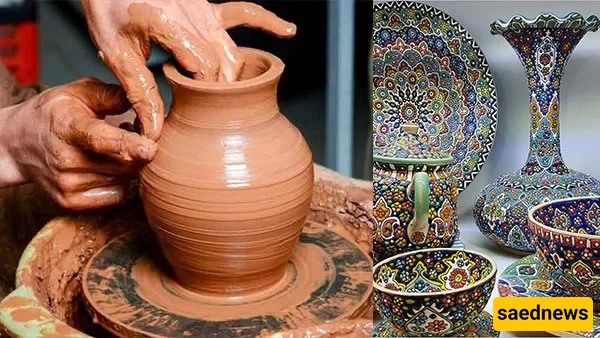
According to Saednews, Semnan Province is one of the large and populous provinces of Iran, with a rich history, ancient civilization, and distinctive cultural heritage. Although many regions of Iran are renowned for their handicrafts, Semnan stands out for the remarkable variety and diversity of its traditional arts. Local artisans have preserved many of these crafts through generations, making them an important part of the region’s cultural identity.
Carpet weaving is one of the traditional crafts practiced in Semnan Province. Although the development of modern machinery has increased the popularity of machine-made carpets, handwoven carpets continue to be produced and remain highly valued. Semnan carpets commonly feature traditional designs such as geometric panels, corner-and-medallion patterns, vase motifs, and floral or bird designs. Dark red and navy blue are among the colors traditionally used as background shades.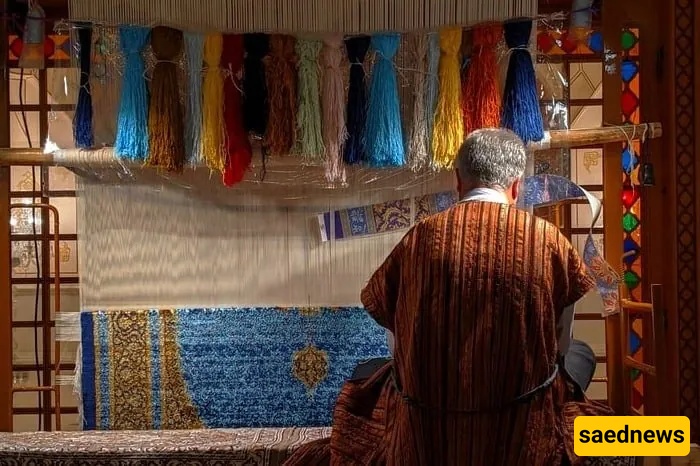
Knife making is another traditional craft associated with Semnan. Local artisans produce knives in a variety of designs and qualities. Semnan’s knives are sometimes compared with those made in Zanjan, another Iranian region famous for traditional knife craftsmanship, particularly in terms of variety and workmanship.
Felt making is one of the oldest traditional crafts in Semnan and has a long history in the region. Handmade felt products, particularly felt floor coverings, are traditionally produced in areas including Damghan, Semnan, and Shahroud. Felt is considered one of the distinctive handicrafts of the province.
Qalamkar printing is a traditional method of decorating fabric using carved wooden blocks. Before modern printing machinery became widespread, artisans in Semnan used traditional techniques to create patterns on textiles. Today, wooden blocks with raised designs are still used to transfer decorative motifs onto fabric.
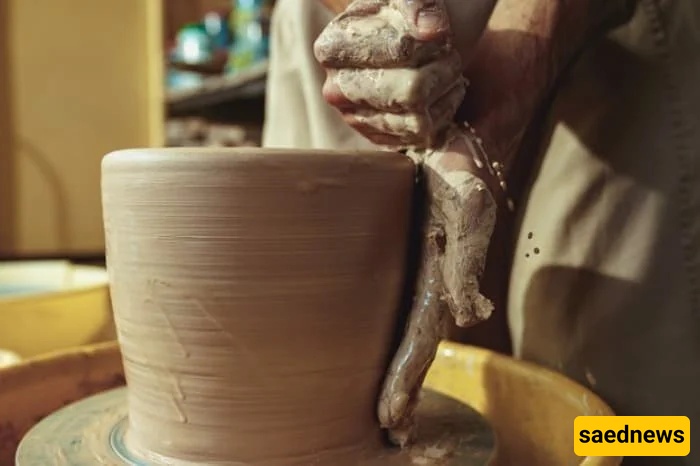
Semnan is also well known for its pottery and ceramic products. Pottery has been practiced in the region since ancient times. The availability of suitable, high-quality local clay has contributed to the development of pottery and ceramic craftsmanship in the province.
Kilim weaving has been practiced in Semnan for many decades. Compared with Persian carpets, kilims generally have simpler and lighter woven designs and are usually more affordable. They are traditionally used as floor coverings and decorative textiles.
Jajim is a traditional flat-woven textile that has considerable cultural value among the people of Semnan. It is generally made from cotton or wool and woven with colorful yarns. In addition to being used as a floor covering, jajim can be used for wrapping and storing household items. Some locally produced varieties are also used as traditional cloth bundles or coverings.
Chadorshab is a traditional textile from Semnan that was historically used as a covering or bedspread. It is essentially a versatile woven fabric that can serve a variety of household purposes. Its traditional production is considered part of the region’s textile heritage.
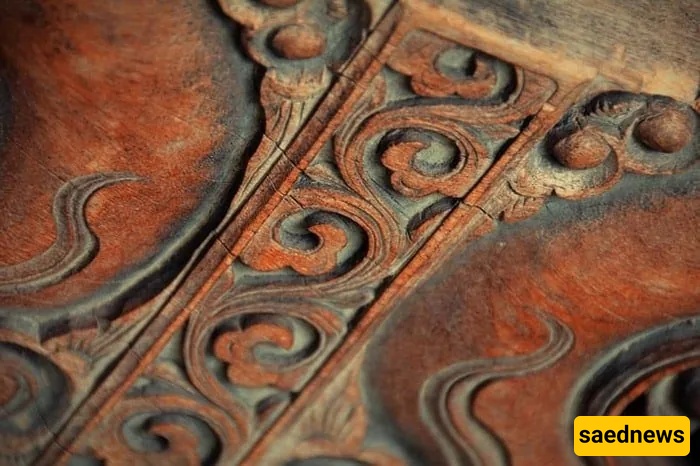
Woodcarving, known as Monabbat-kari, is another traditional art practiced in Semnan. With its long history in the region, this craft involves carving decorative patterns and raised designs into wood. The detailed relief work gives wooden objects a distinctive artistic appearance.
Sculpture and three-dimensional art are also associated with Semnan’s artistic traditions. In this craft, artists use their creativity and technical skills to produce distinctive and lasting three-dimensional works. Semnan is regarded as an important center for this form of artistic expression.
Karbas is a traditional fabric made from cotton fibers. Its production dates back at least a century and it is regarded as one of Semnan’s traditional textile crafts. Different varieties include plain white Karbas, white Karbas with decorative borders, and dark blue or indigo Karbas with pronounced stripes. Traditionally, it has been used to make items such as towels, traditional garments, and dining cloths.
Golij is a lesser-known traditional textile that resembles a kilim. It is woven using equipment similar to traditional looms used for textile production. Golij is made from cotton combined with wool weft threads. The craft is traditionally practiced in villages such as Chashm, Aroost, and Foolad Mahalleh.
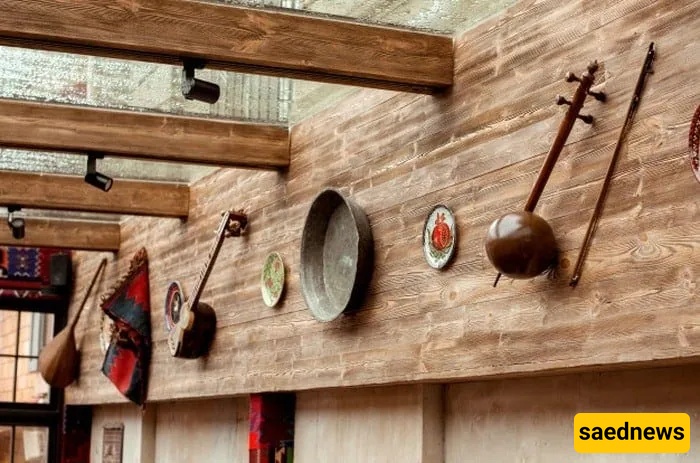
Semnan can also be considered a center for the production of traditional musical instruments. Artisans use materials such as wood, ram's horns, and animal skins to create a variety of instruments. These locally made instruments are known for their craftsmanship and diversity.
Palas is a type of woolen kilim traditionally used as a floor covering. Palas and jajim share several similarities, but their patterns differ. Palas commonly features colorful horizontal stripes, while jajim traditionally incorporates vertical lines. Palas can also be used as a prayer rug.
Patchwork, locally known as Chehel-Tekeh-Duzi, has a special place among the traditional crafts of Semnan. Similar forms of patchwork are practiced in many parts of Iran under different names. This craft has a long history, and some accounts trace its origins back to the Seljuk period.
Chogha, also known as Chukha or Chogha, is a traditional short-sleeved outer garment characterized by its black-and-white design. Its distinctive pattern consists of vertical black lines woven into a white background. It has traditionally been worn by Bakhtiari nomads and rural communities in western Iran.
Like kilims, Chogha is woven rather than knitted. However, it is produced with a finer and thinner weave and is traditionally made from wool and cotton.
In the past, traditional blacksmithing was locally referred to as Chelangari. This craft has long been practiced in Semnan, although it has gradually declined in modern times. Traditional Chelangari produced a range of lightweight metal tools and implements, including bent-head nails, measuring tools, tongs, chains, chisels, awls, leather-working needles, and other small metal instruments.
Together, these crafts reflect the long-standing artistic traditions of Semnan Province and demonstrate the diversity of Iranian handicrafts, from textile weaving and pottery to metalworking, woodcarving, and traditional instrument making.