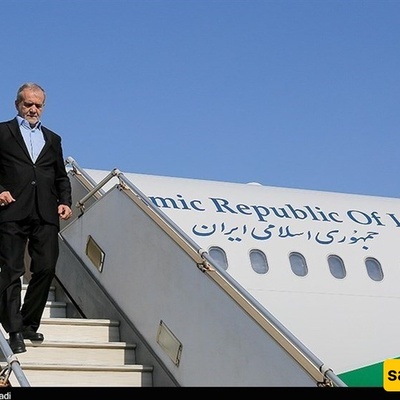
SAEDNEWS: Iranian Parliament Speaker Mohammad-Bagher Ghalibaf said foreign forces and the foreign coalition in Iraq are approaching their final and definitive withdrawal. He also highlighted discussions with Iraqi officials on security, economic cooperation, border issues, cultural affairs and regional stability.
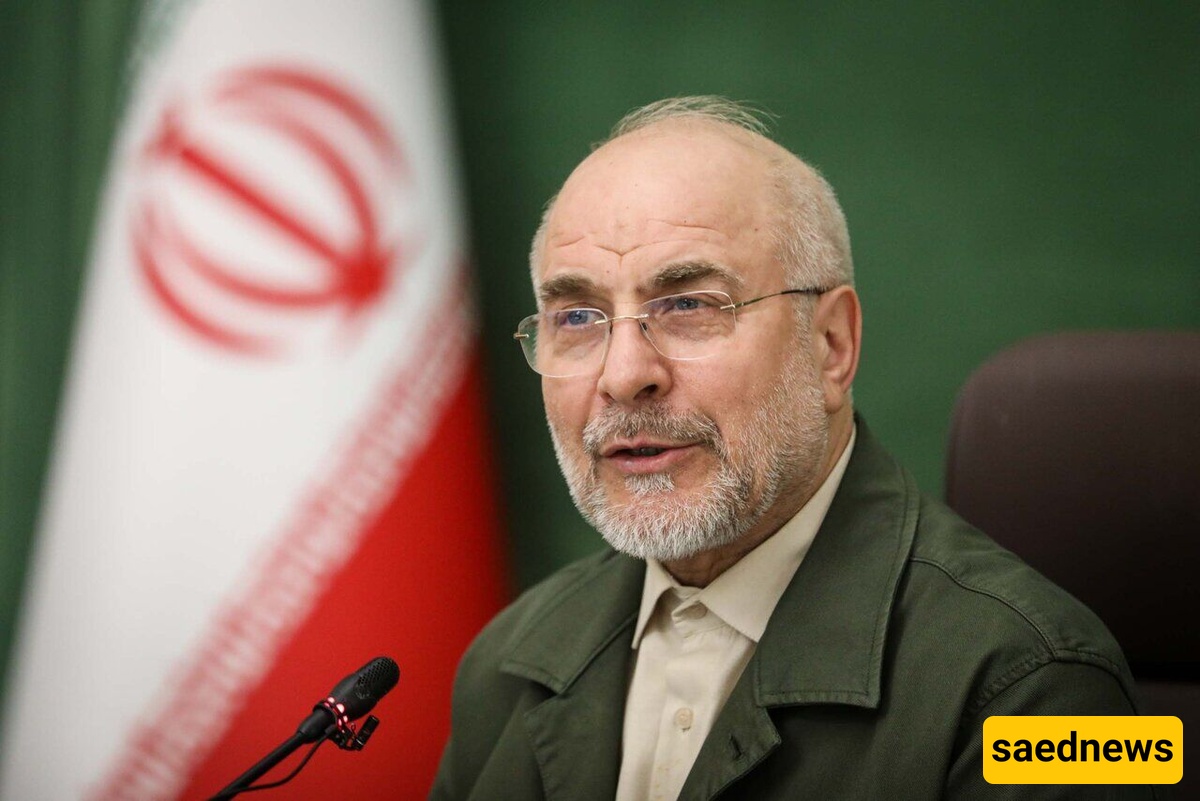
According to SaedNews: Iranian Parliament Speaker Mohammad-Bagher Ghalibaf said after returning from a three-day visit to Iraq that major changes are underway in Southwest Asia, signaling a significant transformation in the regional order.
During the visit, Ghalibaf held talks with Iraq’s president, prime minister, parliament speaker, head of the judiciary, secretary of the Supreme National Security Council and national security adviser. He also met Iraqi businesspeople, representatives of the country’s chamber of commerce and Iranians active in Iraq’s economy.
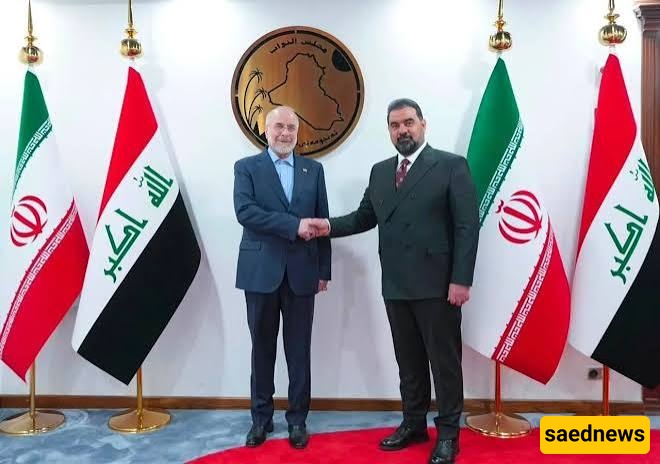
Ghalibaf described the discussions with senior Iraqi officials as warm, close and brotherly. He said foreign forces and the foreign coalition that remained in Iraq for years after the country’s occupation are now approaching a final and definitive withdrawal. He added that Iraq’s territory and airspace would consequently be free of their presence, allowing the country and its people and government to exercise full independence and sovereignty.
The parliament speaker called the development an important step and said the talks provided an opportunity to address security, political, economic and cultural issues.
He also referred to a detailed security agreement and memorandum of understanding between Iran and Iraq covering security and border protection, saying the two sides discussed implementation and follow-up. Security issues and Iraqi groups were also addressed, while Ghalibaf stressed that Iran does not interfere in Iraq’s internal affairs.
He said Iran would support any agreement reached by Iraqi groups and officials within their constitution and while preserving Iraq’s independence, sovereignty and governance. As a neighboring and friendly country, he added, Iran can also help maintain Iraq’s security.
Ghalibaf further said that, as he had noted during and before the 40-day war, Islamic nations, regional governments and particularly Gulf states have increasingly come to believe that the presence of occupying forces and the United States in the region, along with what he called Israeli regime provocations, cannot establish security and instead produce insecurity and damage.
He said Iran is more prepared than ever to help establish sustainable, endogenous security through cooperation and understanding among regional countries.
Economic cooperation was another major subject of the visit. Ghalibaf said talks were held with both the Iraqi government and private sector, noting that sanctions have placed pressure on both Iran and Iraq but could also create an opportunity for closer cooperation.
Because time was limited, the sides agreed to hold another meeting within two weeks. Iraqi chamber of commerce representatives and businesspeople are expected to travel to Tehran, alongside Iranian traders and chamber officials, with relevant government ministries participating to develop practical economic cooperation in various fields.
Ghalibaf also referred to a ceremony in Karbala held on the night of Friday, marking the 40th day of the burial ceremony for the martyred leader. He said he spoke with Iraqi people and officials there and conveyed the Iranian nation’s message, as well as the message of Supreme Leader and the thanks of the household of the martyred Imam and leader.
He added that discussions also covered cooperation over the annual Arbaeen ceremonies and matters related to religious pilgrimage and tourism.
Ghalibaf described the trip as successful and practical in economic, social, cultural, political and security fields, particularly given the sensitive circumstances of the region. He thanked the Iraqi people and officials for their hospitality and for holding intensive and productive meetings, saying the visit produced conclusions that would benefit both nations across various areas.
According to Tasnim, Ghalibaf had traveled to Iraq at the head of a parliamentary delegation for talks with Iraqi officials on shared political, economic, security and cultural issues, as well as visits to holy sites. He returned to Tehran after three days of intensive work in Iraq.