SAEDNEWS: This article explores the exact cooking times for split peas in a regular pot and pressure cooker for various dishes, including Gheimeh stew, Ash soup, regular soups, and meatballs. It also provides professional tips for perfectly cooked split peas.
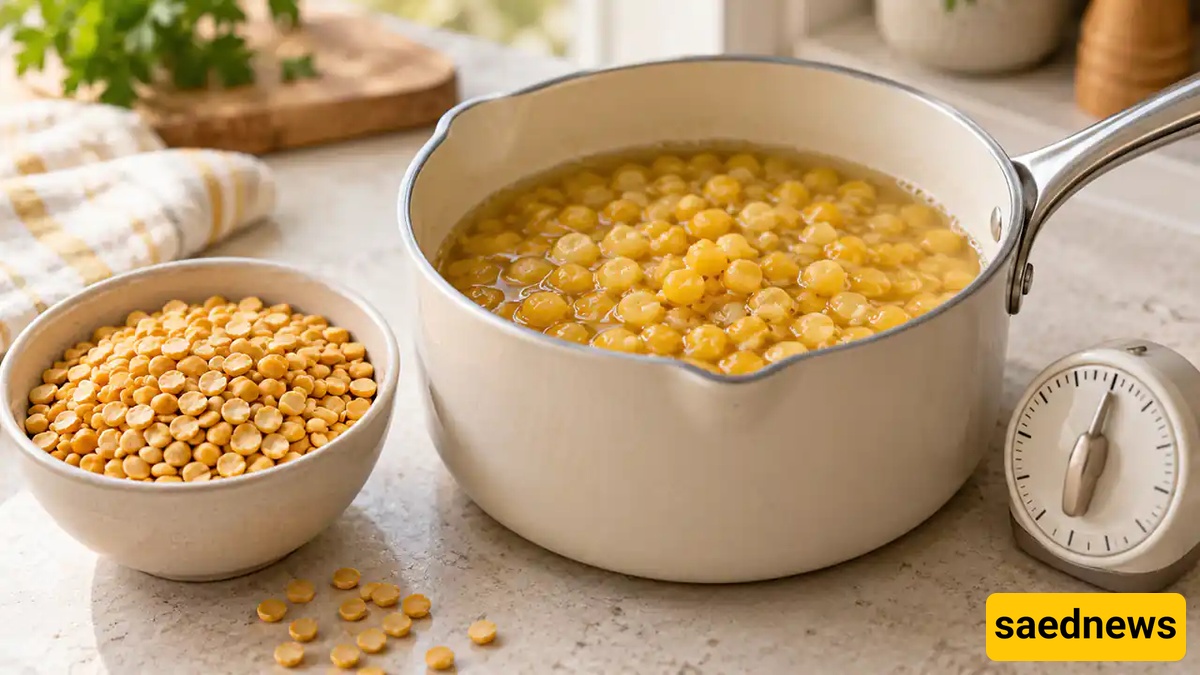
According to Saednews, Split peas are one of the most commonly used legumes in Iranian cuisine. They are used in dishes such as Gheimeh stew, Ash (Persian soup), soups, meatballs, and even some appetizers. The final quality of these dishes largely depends on how long the split peas are cooked.
If split peas are undercooked, they develop a hard and unpleasant texture. On the other hand, overcooking makes them mushy and pasty. Therefore, knowing the cooking time for split peas in a regular pot and a pressure cooker is essential for every home cook.
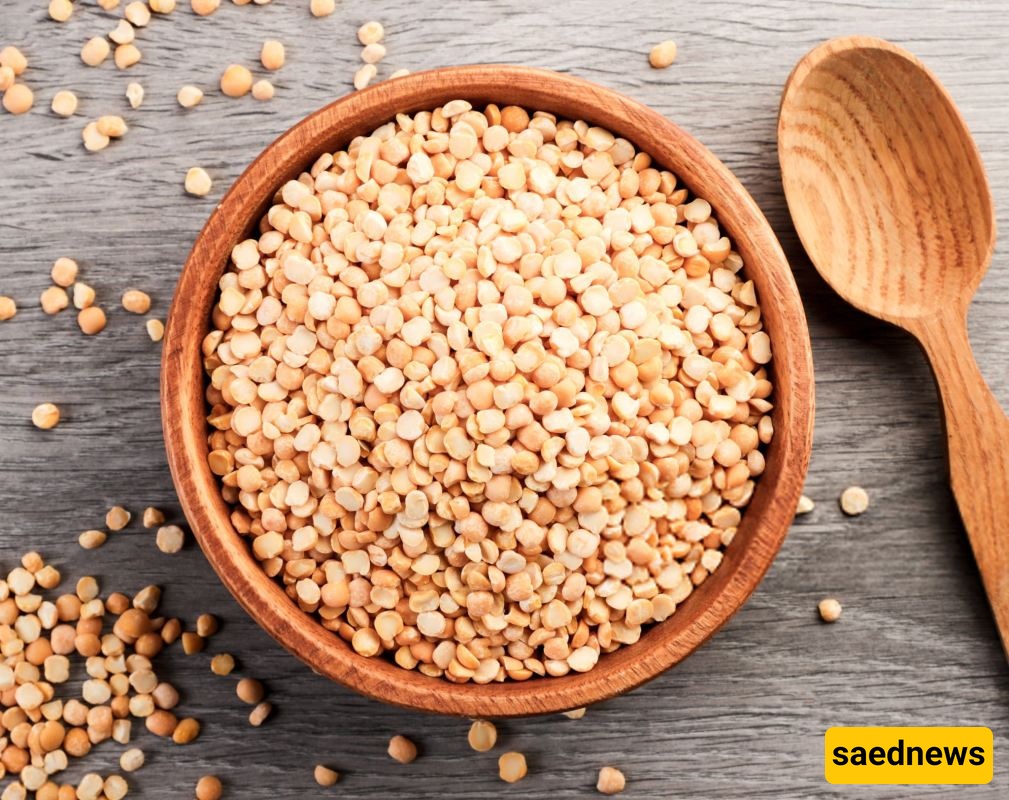
This article explores the exact cooking times for split peas in different dishes, proper cooking methods, factors affecting cooking time, and professional tips for achieving the best results.
Cooking Method | Soaking | Approximate Cooking Time | Best Uses |
|---|---|---|---|
Regular pot | Soaked | 25–35 minutes | Gheimeh, soup, meatballs |
Regular pot | Not soaked | 45–60 minutes | Ash, purée |
Pressure cooker | Soaked | 8–12 minutes | Gheimeh, soup |
Pressure cooker | Not soaked | 15–20 minutes | Ash, cooked dishes |
These cooking times are approximate and should be adjusted by testing the texture of the split peas.
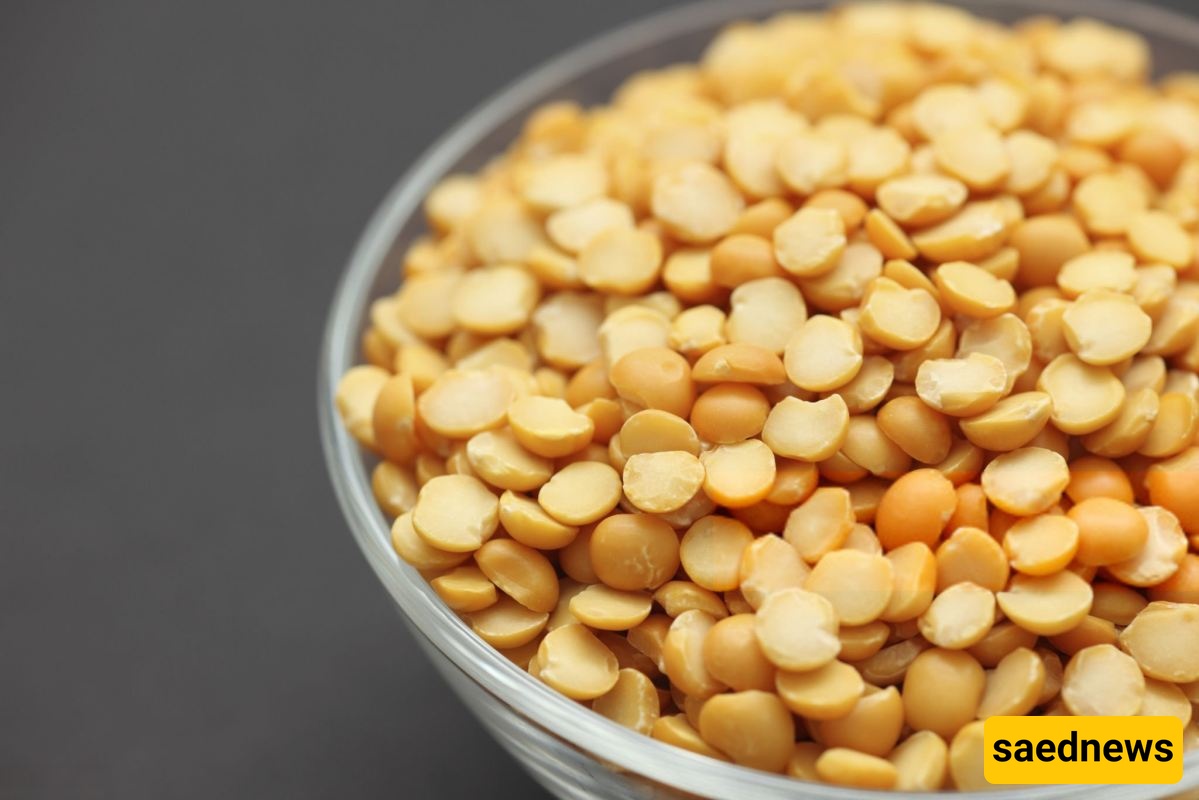
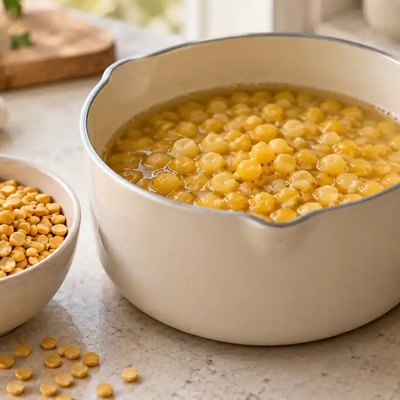
To cook split peas in a regular pot, first wash them thoroughly and remove any stones or impurities. If possible, soak them in lukewarm water for 2–4 hours. Soaking reduces cooking time and helps produce a more even texture.
Place the split peas in a pot with approximately three times their volume of water. Set the pot over medium heat and bring the water to a boil. Skim off any foam that forms on the surface, then reduce the heat. Leave the lid partially open to prevent the water from boiling over.
Avoid adding salt until the final stages of cooking.
Gheimeh stew: Cook soaked split peas for 20–25 minutes until tender but still holding their shape.
Ash (Persian soup): Split peas should become completely tender and slightly mushy. A cooking time of 35–45 minutes is suitable.
Soup: Cooking for 30–35 minutes is usually sufficient.
Meatballs: Cook for 25–30 minutes, depending on the size of the split peas.
Split pea purée: Cook for 40–50 minutes until completely soft.
Important tip: When preparing Gheimeh stew, cook the split peas separately and add them to the stew toward the end of cooking. This prevents them from becoming mushy and keeps the stew's appearance clear and appealing.
A pressure cooker is one of the fastest ways to cook legumes. Split peas require significantly less time in a pressure cooker than in a regular pot. However, care is needed to prevent overcooking.
Wash the split peas and, if desired, soak them for approximately 2 hours. Add the split peas and water to the pressure cooker. The water-to-split-pea ratio should be approximately 2–3 to 1.
Do not fill the pressure cooker more than two-thirds full. Close the lid and place it over high heat until it reaches the required pressure.
Once pressure has built up, reduce the heat and use the following cooking times:
Soaked split peas: 8–12 minutes
Unsoaked split peas: 15–20 minutes
For Gheimeh stew: 8–10 minutes
For Ash: 12–15 minutes
For soup: 10–12 minutes
Once cooking is complete, remove the pressure cooker from the heat and allow the pressure to release naturally. Opening the lid too quickly may cause the split peas to become mushy.
To manage cooking time effectively and achieve the best results, keep the following tips in mind:
Do not add salt too early: Salt can make the outer skins of legumes tougher. Add it during the final 5–10 minutes of cooking.
Add acidic ingredients later: Tomato paste, lemon juice, and tamarind should be added after the split peas have cooked.
Use low to medium heat: Vigorous boiling can cause split peas to break apart and become mushy.
Avoid excessive stirring: Stirring too much in a regular pot can crush the split peas.
Use warm water for soaking: Soaking in warm water can slightly reduce cooking time.
Test for doneness: One of the best ways to check whether split peas are cooked is to press a single pea between your fingers. If it crushes easily, it is ready.
Certain mistakes can negatively affect the cooking process and the final texture of split peas.
Adding salt at the beginning: The split peas may remain firm and take longer to soften.
Cooking over high heat: This can cause the split peas to break apart and become mushy.
Skipping the soaking process: This increases the overall cooking time.
Overcooking in a pressure cooker: The split peas may turn completely mushy and pasty.
Adding tomato paste or lemon juice too early: Acidic ingredients can slow down the softening process.
Using old split peas: Even with extended cooking, old split peas may not develop the desired texture.
Knowing the correct cooking time for split peas is essential for preparing delicious dishes with the right texture. Whether you are making Gheimeh stew, Ash, soup, or split pea purée, choosing the right cooking method and adjusting the cooking time will help you achieve the best results.
For Gheimeh, aim for tender split peas that retain their shape. For soups and Ash, a softer texture is generally preferable. Soaking, controlling the heat, and adding salt and acidic ingredients at the right time are all important factors in achieving perfectly cooked split peas.