SAEDNEWS: If you've ever wondered, “How many grams are in a cup of flour?” while cooking, this guide will help you estimate the weight of flour without using a kitchen scale.
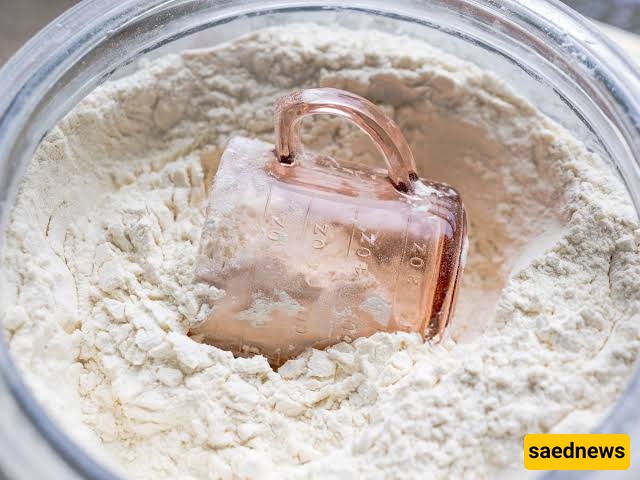
According to Saednews, “How many grams are in one cup of flour?” is one of the most frequently asked questions among home cooks, especially those who are just starting to bake cakes, bread, pastries, and various other dishes.
The short answer is that one standard cup of all-purpose white flour weighs approximately 120–135 grams, depending on the type of flour and how it is measured.
However, there is no single exact measurement that applies to every type of flour and every cup. The type of flour, cup size, whether the flour is sifted or packed, and even humidity can affect its final weight.
In this guide, we will answer the question, “How many grams are in one cup of flour?” and explore cup-to-gram conversion charts, proper flour-measuring techniques, factors that affect flour weight, and useful baking tips. If you want your cakes, bread, and pastries to turn out consistently, this guide is worth reading.
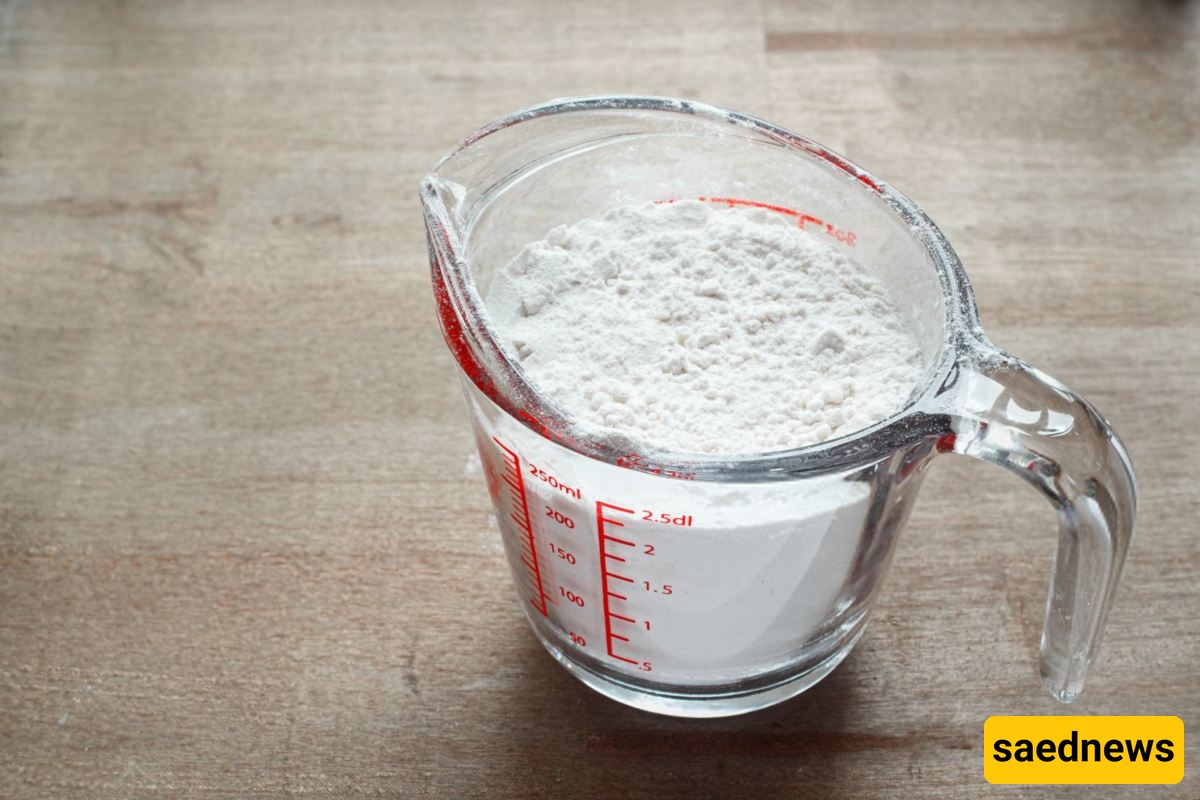
In most recipes, one cup usually refers to a standard 250 ml measuring cup. Based on this measurement, the approximate weights of different types of flour are:
Regular white flour, unsifted: Approximately 125 grams
Sifted white flour: Approximately 110–120 grams
Packed white flour: Approximately 140–150 grams
Bread flour: Approximately 125–135 grams
Cake flour: Approximately 110–120 grams
Whole wheat flour: Approximately 130–145 grams
Therefore, if a recipe calls for one cup of flour, 125 grams is a reliable starting point.
Although using a kitchen scale is always recommended, this measurement can be a useful guide if you do not have one.
Unlike liquids, flour is a lightweight powder with many air pockets between its particles. As a result, the volume of a cup of flour does not always correspond to the same weight.
Several factors contribute to these differences:
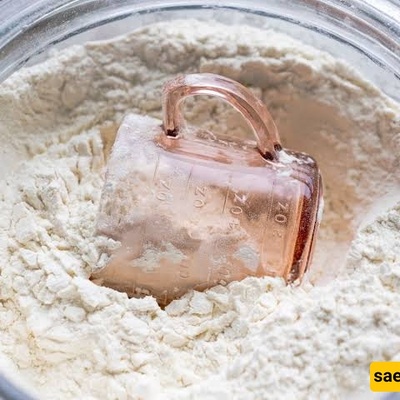
If you spoon flour into a measuring cup and level the surface, the weight will be lower.
However, if you dip the cup directly into a bag of flour and press it down, you will pack more flour into the cup, increasing its weight.
Sifting introduces air between flour particles and increases its volume. Consequently, one cup of sifted flour weighs less than one cup of unsifted flour.
Bread flour, cake flour, whole wheat flour, and rice flour all have different densities.
Whole wheat flour is generally heavier than regular white flour when measured by volume.
Household cups do not all have the same capacity. A small tea cup may hold 200 ml, while a larger handled cup may hold around 300 ml.
Naturally, the weight of flour will vary depending on the cup's capacity.
Flour stored in a humid environment may absorb moisture and become slightly heavier. Old or lumpy flour may also behave differently when measured.
The following table is based on regular white flour measured using the spoon-and-level method. All measurements are approximate. For recipes that require precision, use a kitchen scale.
Amount of Flour | Approximate Weight |
|---|---|
¼ cup | 30–32 g |
⅓ cup | 40–42 g |
½ cup | 60–65 g |
⅔ cup | 80–85 g |
¾ cup | 90–95 g |
1 cup | 120–130 g |
1½ cups | 180–195 g |
2 cups | 240–260 g |
3 cups | 360–390 g |
If your cup holds 200 ml, one cup of flour weighs approximately 95–105 grams.
If you use a 300 ml cup, the flour may weigh as much as 150 grams.
Therefore, it is important to know the approximate capacity of your cup before measuring ingredients.
The approximate density of regular white flour is 0.5 grams per milliliter.
You can use the following formula:
Flour weight (grams) = Cup volume (ml) × 0.5
For example, for a 250 ml cup:
250 × 0.5 = 125 grams
For sifted flour, use a slightly lower factor, while packed flour requires a slightly higher one.
If you do not have a kitchen scale, follow these steps to measure flour as accurately as possible:
Place the flour in a large bowl and gently stir it with a spoon to loosen it and remove compacted areas.
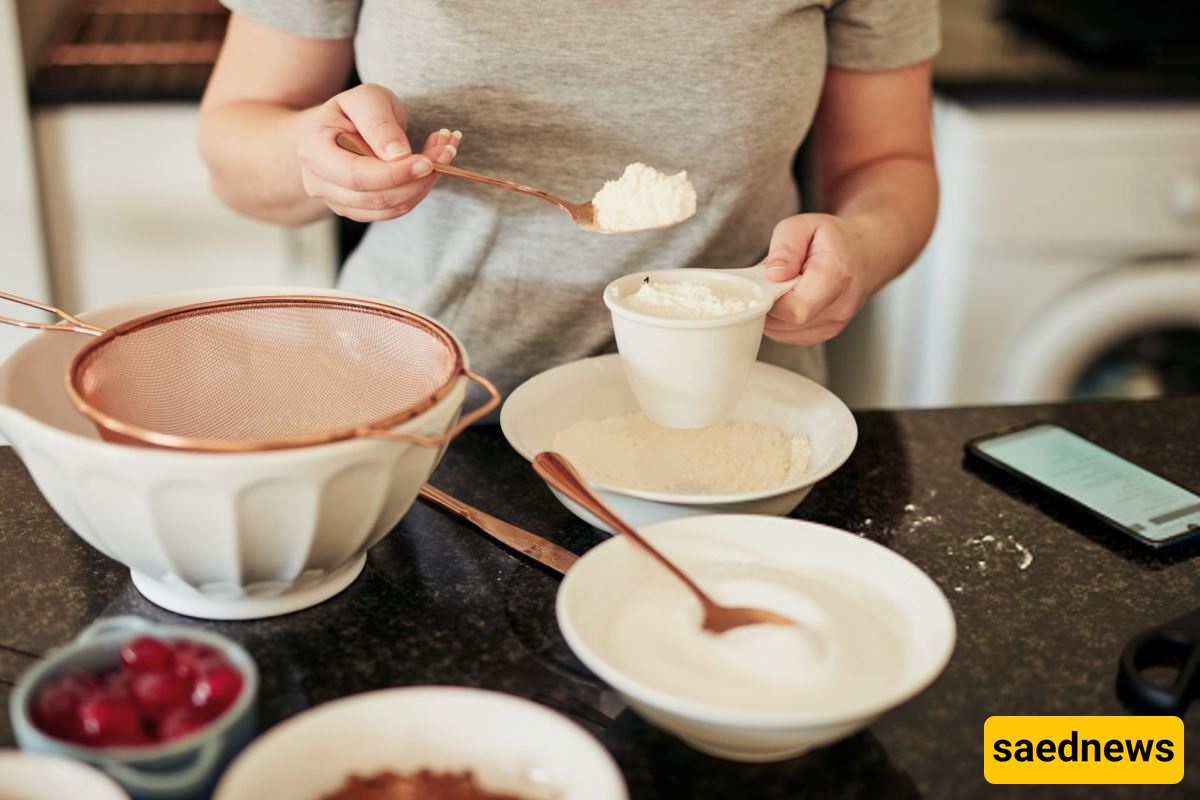
Spoon the flour into your measuring cup. Do not dip the cup directly into the flour bag.
Allow the flour to settle naturally. Do not press it down to fill the cup more quickly.
Use the back of a knife or the straight edge of a spoon to level the flour with the rim of the cup.
If the recipe instructs you to sift the flour, sift it before measuring. Keep in mind that its weight per cup will be lower.
Approximately 120–130 grams per 250 ml cup.
This is the most commonly used flour for simple cakes, homemade bread, and many everyday dishes.
Approximately 125–135 grams.
Bread flour is generally slightly denser than cake flour and is particularly suitable for yeast-based doughs.
Approximately 110–120 grams.
Cake flour is lighter than regular flour. For delicate baking recipes, measuring it with a kitchen scale is especially important.
Approximately 130–145 grams.
The bran content adds weight, which means the same volume may weigh more than regular white flour.
Approximately 140–155 grams, depending on the type and fineness of the grind.
Rice flour is generally heavier than wheat flour and is commonly used in gluten-free baking.
In everyday cooking, a difference of 10–20 grams of flour may not cause a major problem. However, in professional baking and bread making, even this small difference can affect the final texture.
A cake may become dry, bread may fail to rise properly, or pastries may lose their desired consistency.
For this reason, many professional chefs recommend measuring dry ingredients, especially flour, with a digital kitchen scale.
A kitchen scale is a small but extremely useful tool. It eliminates the need to worry about differences in cup sizes, sifting, or flour compression.
If you do not already own one, consider purchasing an inexpensive digital scale, particularly if you frequently prepare delicate recipes such as cakes, macarons, bread, and pastries.
Avoid these common mistakes to achieve more accurate measurements:
Packing flour into the cup: This can increase the flour's weight by up to 20%.
Using unstandardized cups: Tea cups and large handled cups do not have the same capacity.
Sifting unnecessarily or failing to sift when required: Always follow the recipe's instructions, as sifting can affect the volume and weight.
Measuring damp flour: Moist flour weighs more and may affect the final result.
Failing to level the flour: Excess flour above the rim can result in an inaccurate measurement.
As a general rule, one standard 250 ml cup of regular white flour weighs approximately 125 grams.
However, the exact weight depends on the flour type, cup capacity, and measuring method.

For the most reliable baking results, use a digital kitchen scale whenever possible. If you do not have one, use the spoon-and-level method and remember that 125 grams is a good reference for one standard cup of regular white flour.