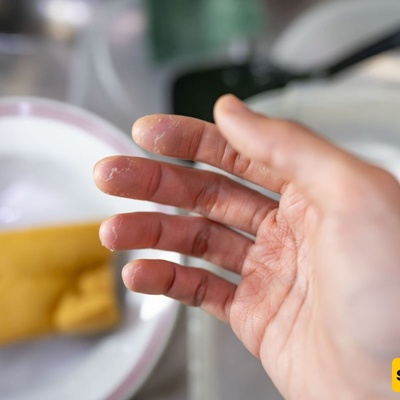
SAEDNEWS: Dry hands after washing dishes are a common and uncomfortable problem in everyday life. Many people notice that after just a few minutes of washing dishes, their hands feel tight, rough, or even cracked.
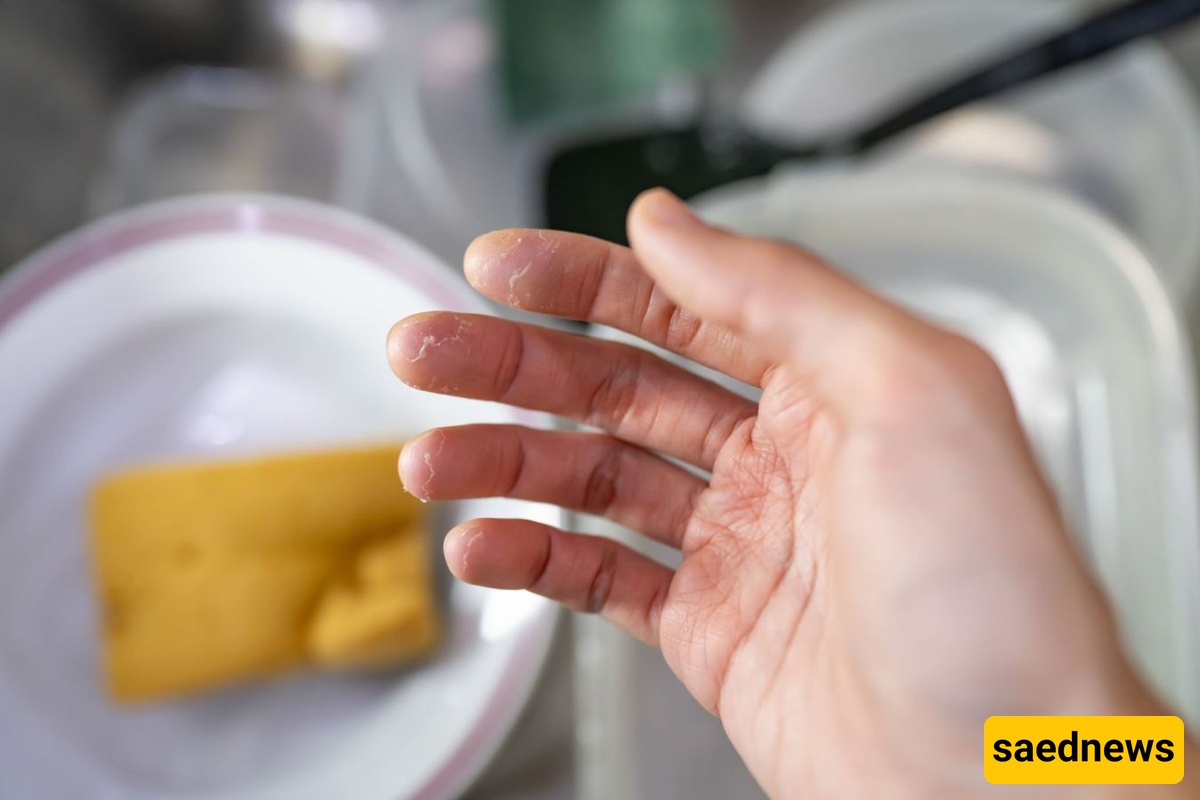
According to Saednews, Dry hands after washing dishes are a common and uncomfortable problem in everyday life. Many people notice that after just a few minutes of washing dishes, their hands feel tight, rough, or even cracked. This problem is more common during cold weather, among people with sensitive skin, and in those who wash dishes several times a day.
Dry hands after washing dishes are usually a sign of temporary damage to the skin's protective barrier. However, if left untreated, the condition can lead to redness, itching, cracking, inflammation, and, in more severe cases, contact dermatitis.
Hot water and dishwashing detergents remove the skin's natural oils. The skin on our hands has a natural protective layer of oils that acts as a barrier. When this layer is stripped away by harsh detergents or hot water, moisture evaporates more quickly, resulting in dryness.
Dishwashing detergents contain surfactants. These substances are essential for removing food grease, but repeated contact with the skin can cause irritation. People who wash dishes without wearing gloves are more likely to experience dry hands after washing dishes.
Keeping your hands in water for extended periods, even at normal temperatures, causes the outer layer of the skin to soften and swell. Once the skin dries, it may feel tight and dry. If this cycle is repeated several times a day, hand dryness can become worse.

Some people naturally have drier skin than others. Conditions such as eczema, contact dermatitis, psoriasis, and skin allergies can also make dryness after washing dishes more severe. In these cases, even mild detergents may trigger symptoms.
Dry hands after washing dishes can cause several symptoms. The most common include:
A feeling of tightness and stiffness in the skin
Roughness and mild flaking
Redness and burning sensations
Itching, especially after drying the hands
Small cracks in the skin
Thickened skin around the fingers
Increased sensitivity to water and detergents
If these symptoms are severe or persistent, the skin may have developed more significant inflammation. In such cases, consulting a dermatologist for a proper evaluation is recommended.
The most important way to prevent dry hands after washing dishes is to wear gloves. Rubber gloves or specially designed dishwashing gloves prevent direct contact between the skin, detergents, and hot water.
You can also wear thin cotton gloves underneath rubber gloves to reduce sweating and minimize skin irritation.
Strongly scented detergents and harsh cleaning products can further irritate the skin. Gentle detergents that are fragrance-free and dye-free are more suitable for people with sensitive skin.
Also, avoid using excessive amounts of detergent on your sponge.
Hot water removes the skin's natural oils more quickly. Using lukewarm water instead of hot water is one of the easiest ways to reduce hand dryness after washing dishes.
Try to minimize the amount of time you spend washing dishes. Soak dishes beforehand and wash them efficiently. This not only saves water but also reduces your skin's exposure to water and detergents.
After washing, gently pat your hands dry with a soft towel. Rubbing the skin too hard can cause further damage to its protective barrier.
Use a clean personal hand towel and replace it every few days.
Apply a moisturizing cream or ointment immediately after drying your hands. This helps lock in moisture and prevent dryness after washing dishes.
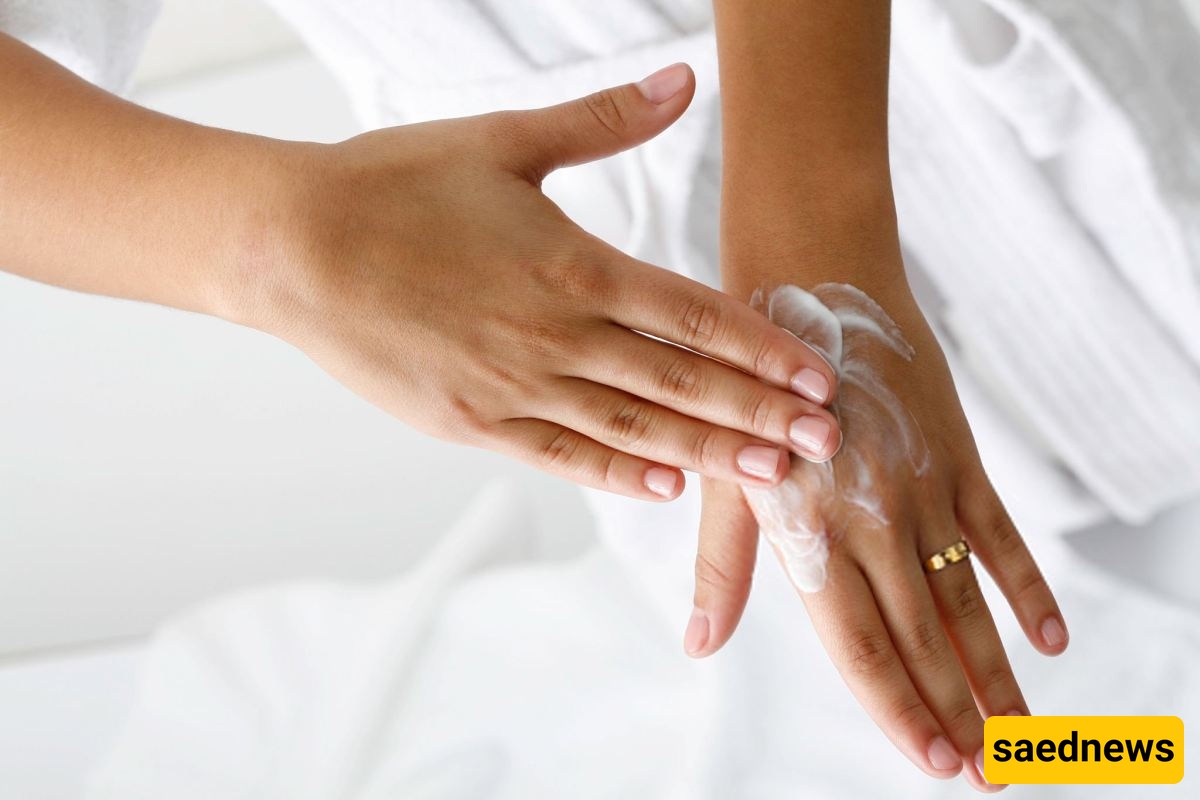
Hand creams containing glycerin, urea, ceramides, petroleum jelly, or plant-based oils can help relieve dry skin.
Fragrance-free creams designed for sensitive skin are generally a better choice. For severe dryness, thicker and more oil-based ointments are often more effective.
Dry hands after washing dishes cannot always be treated with a single application of moisturizer.
It is best to moisturize your hands after every wash and again before going to bed. During cold weather, you may need to apply hand cream more frequently.
Harsh detergents, industrial cleaners, alcohol-based products, and strongly scented soaps can make dry hand skin worse.
Whenever possible, choose gentle products specifically formulated for sensitive skin.
For mild hand dryness, applying a lukewarm compress followed by a thick moisturizer may help.
You can also wear cotton gloves overnight after applying moisturizing cream to help retain skin moisture.
Avoid irritating home remedies and untested products.
If your hands have become severely dry after washing dishes, consider asking someone else to handle the dishes until your skin improves, or make sure to wear protective gloves.
Frequent handwashing with harsh soaps can also worsen the condition.
One of the most common mistakes is using hot water to wash dishes. Although many people believe hot water cleans dishes more effectively, it can be harmful to the skin on your hands.
Another common mistake is applying hand cream only when the skin becomes extremely dry. Regular moisturizing is important because it also helps prevent dryness.
Some people wear gloves but keep them on for long periods without drying their hands. Trapped moisture inside gloves can irritate the skin.
Therefore, make sure your hands are completely dry before putting on gloves, and keep your gloves clean and dry after use.
If dry hands after washing dishes are accompanied by deep cracks, pain, bleeding, severe redness, swelling, or persistent itching, you should consult a doctor.
You should also seek medical advice if symptoms do not improve with home care or repeatedly return.
A dermatologist may examine your skin for conditions such as eczema or contact dermatitis and recommend appropriate treatment.
Dry hands after washing dishes are usually caused by repeated exposure to water, hot temperatures, and dishwashing detergents that strip away the skin's natural protective oils.
Fortunately, this problem can often be prevented and managed through simple daily habits. Wearing protective gloves, choosing gentle detergents, using lukewarm water, drying your hands gently, and applying moisturizer regularly can help maintain healthy, soft hands.
If dryness becomes severe, painful, or persistent, consult a dermatologist to identify the underlying cause and receive appropriate treatment.