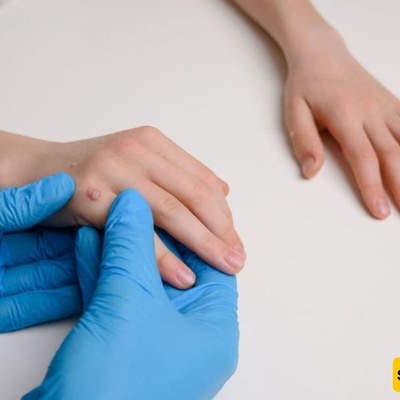
Saednews: This article thoroughly examines why and how the HPV virus causes warts, the factors that increase the risk of infection, and how to prevent them.
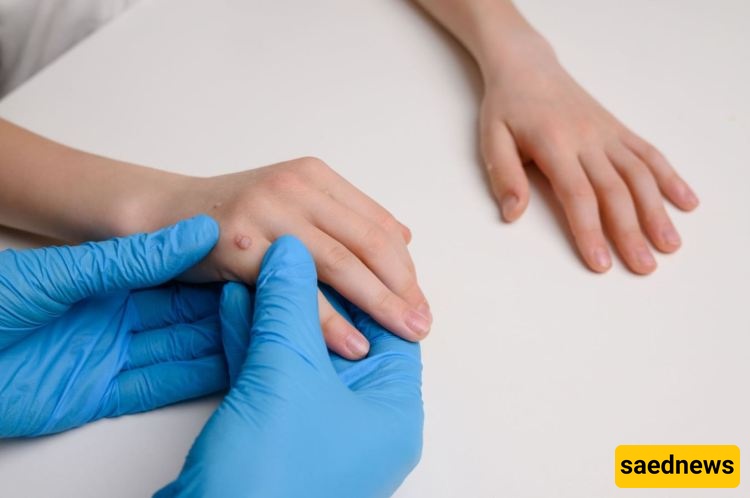
According to Saednews, Skin warts are among the most common skin conditions, affecting many people at some point in their lives. These growths usually appear as small, rough or smooth bumps on the skin and can develop on the hands, feet, face, neck, and other areas of the body.
One of the most common questions people ask is: “What causes skin warts?” The short answer is that skin warts are primarily caused by an infection with the human papillomavirus (HPV).
However, understanding the condition requires knowing how the virus enters the skin, which factors increase the risk of infection, and why some people are more susceptible than others.
Skin warts are viral and contagious, but being contagious does not mean that infection is inevitable after every contact. Many people come into contact with the virus, but their immune systems successfully control the infection without allowing visible warts to develop.
Therefore, skin warts are not caused by a single factor. The virus, immune system function, skin barrier health, and environmental conditions all contribute to their development.
This article explores the causes of skin warts, transmission methods, risk factors, different types of warts, and effective prevention strategies.
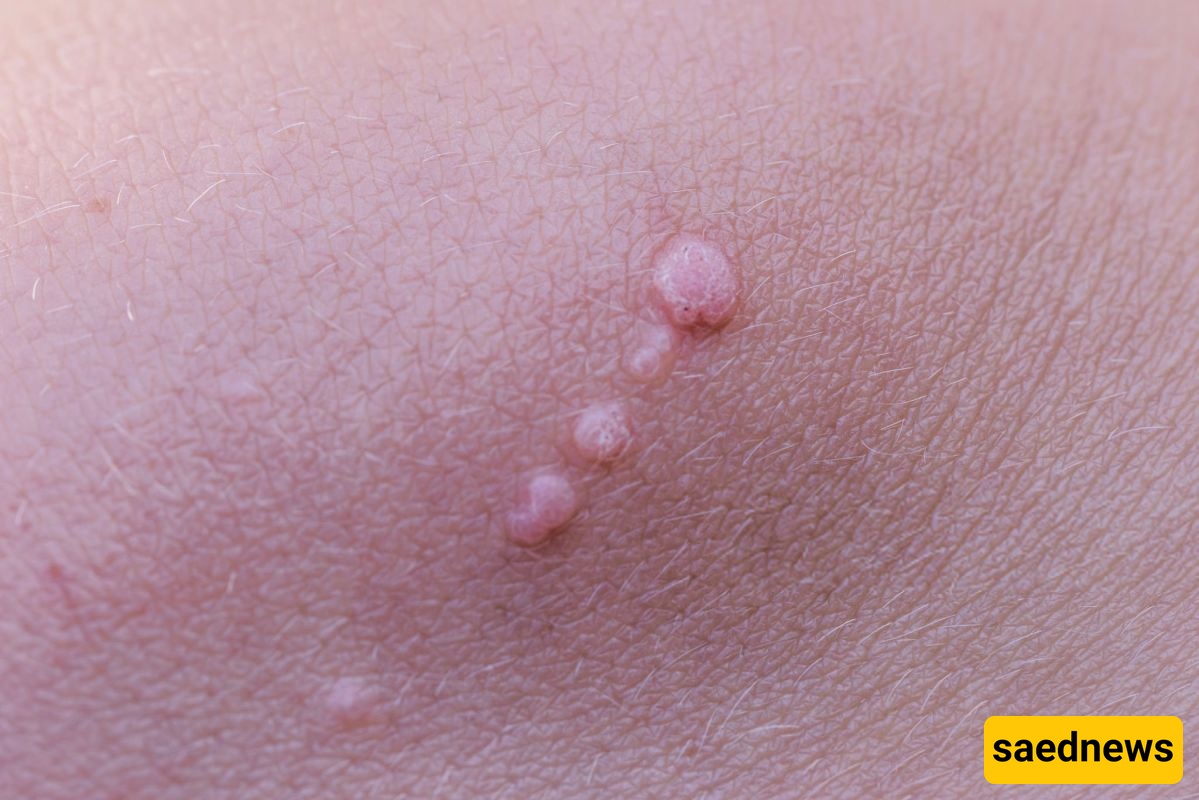
Skin warts are benign growths of skin cells caused by infection with certain types of the human papillomavirus (HPV).
HPV is a large family of viruses containing more than 100 different types. Some types cause common skin warts, while others are associated with genital warts or certain cancers.
It is important to understand that common skin warts and genital warts are not the same condition, and the HPV types responsible for them are generally different.
The primary cause of skin warts is the entry of HPV into the upper layers of the skin. The virus infects epidermal cells, causing them to multiply in an uncontrolled but benign manner.
As a result, warts typically appear as raised bumps on the skin.
Ordinary skin warts are generally harmless, but they can be cosmetically bothersome, cause discomfort or pain, and spread to other areas of the body.
HPV generally needs an entry point to infect the skin. This usually occurs through microscopic breaks in the skin's surface, which may be so small that they go unnoticed.
Factors that make it easier for the virus to enter include:
Small cuts and scratches.
Cracked or damaged skin.
Skin irritation caused by shaving.
Nail biting.
Calluses.
Repeated friction against the skin.
This explains why warts are more common in certain areas of the body.
For example, warts around the fingernails are more common among people who bite their nails or pick at the surrounding skin.
Plantar warts, which develop on the soles of the feet, are also more common in people whose feet experience excessive sweating, cracking, or repeated pressure.
Therefore, exposure to HPV alone is not always enough to cause a wart. Skin damage and favorable environmental conditions can increase the likelihood of infection.
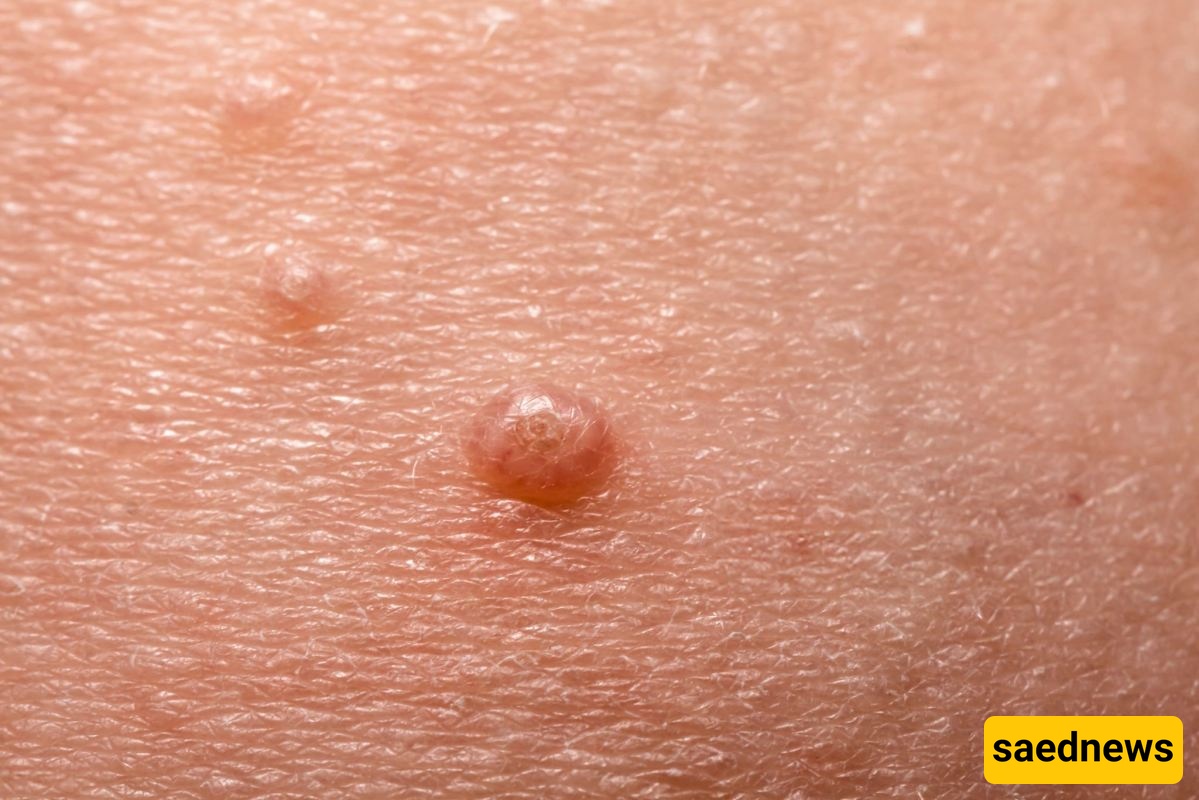
The most common route of transmission for skin-related HPV is direct contact with the skin of someone who has a wart.
This may occur through:
Handshakes.
Touching an existing wart.
Children playing together.
Everyday physical contact.
However, not every instance of contact results in infection. Repeated and prolonged close contact can increase the likelihood of transmission.
Indirect transmission through contaminated objects is also possible.
Items that may contribute to transmission include:
Towels.
Socks.
Shoes.
Slippers.
Bathing equipment.
Toys.
Contaminated damp surfaces.
This possibility is particularly relevant in warm, moist public environments, such as swimming pools, public showers, and changing rooms.
However, indirect transmission is not as straightforward as direct skin contact, and other contributing factors also play a role.
One important way warts spread is through a process called autoinoculation, which occurs when a person transfers the virus from an infected area to another part of their own body.
Scratching, picking, or shaving over a wart can spread the virus to nearby areas of skin.
For this reason, dermatologists recommend avoiding picking, scratching, or shaving over warts and avoiding shared personal grooming tools.
This is particularly important for people who frequently bite their nails or pick at their skin.
HPV is not the only factor responsible for skin warts. The immune system also plays an important role.
People with weakened immune systems are more likely to develop warts and experience their spread.
Certain immunosuppressive medications, underlying medical conditions, chemotherapy, and other conditions that reduce the body's immune defenses can increase the likelihood of developing persistent warts.
However, people with healthy immune systems can also develop warts.
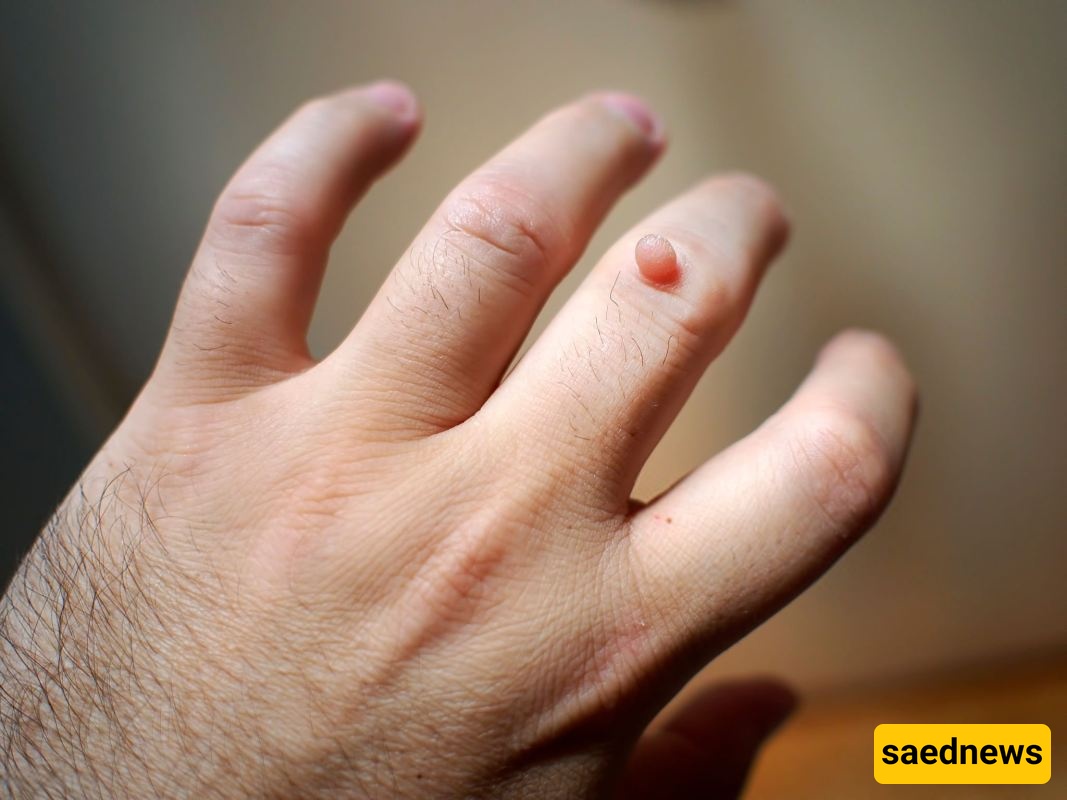
Anything that weakens the skin's protective barrier can make it easier for HPV to enter.
Contributing factors include:
Severely dry skin.
Cracked heels.
Scratches and minor injuries.
Shaving with a razor.
Nail biting.
Repeated pressure or friction on the skin.
Maintaining healthy skin and treating cracks and minor wounds can help reduce the risk of developing skin warts.
Warm and humid environments may create more favorable conditions for viral transmission and persistence.
Excessive foot sweating, wearing tight shoes, and using damp socks can increase the likelihood of developing plantar warts.
For this reason, it is recommended to:
Keep the skin dry.
Change socks regularly.
Wear properly fitting shoes.
Skin warts are more common among children, teenagers, and young adults.
This may be related to social interactions, increased physical contact at school, playing sports, and the development of the immune system.
However, warts are also common in adults, and age alone does not determine whether someone will develop them.
Some occupations involving frequent contact with meat or consistently damp environments may be associated with a higher occurrence of certain types of warts.
People who frequently keep their hands in water or experience repeated skin irritation and friction may also be more susceptible.
These factors can increase susceptibility when combined with HPV exposure and individual immune system differences.
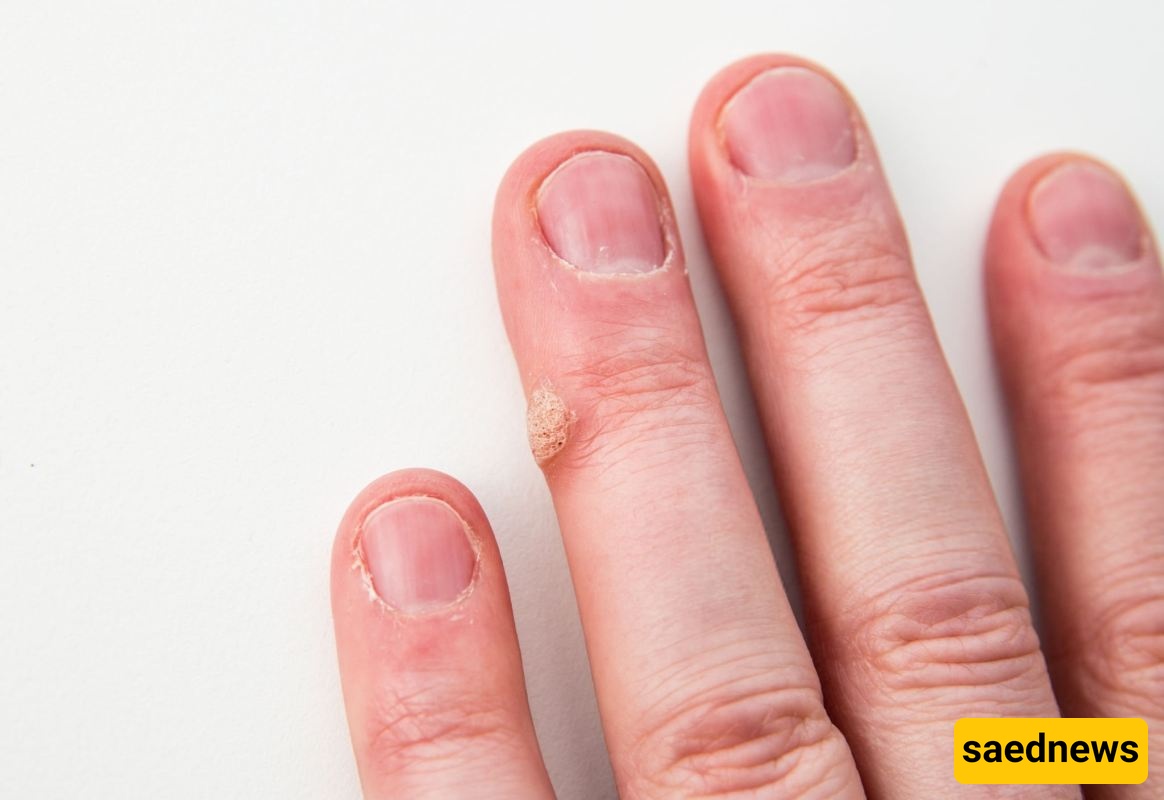
Skin warts come in several different forms.
Common warts: Usually appear on the hands and fingers.
Plantar warts: Develop on the soles of the feet and may cause pain or pressure when walking.
Flat warts: Usually small and slightly raised, commonly appearing on the face and backs of the hands.
Filiform warts: Thin, thread-like growths that typically develop on the face and neck.
Periungual warts: Develop around the fingernails or toenails.
Each type is associated with certain HPV strains.
However, identifying the exact HPV type is generally unnecessary for ordinary skin warts, except in specific circumstances. The appearance of the lesion, the patient's medical history, and a doctor's assessment are usually more important.
Genital warts are caused by different types of HPV and differ from common skin warts in their transmission routes and medical significance.
Skin warts are usually diagnosed through a physical examination, and most cases do not require complicated laboratory tests.
However, medical evaluation is important in the following situations:
A growth that increases in size rapidly, changes color, or develops an irregular shape.
A wart that bleeds, causes pain, or does not improve after home treatment.
Multiple or widespread lesions that spread rapidly across the body.
Warts in sensitive areas, such as the face, around the eyes, near the nails, or in the genital region.
Warts in people with weakened immune systems or those taking immunosuppressive medications.
Skin lesions that may be confused with corns, calluses, moles, or more serious skin conditions.
In these situations, a doctor may examine the lesion and recommend additional investigations if necessary.
Distinguishing warts from corns and calluses is important because each condition requires a different treatment approach.
Since skin warts are caused by a viral infection, prevention focuses on reducing exposure to the virus and maintaining a healthy skin barrier.
Recommended preventive measures include:
Avoid direct contact with other people's warts. Do not pick, scratch, or shave over your own warts.
Avoid sharing personal items such as towels, socks, shoes, slippers, and nail clippers.
Wear appropriate footwear in public swimming pools, showers, and changing rooms.
Keep the skin on your hands and feet moisturized and healthy, and treat skin cracks.
Avoid biting your nails or picking at the skin around them.
Wash your hands with soap and water after touching a wart.
If your feet sweat excessively, change your socks regularly and keep your shoes dry.
Teach children basic hygiene practices and discourage them from picking at skin lesions.
Many skin warts may disappear naturally without treatment. However, this process can take months or even years, during which the virus may spread to other people or other areas of the body.
Therefore, early treatment and consultation with a healthcare professional may be beneficial.
Treatment depends on the type, location, and severity of the wart.
Common treatment options include:
These include solutions containing salicylic acid, which gradually break down the thickened layers of skin.
They are commonly used for ordinary warts and plantar warts.
Cryotherapy involves applying extremely cold temperatures to destroy wart tissue.
This procedure is generally performed in a doctor's office.
Certain prescription topical medications or treatments that stimulate the immune system may be recommended for persistent or resistant warts.
These approaches may be considered for large, recurring, or treatment-resistant warts.
Some simple and low-risk home treatments may be helpful alongside medical advice.
It is important to avoid using sharp objects, cutting, or burning warts at home. These practices can cause infections, wounds, scarring, and further spread of the virus.
Topical medications should also be used carefully and according to instructions, particularly in children, during pregnancy, and on sensitive areas of the skin.
Skin warts are primarily caused by infection with certain types of human papillomavirus (HPV). The virus enters the skin through tiny cuts or breaks and triggers the excessive growth of skin cells, resulting in benign skin lesions.
The virus can spread through direct skin-to-skin contact, contaminated objects, or from one area of the body to another.
Although HPV exposure is the main cause, factors such as weakened immunity, damaged skin, excessive moisture, and certain everyday habits can increase the risk of developing warts.
Maintaining good skin hygiene, avoiding direct contact with warts, protecting damaged skin, and seeking medical advice when necessary can help prevent and manage this common skin condition.